

Basketball-Drills: Ein kompletter Leitfaden für Training auf Höchstniveau
In diesem Leitfaden behandeln wir:
- Grundlegende Basketball-Drills für alle Leistungsstufen
- Drills, mit denen Basketball-Anfänger Selbstvertrauen und Koordination aufbauen
- Fähigkeitsbasierte Drills, die Wurf, Bewegung und Entscheidungsfindung verbessern
- Kondition- und Ausdauer-Drills, die sich auf die echte Spielleistung übertragen
- Wie Basketball und Drills zusammenwirken, um die langfristige Spielerentwicklung zu unterstützen
Ob Anfänger oder Spitzensportler – beim Basketballtraining geht es um mehr als nur ums Spielen von Pick-up-Games. Um das Feld zu dominieren, brauchst du defensive Schnelligkeit, offensive Präzision und die Ausdauer, um alle vier Viertel durchzuhalten.
Dieser Leitfaden vereint die besten Basketball-Drills, Verteidigungsübungen und Trainingsroutinen, die Agilität, Wurf und Ausdauer verbessern.
Basketball-Drills sind strukturierte Trainingsübungen, die Spielsituationen nachstellen, die Entscheidungsfindung verbessern und die Fähigkeitsentwicklung beschleunigen.

Warum Basketball-Drills & Training wichtig sind
Die besten Spieler der Welt verlassen sich nicht nur auf Talent, sondern auf Wiederholung, Disziplin und Struktur. Wie der legendäre Trainer John Wooden sagte:
„Es sind die kleinen Details, die entscheidend sind. Kleine Dinge lassen Großes geschehen.“
Basketball-Drills und -Training helfen Sportlern, genau diese Details aufzubauen und Beinarbeit, Entscheidungsfindung, Reaktionszeit und Selbstvertrauen zu verbessern. Ob du deinen Wurf schärfst, deine Defensiv-Slides verbesserst oder deine Sprunghöhe steigerst – strukturiertes Üben ist die Grundlage des Fortschritts.
Basketball-Drills für Defensivsituationen
Einige Basketball-Drills konzentrieren sich auf Defensivsituationen wie Closeouts, Lateralbewegung und Antizipation.
1. Closeout-Drill
Fokus: Defensive Positionierung und Reaktionszeit.
Wie: Die Spieler sprinten auf einen Werfer zu, trippeln mit den Füßen und stören den Wurf, ohne zu foulen.
2. Spiegel-Drill
Fokus: Laterale Schnelligkeit und Defensiv-Slides.
Wie: Der Verteidiger spiegelt die Bewegungen des Angreifers über das halbe Feld.
Zusatzressource: How to Do the Mirror Drill
3. Deflection-Drill
Fokus: Aktive Hände, Antizipation, Balldruck.
Wie: Die Spieler arbeiten daran, Pässe abzufälschen und dabei ihre Position zu halten.
NBA-Legende Scottie Pippen sagte einst:
„Verteidigung ist eine Frage des Einsatzes. Du musst nicht der Schnellste oder Stärkste sein – nur der Entschlossenste.“
(Für noch mehr Drills schau dir Breakthrough Basketballs 7 beste Verteidigungs-Drills an).
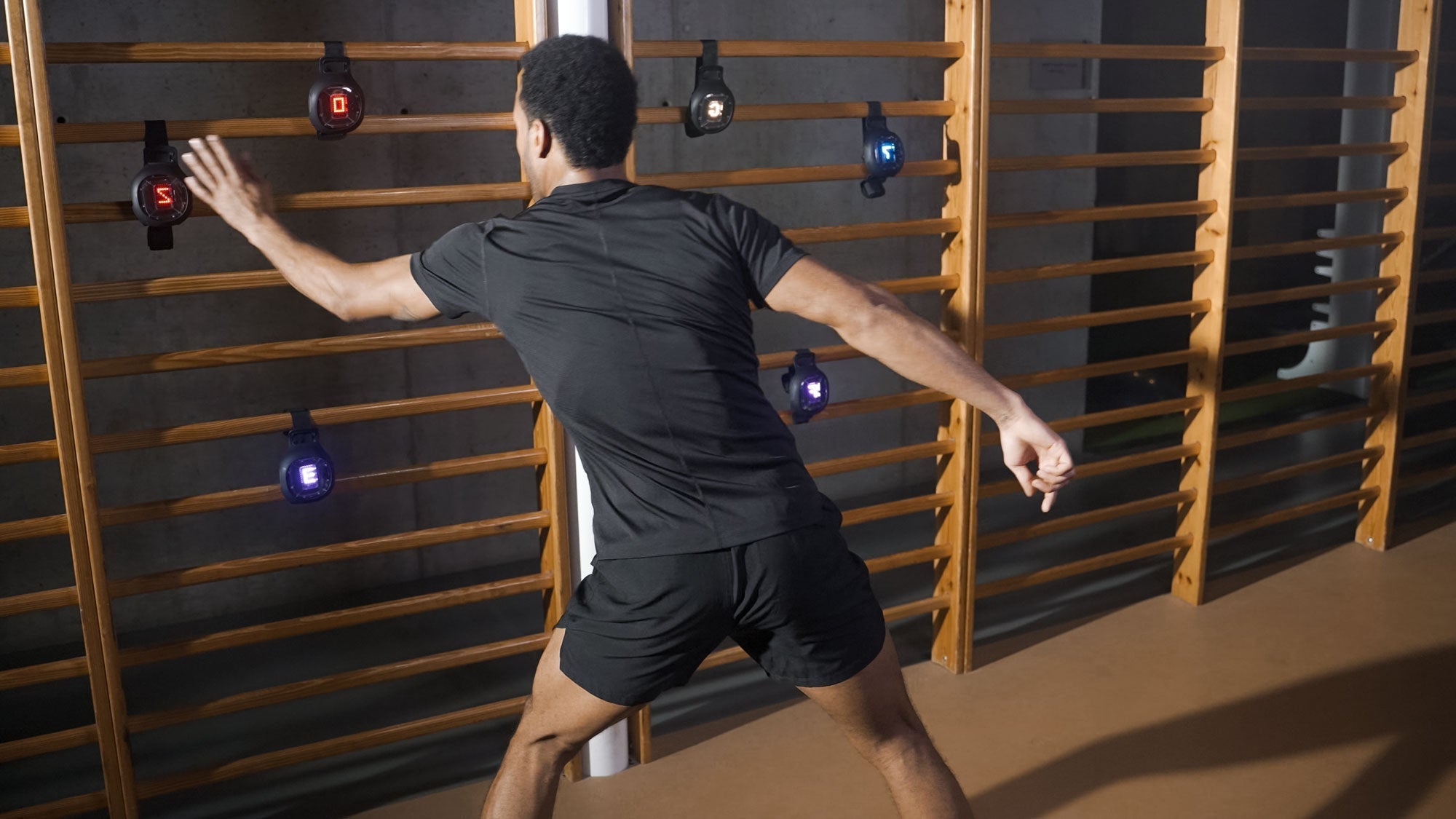
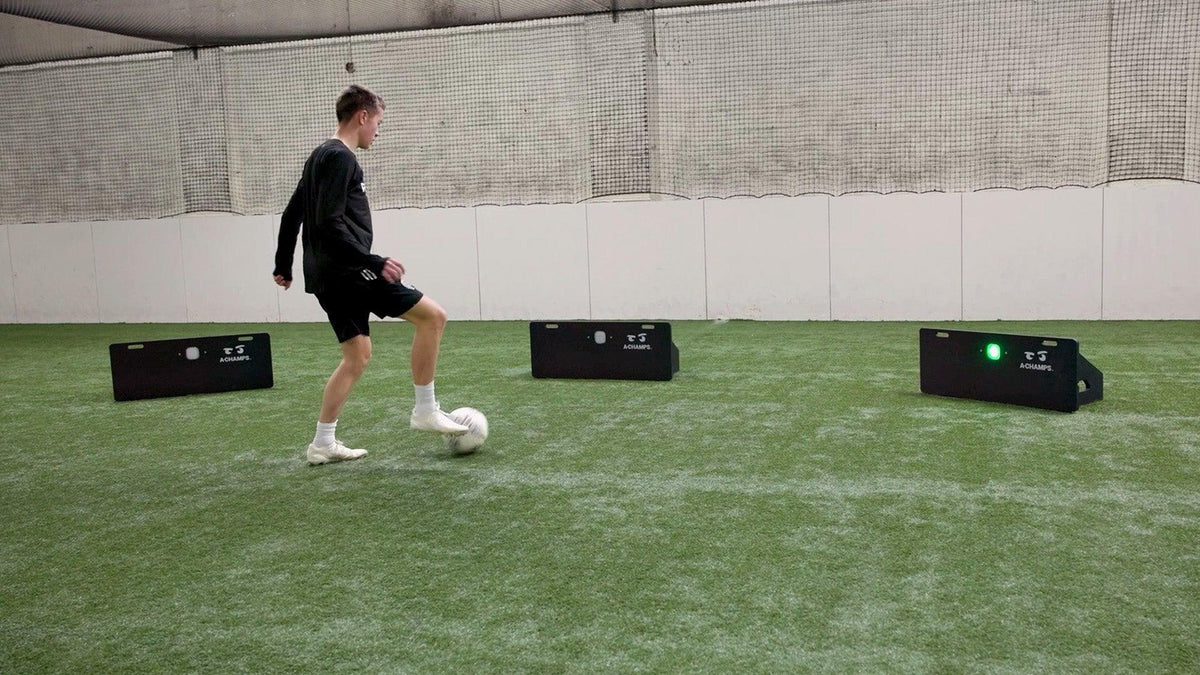
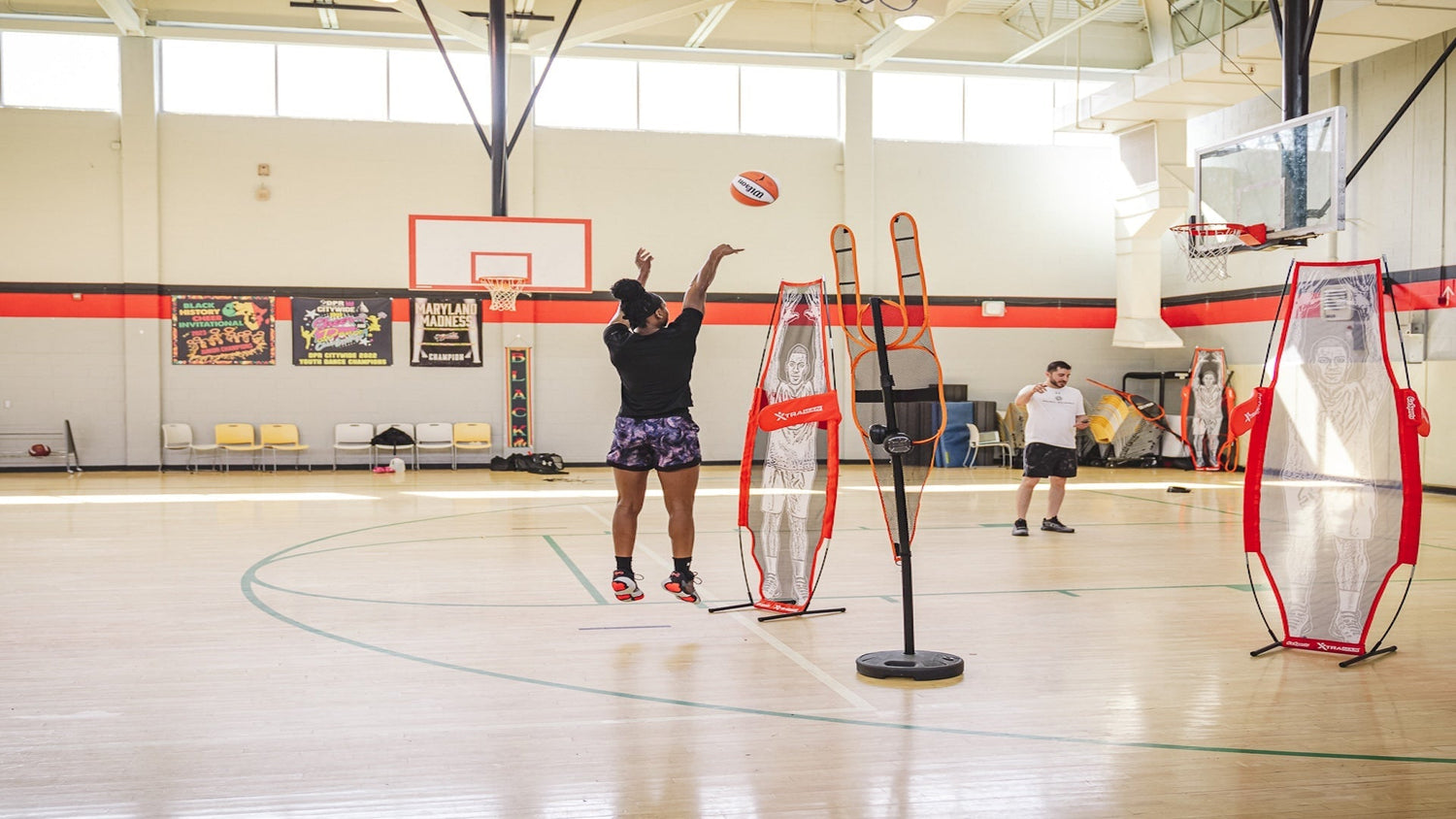
Mach jeden Drill spielähnlich. Der ROXProX ergänzt Verteidigungs-, Wurf- und Transition-Arbeit um Reaktionslichter und unvorhersehbare Signale, damit Spieler im Spieltempo lesen und reagieren.
Entdecke das gesamte Sortiment an Basketball-Trainingsequipment, um dein Training auf das nächste Level zu bringen.
Offensiv-Drills
Großartige Offensive verbindet Wurf, Spacing und Ballbewegung. Diese Offensiv-Drills schärfen Entscheidungsfindung und Genauigkeit.
1. Spot-Up-Wurf-Drill
Wie: Wirf von fünf Perimeter-Positionen und zähle Treffer und Fehlwürfe.
2. Pick-and-Roll-Entscheidungs-Drill
Wie: Zwei Spieler üben Blocks und schnelle Reads (werfen, ziehen oder passen).
3. Transition-Offense-Drill
Wie: Spiele 3-gegen-2- oder 2-gegen-1-Fastbreaks, um Spacing und Passspiel zu verbessern.
Coaching-Einblick: Online Basketball Drills zur Transition Offense.
Steph Curry über das Training:
„Ich versuche, das Training so spielnah wie möglich zu gestalten. So fühlt es sich im Spiel an wie zweite Natur.“
Ausdauer- & Konditionsübungen
Ausdauer trennt die großartigen Spieler von den guten.
1. Suicide-Sprints
Fokus: Vollfeld-Schnelligkeit und Ausdauer.
Wie: Sprinte zu jeder Linie (Freiwurflinie, Mittellinie, gegenüberliegende Freiwurflinie, Grundlinie) und zurück (für visuelle Lerntypen: Suicide Sprints)
2. Sprungtraining & Plyometrie
Fokus: Vertikale Sprunghöhe und Explosivität. Wie: Führe explosive Bewegungen wie Squat Jumps oder Box Jumps mit kurzen Pausen aus und achte auf maximale Power und korrekte Landetechnik.
Typische vertikale Sprunghöhe:
- Freizeit: 20–28 Zoll
- Wettkampf: 28–34 Zoll
- Elite-NBA-Athleten: 36+ Zoll
Mehr Infos, wie du deine Sprunghöhe steigerst, findest du hier
Vince Carter erzählte einmal:
„Deine Beine sind dein Fundament. Wenn du dich nicht um sie kümmerst, kannst du nicht fliegen.“
3. Agility-Ladder-Drill
Fokus: Beinarbeit, Koordination, Ausdauer. Wie: Bewege dich mit schnellen, kontrollierten Fußmustern durch die Leiter, halte die Hüfte tief und den Blick nach vorn, während du Rhythmus und Balance hältst.
Bring dein Training aufs nächste Level
Willst du deine Drills spielähnlicher und unvorhersehbarer machen? Entdecke A-Champs Basketball-Trainingstools, die Reaktionslichter und agilitätsfokussierte Signale einbinden, um Verteidigungsdruck und schnellere Reads zu simulieren. In Wurf-, Transition- und Bewegungs-Drills integriert, erhöhen sie die Intensität und halten den Fokus auf der Fähigkeitsausführung.
Glossar der Schlüsselbegriffe
Basketball-Drills – Wiederholende Übungen, die Fähigkeiten wie Dribbling, Wurf und Verteidigung verbessern.
Defensiv-fokussierte Drills – Training mit Fokus auf Beinarbeit, Positionierung und das Stoppen von Gegnern.
Basketball-Drills und -Training – Umfassende Routinen, die Offensiv-, Defensiv- und Ausdauerübungen kombinieren.
Trainingstools – Hilfsmittel wie ROX Pods, Agility-Leitern und Widerstandsbänder, die das Training verbessern.
Typische vertikale Sprunghöhe – Durchschnittlicher Sprung für Basketballspieler (20–28 Zoll Freizeit, 28–34 Zoll Wettkampf).
Basketball-Workout-Übungen – Konditionsroutinen (Plyometrie, Sprints, Krafttraining), die die Spielleistung verbessern.
FAQs zu Basketball-Drills und Training
F: Was sind die besten Basketball-Drills für Anfänger?
A: Beginne mit Dribbling-Drills, Layup-Lines und Closeout-Defense-Drills, um die Grundlagen aufzubauen.
F: Wie kann ich meine Basketball-Verteidigung verbessern?
A: Übe Spiegel-Drills, Deflections und reaktionsbasiertes Training mit Tools wie dem ROXProX.
F: Was ist eine typische vertikale Sprunghöhe für Basketballspieler?
A: Freizeitspieler: 20–28 Zoll, Wettkampfsportler: 28–34 Zoll, NBA-Profis: oft 36+ Zoll.
F: Welche Tools machen das Basketballtraining effektiver?
A: Smarte Tools wie das A-Champs ROX System ergänzen jeden Drill um Reaktionslichter und Unvorhersehbarkeit.
F: Wie oft sollte ich Basketball-Drills machen?
A: Für stetige Fortschritte solltest du 3–5 Einheiten pro Woche anstreben und Offensive, Defensive und Kondition mischen.
Bring dein Training weiter voran
Bereit, diese Drills in die Tat umzusetzen? Hebe deine Workouts mit dem A-Champs ROXPro auf ein neues Level, gebaut, um Reaktionsgeschwindigkeit, Entscheidungsfindung und Agilität zu schärfen.
Willst du mehr Tipps, Drills und Trainingseinblicke direkt in dein Postfach? Melde dich für den A-Champs Newsletter an und bleib dem Spiel einen Schritt voraus.
Weiterführende Lektüre: Kompletter Leitfaden zu Basketballpositionen, Basketball-Dribbling-Drills und Basketball-Drills für Anfänger.