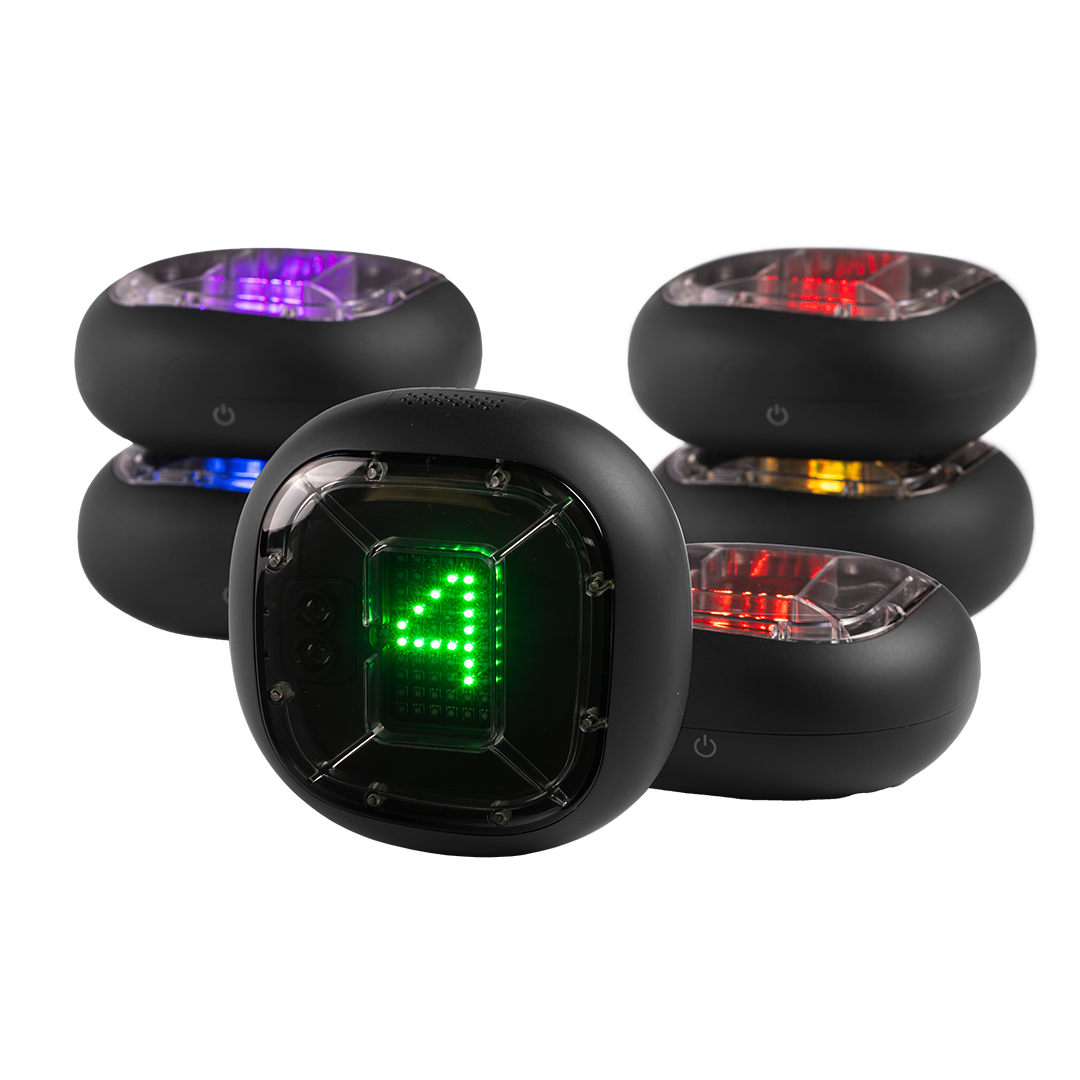

Speed & Movement Measurement

Measure Speed. Train Performance.

Use ROXProX Laser for sprint timing. Add randomized cues, reactive starts, and movement-based training when you want to go further.

Measurement first

Traditional Speed Measurement. And More.

Measure straight sprints, flying sprints, acceleration, split times, and timed movement drills. Then add randomized visual or auditory cues, decision-making, and reactive movement with the same system.

  1. Measure
  2. Add cues
  3. Add movement variability

Traditional Measurement

  • Straight sprints
  • Flying sprints
  • Acceleration
  • Split timing
  • Timed movement drills

Go Further

  • Randomized cues
  • Reactive movement
  • Decision-based tasks
  • Professional Cognitive-Motor Training applications
Explore ROXProX Laser
Setup

Faster Setup

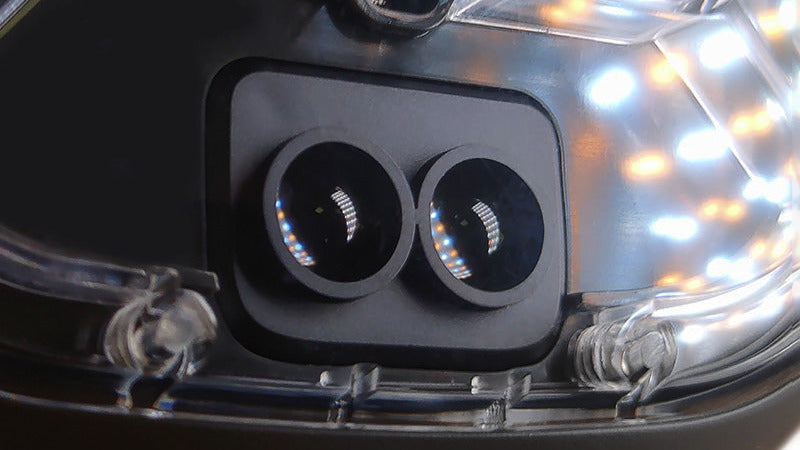
One ROXProX Laser unit creates one timing line—without an opposing sensor or separate reflector. Position your start, finish, or split lines and begin measuring.
Lane Device Opposing device or reflector Alignment required Device Opposing device or reflector Direction of travel
Conventional setup · two timing lines
  • Each timing line is made by two pieces facing each other — an opposing device, or a device plus a separate reflector.
  • The two pieces must be aligned with one another before the line will read.
  • More elements to place, aim and check for every line in the setup.
Lane One unit Timing line 1 One unit Timing line 2 Direction of travel
ROXProX Laser · two timing lines, two units
  • One ROXProX Laser unit creates one timing line — no opposing sensor, no separate reflector, nothing to align it against.
  • Position the unit where you want the line: start, finish, or a split.
  • A complete test uses as many timing lines as it needs. A start-and-finish test uses two; add a split and it uses three.
One unit equals one timing line — not one complete sprint test.
Start options

Choose How the Measurement Starts

Countdown

Start line Direction of travel

Use a standardized countdown for repeatable sprint tests and athlete comparisons.

Counts three, two, one—then timing begins.

Laser

Laser start

Timing starts when the athlete crosses the first ROXProX Laser line—ideal for flying sprints and tests entered at speed.

Timing starts at the crossing, not before it.
Product control

Built Around Your Training

Adjustable Laser Distance

Set the crossing distance from approximately 4 to 59 inches (10 to 150 centimetres) to match your setup.
4 in / 10 cm 59 in / 150 cm
This is the horizontal crossing distance from the unit to the point the athlete crosses. It is not a mounting height, not the sprint length, not the spacing between timing lines, and not a detection radius.
Crossing point ProX Crossing distance
Floor, seen from above

Up to Three Parallel Lanes

A six-piece ROXProX Laser set can create up to three parallel timing lanes for team testing and competitive formats.
1 2 3 Start Finish
Six units · three lanes · two units per lane
Applications

More Ways to Measure Movement

Use ROXProX Laser for:

Straight and flying sprints

Acceleration and split timing

Reactive starts

Change-of-direction drills

Randomized movement tasks

Team testing

Sport-specific speed training

Move from testing to training without changing systems.
Explore ROXProX Laser
Measurement to training

Measure Speed. Train Performance.

Use traditional timing when that is the objective. Add randomized cueing and Professional Cognitive-Motor Training when you want to measure more.