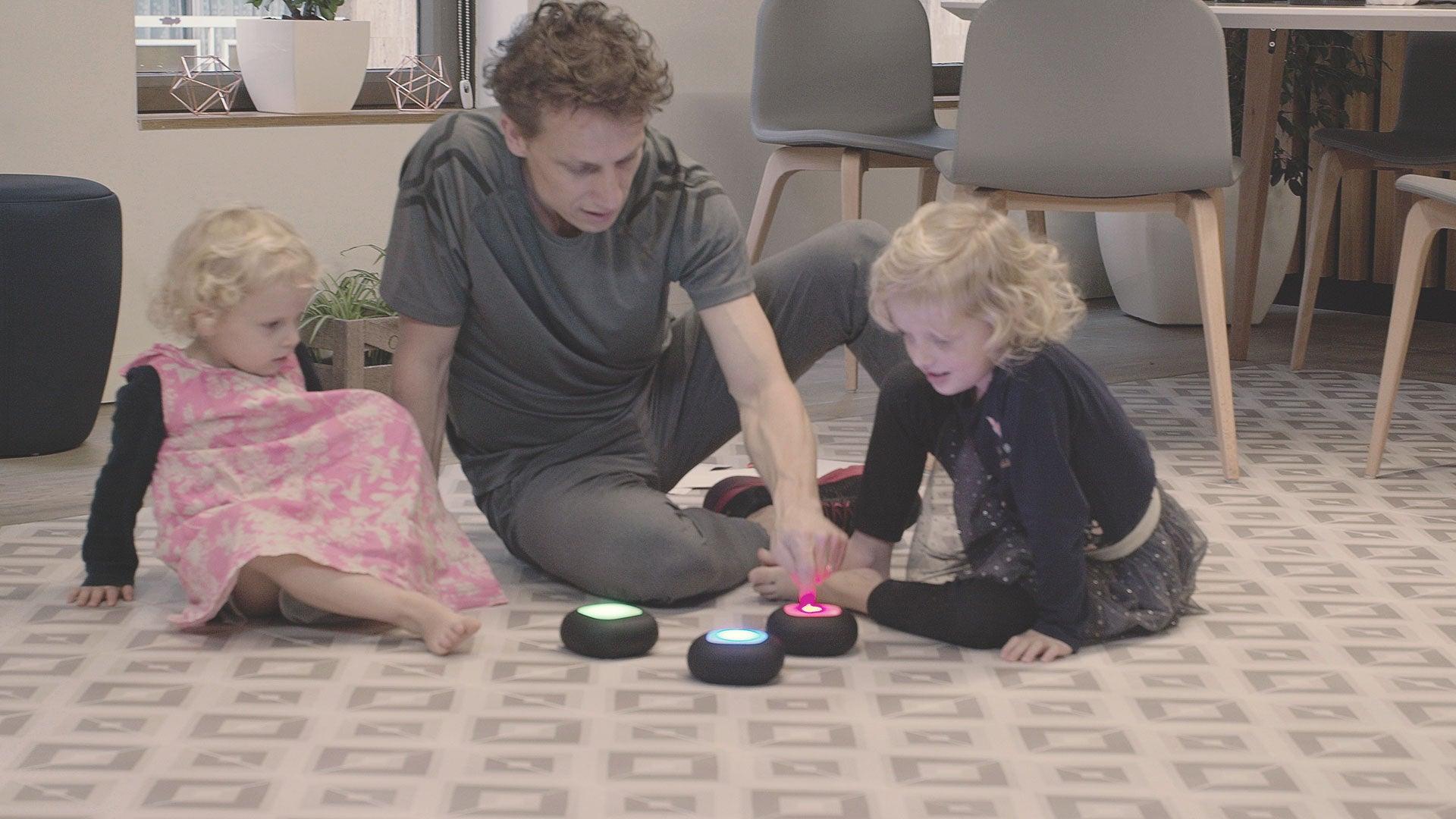

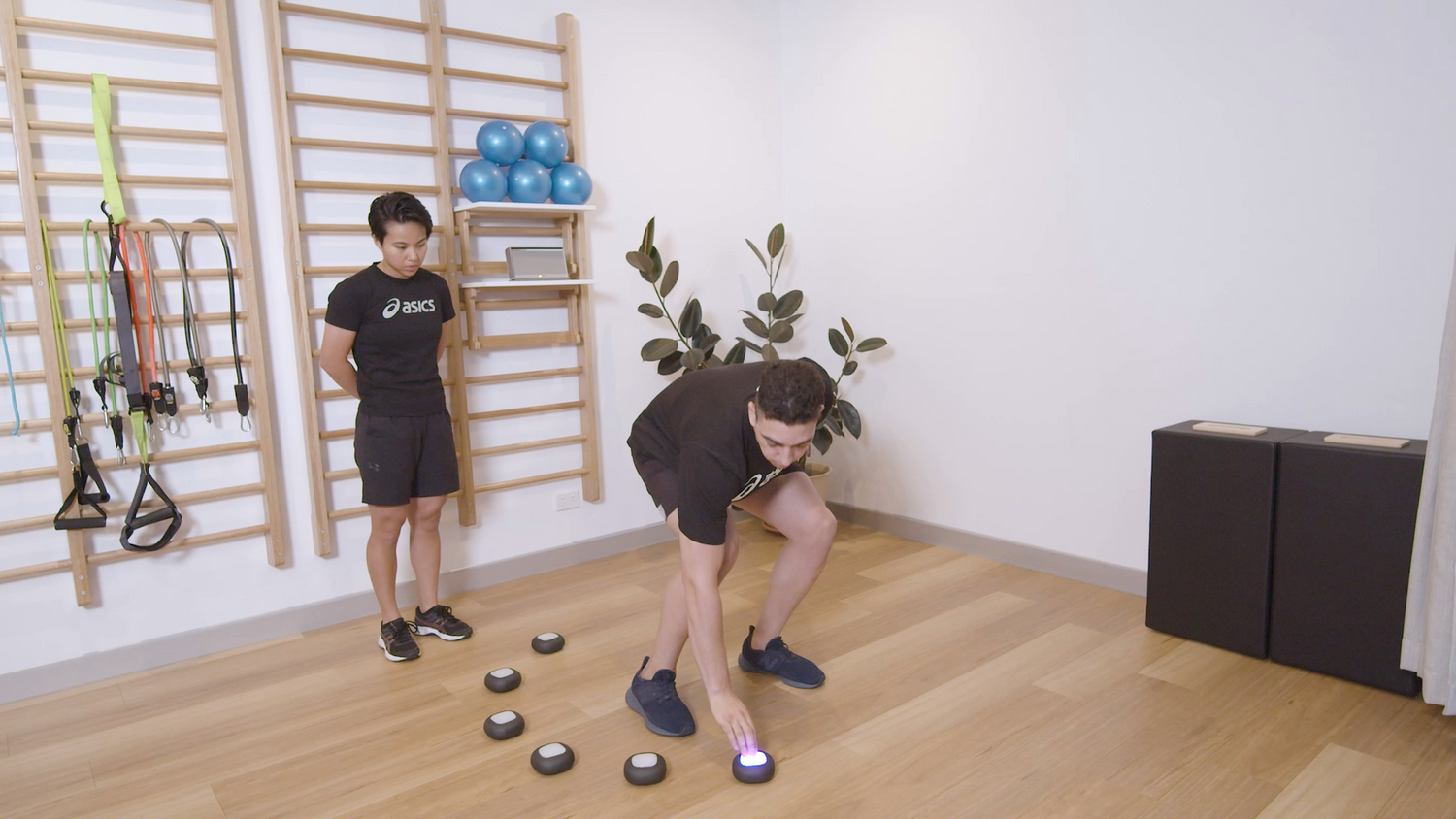

For clinics and carers: A-Champs interactive physical therapy equipment makes home-based dual-task training like the protocol in this study simple to deliver.
In a breakthrough pilot study led by researchers from Rey Juan Carlos University and GO fitLAB in Spain, a home-based exercise program using mobile technology—specifically the ROXPro system from A-Champs—demonstrated measurable benefits for people with dementia. The study assessed the impact of individualized, dual-task training combining physical, cognitive, and sensory tasks performed simultaneously in patients' own homes.

What Was the Study About?
The study aimed to evaluate whether mobile health technology-based home training could improve performance in dual-task scenarios, which are crucial for maintaining independence in everyday life. The training used ROXPro devices to stimulate patients with light, sound, and vibration, promoting engagement across multiple brain systems.
Participants and Setup
- 35 patients were initially recruited from Alzheimer associations in Madrid.
- 19 completed the study — 12 in the experimental group (EG), 7 in the control group (CG).
- EG underwent 24 sessions (3 per week) using the ROXPro system at home.
- CG continued with standard therapy and assessments only.
Key Assessments Used
- Gait Speed: Walking at preferred and maximal speed.
- Dual Task Gait Tests: Walking while subtracting from 100 or naming animals.
- Timed Up and Go (TUG): A key test of mobility and balance.
- Grip Strength: Measured via hand dynamometry.
Deliver dual-task training at home. The ROXProX combines movement with light, sound and cognitive cues in short, guided sessions carers can run anywhere.
Explore the full interactive physical therapy equipment range for neuro rehab.
Results: Reduced Dual Task Interference
The experimental group showed significant improvement in dual-task performance:
- Dual-task interference (gait + subtraction) decreased from 19.41% to 15.71%.
- Dual-task interference (gait + verbal fluency) dropped from 18.44% to 13.61%.
- The control group worsened in verbal fluency (18.54% to 27.01%).
- Sessions were short—only 15 minutes, 3 times per week for 8 weeks.
- Gait speed and grip strength remained stable, indicating cognitive improvements drove the gains.
Why It Matters
This study highlights the importance of dual-task training to help dementia patients maintain autonomy and reduce fall risk. It also proves that such programs can be effectively delivered at home using affordable mobile technology, making them more accessible and scalable than traditional in-clinic interventions.
Related reading: Home-based cueing training for Parkinson's, tailored exercises for seniors, and building the nervous system back after injury.
FAQs
Who conducted the study?
The study was carried out by Rey Juan Carlos University and GO fitLAB, and published in the International Journal of Environmental Research and Public Health.
What is dual-task training?
Dual-task training involves completing a motor and cognitive task simultaneously—like walking while solving math problems—to mimic real-world challenges and improve multitasking abilities.
Why is this important for dementia care?
Dual-task training can reduce fall risk, maintain independence, and boost confidence in everyday life for individuals with dementia.
How long was the training program?
The program lasted 8 weeks with three 15-minute sessions per week, using the ROXPro system at home.
Where can I learn more about the ROXPro system?
Visit the A-Champs website to explore ROXPro and cognitive training tools.
📚 This guide is part of the Rehab & Recovery Hub. Explore all our related guides and drills in one place.