

Die Position des Small Forward im Basketball: Rolle, Aufgaben & Elite-Beispiele
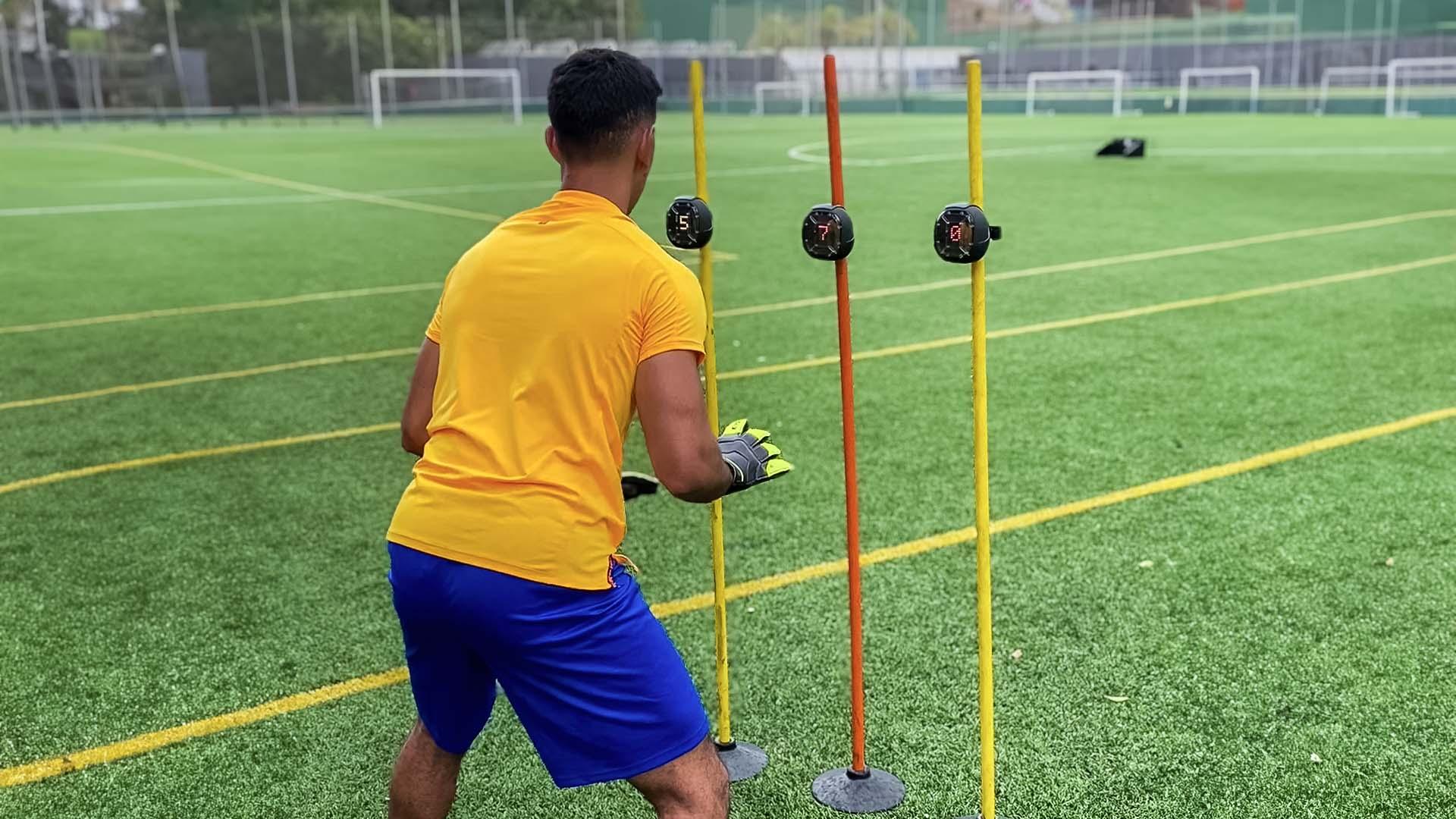
Trainiere wie ein vielseitiger Flügelspieler: A-Champs Basketball-Trainingsausrüstung baut die Reaktionsgeschwindigkeit und Entscheidungsfähigkeit auf, auf die sich Small Forwards verlassen.
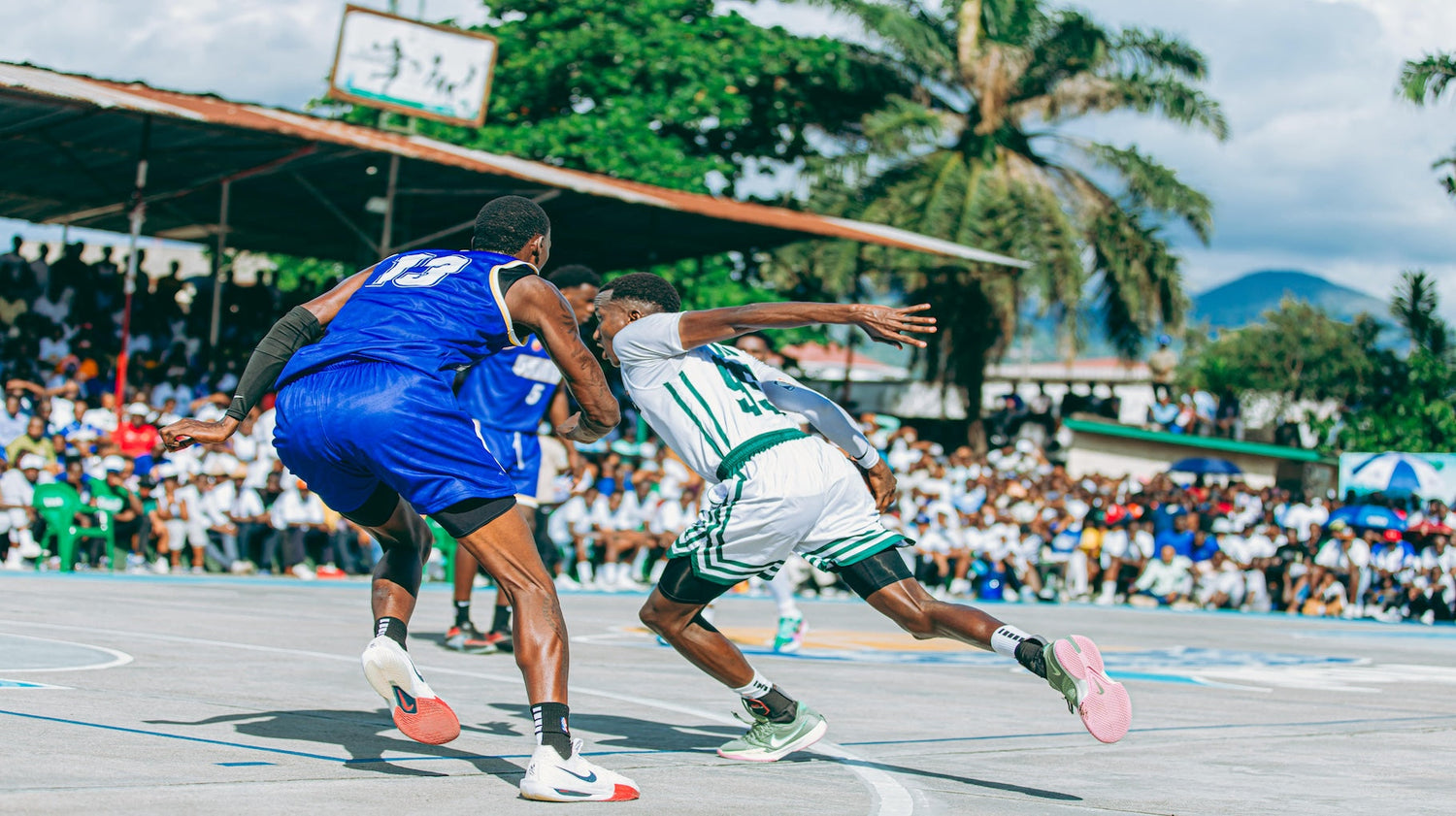
Der Small Forward ist oft der Allrounder im Basketball. Von ihm wird erwartet, dass er auf mehreren Ebenen punktet, verschiedene Gegenspieler verteidigt, rebounded und manchmal sogar für Mitspieler kreiert, wenn das Spiel ins Stocken gerät.
In diesem Leitfaden erklären wir die Position des Small Forward im Basketball – was sie ist, wo sie spielt und was einen guten SF von einem hervorragenden unterscheidet.

Was ist ein Small Forward im Basketball?
Ein Small Forward (SF) ist in der Regel die Position 3 auf dem Feld. Einfach gesagt, überbrückt der Small Forward die Lücke zwischen Guards und großen Spielern – eine Hybridrolle, die Schnelligkeit und Technik eines Guards mit der Größe und Physis eines Forwards verbindet.
Also, was ist ein Small Forward im Basketball? Es ist der Spieler, der das Spiel auf die unterschiedlichsten Arten beeinflussen kann – punkten, verteidigen, rebounden und den Angriff verbinden.
- Small-Forward-Spieler agieren zwischen dem Perimeter und der Zone
- Sie verteidigen oft den besten Flügelscorer des Gegners
- Sie gehören häufig zu den athletischsten Spielern auf dem Feld
Wo spielt der Small Forward auf dem Feld?
Small Forwards bleiben nicht an einem Ort. Ihr Wert entsteht dadurch, dass sie je nach System und Gegenspieler in mehreren Bereichen des Feldes effektiv sind.
- Perimeter: Raumaufteilung, Schnitte, Angriffe auf Closeouts
- Mid-Post: Größenvorteile, Turnarounds, Kick-outs
- Umschaltspiel: Fast Breaks abschließen oder frühen Angriff kreieren
- Verteidigung: Flügel-Matchups und Switchen über Positionen hinweg
Wichtige Aufgaben des Small Forward
Punkten
- Zum Korb ziehen und durch Kontakt abschließen
- Catch-and-Shoot-Gelegenheiten von Flügeln und Ecken nutzen
- Würfe im Isolationsspiel kreieren, wenn der Raum eng wird
Verteidigung
- Mehrere Positionen verteidigen
- On-Ball- und Help-Defense-Reads umsetzen
- Switchen, ohne leichte Vorteile herzugeben
Rebounding & Einsatz
- Defensiv-Rebounds sichern
- Rebounds in Fast Breaks verwandeln
- Lose Bälle gewinnen und im Umschaltspiel sprinten
Die Rolle des Small Forward im Basketball steht im Zentrum von allem – sie verbindet Angriff und Verteidigung und passt sich an, was das Spiel verlangt.
Wesentliche Fähigkeiten eines Small Forward
- Athletik & Schnelligkeit: Abschlüsse, Verteidigung, das Feld rauf und runter laufen
- Ballhandling: Closeouts angreifen und Vorteile kreieren
- Wurfkonstanz: Help-Defense bestrafen
- Basketball-IQ: Rotationen lesen und kluge Entscheidungen treffen
Diese Mischung aus Fähigkeiten definiert die Small-Forward-Rolle, auf die sich Teams verlassen – anpassungsfähig, zuverlässig und matchup-sicher.
Sei der matchup-sichere Flügelspieler. Der ROXProX trainiert die Reaktionsgeschwindigkeit, Switch-Defense-Reads und Abschlussentscheidungen, die ein vielseitiger Small Forward braucht.
Entdecke das gesamte Sortiment an Basketball-Trainingsausrüstung.
Wie sich die Rolle des Small Forward entwickelt hat
- Traditioneller SF: Flügelscorer und Verteidiger
- Moderner SF: Drei-Ebenen-Scorer und Switch-Verteidiger
- Positionslose Ära: Point Forwards und Small-Ball-Fours
Vielseitigkeit bleibt das prägende Merkmal – nun ausgedrückt durch Raumaufteilung, Switchen und Spielgestaltung.
Berühmte Small Forwards im Basketball
- LeBron James: Kraft, Spielgestaltung und Kontrolle als Point Forward
- Kevin Durant: Elite-Scoring mit Größe und Wurf
- Scottie Pippen: Prototyp des Zwei-Wege-Flügelspielers
- Kawhi Leonard: physischer Scorer mit dominanter Perimeter-Verteidigung
Small Forward vs. andere Positionen
| Vergleich | Hauptunterschied | Typische Stärke |
|---|---|---|
| SF vs. Shooting Guard | SF ist größer und rebounded mehr | Vielseitigkeit |
| SF vs. Power Forward | SF spielt mehr am Perimeter | Flügelverteidigung + Raum angreifen |
Jugend- & Anfänger-Small-Forwards: Worauf du dich konzentrieren solltest
- Entwickle Allround-Fähigkeiten: dribbeln, passen, werfen, verteidigen
- Vermeide frühe Überspezialisierung
- Lerne Raumaufteilung, Timing und Entscheidungsfindung

Häufig gestellte Fragen
Was macht ein Small Forward im Basketball?
Ein Small Forward punktet, verteidigt Flügel-Matchups, rebounded und unterstützt die Spielgestaltung. Er ist oft der vielseitigste Spieler auf dem Feld.
Ist Small Forward die schwierigste Position?
Das kann sein, denn von Small Forwards wird erwartet, dass sie beim Punkten, Verteidigen, Rebounden und bei Entscheidungen beitragen.
Welche Fähigkeiten braucht ein Small Forward?
Zu den wichtigsten Fähigkeiten gehören athletische Abschlüsse, konstanter Wurf, solides Ballhandling, defensive Vielseitigkeit und ein starker Basketball-IQ.
Kann ein Small Forward den Ball nach vorne bringen?
Ja. Viele moderne Small Forwards leiten den Angriff ein, besonders im Umschaltspiel oder als sekundäre Spielmacher.
Welche Nummer hat die Position des Small Forward?
Small Forward ist traditionell die Position 3, oft als „die 3“ bezeichnet.
Glossar der Basketballbegriffe
- Drei-Ebenen-Scorer: Ein Spieler, der am Korb, aus der Mitteldistanz und aus der Dreierdistanz punkten kann.
- Perimeter: Der äußere Bereich des Feldes, in dem Flügelspieler und Guards agieren.
- Zone (Paint): Der Bereich nahe am Korb, in dem inneres Punkten, Rebounding und Verteidigung stattfinden.
- Flügelscorer: Ein Spieler, der vom Flügel punktet und oft die beste Perimeter-Bedrohung des Gegners verteidigt.
- Spacing: Offensive Positionierung, die die Verteidigung auseinanderzieht und Punktchancen schafft.
- Cutting: Bewegung ohne Ball in freien Raum, um Punktchancen zu schaffen.
- Kick-out: Ein Pass an den Perimeter, nachdem die Verteidigung bei einem Drive oder Post-up zusammenbricht.
- Fast Break: Eine schnelle Punktchance unmittelbar nach einem Ballbesitzwechsel.
- Help Defense: Defensive Unterstützung durch ballferne Verteidiger, wenn ein Mitspieler überwunden wird.
- Small Ball: Ein Aufstellungsstil mit kleineren, schnelleren Spielern, um Tempo und Switchen zu erhöhen.
Fazit
Der Small Forward ist ein echter Verbinder – teils Scorer, teils Verteidiger, teils Rebounder und manchmal Spielmacher. Wenn du mehrere Bereiche des Spiels beeinflussen kannst, bietet die SF-Rolle eine klare Chance, deine Spielzeit zu maximieren.
Lies als Nächstes: Basketballpositionen erklärt
Möchtest du die Fähigkeiten trainieren, auf die sich Elite-Small-Forwards verlassen? Entdecke die A-Champs Basketball-Trainingstools, die entwickelt wurden, um Reaktionszeit, Entscheidungsfindung und Spielgeschwindigkeit zu verbessern.
Weiterführende Lektüre: Kompletter Leitfaden zu den Basketballpositionen, Die Position des Point Guard und Die Position des Shooting Guard.