

Die Position des Point Guard im Basketball: Rolle, Aufgaben & Elite-Beispiele
Einleitung
Schärfe deinen Spielmacher: A-Champs Basketball-Trainingsausrüstung baut die Reaktionsgeschwindigkeit und Entscheidungsfähigkeit auf, von der Point Guards leben.
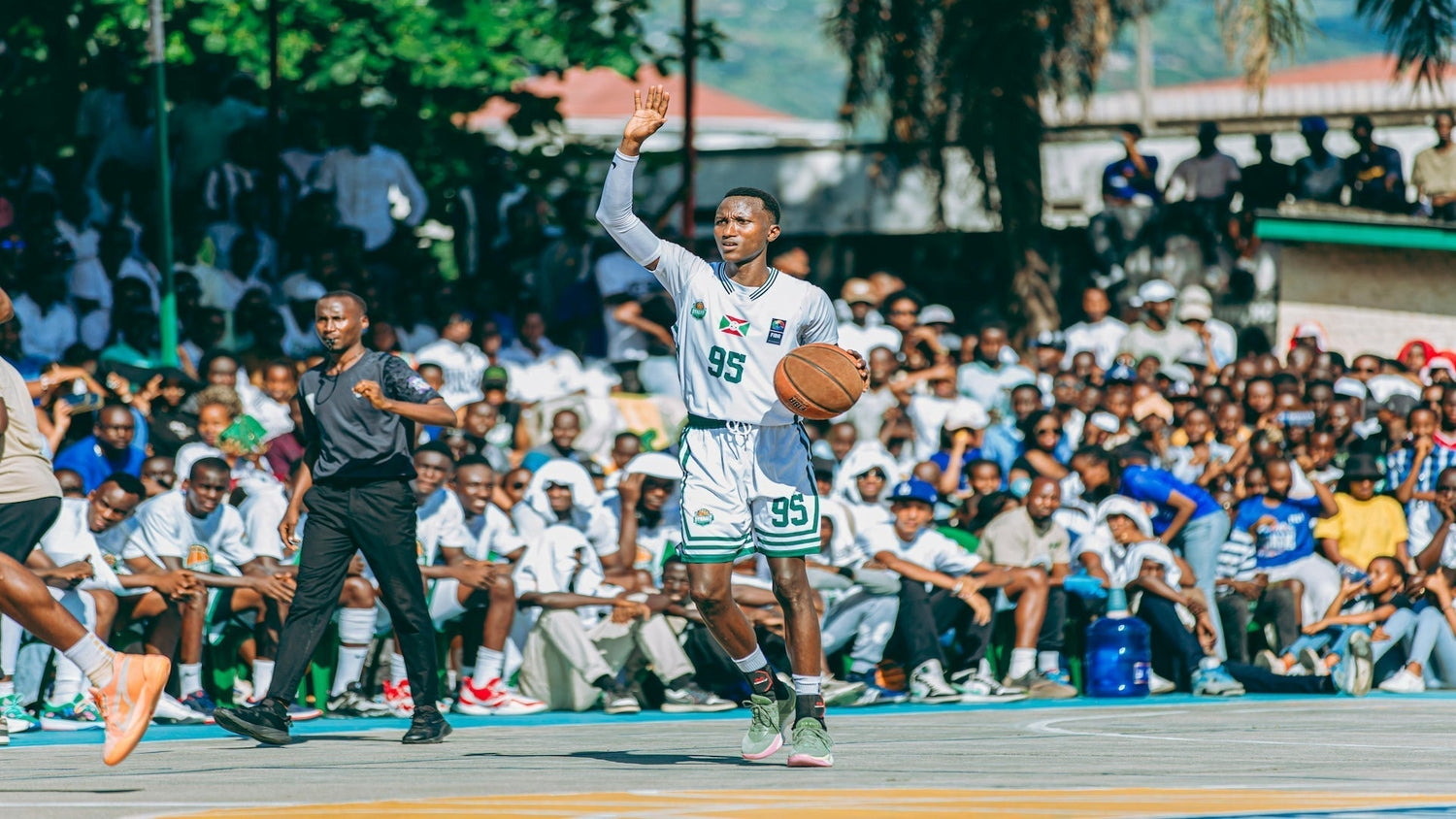
Der Point Guard wird oft als „Spielmacher“ (Floor General) des Teams bezeichnet. Er bringt den Ball nach vorne, steuert das Tempo, kreiert Punktchancen und trifft unter Druck kluge Entscheidungen.
In diesem Leitfaden erklären wir die Position des Point Guard im Basketball: was sie ist, wo sie spielt und was einen guten PG von einem hervorragenden unterscheidet.

Was ist ein Point Guard im Basketball?
Ein Point Guard (PG) ist in der Regel die Position 1 auf dem Feld und fungiert als primärer Organisator des Angriffs. Er stellt Spielzüge auf, dirigiert Mitspieler und schafft Vorteile durch Passen, Dribbeln und kluge Reads.
Also, was ist ein Point Guard im Basketball? Es ist der Spieler, der den Ball am häufigsten berührt, in vielen Aktionen den ersten Read macht und oft entscheidet, ob das Team schnell angreift oder das Tempo verlangsamt.
- Point-Guard-Spieler agieren meist am Top of the Key und am Perimeter
- Sie verteidigen oft den primären Ballhandler des Gegners
- Sie gehören häufig zu den besten Entscheidern und Kommunikatoren auf dem Feld
Wo spielt der Point Guard auf dem Feld?
Point Guards agieren überall am Perimeter, aber ihre Hauptaufgabe ist es, den Angriff einzuleiten und zu organisieren. Ihre Positionierung ändert sich je nach System, Gegenspieler und ausgeführter Aktion.
- Top of the Key: Spielzüge einleiten, Plays ansagen, die Verteidigung lesen
- Flügel: Wege zum Korb schaffen, Off-Ball-Aktionen und Kick-out-Winkel
- Pick-and-Roll-Bereiche: Blocks nutzen, um Punkt- und Passvorteile zu schaffen
- Verteidigung: den Ball unter Druck setzen und durch Blocks navigieren
Wichtige Aufgaben des Point Guard
Unten findest du die Kernaufgaben, die die meisten Trainer von einem modernen PG erwarten.
Spielgestaltung & Passen
- Punktchancen durch Timing und Reads kreieren
- Präzise Pässe liefern (Kick-outs, Pocket Passes, Skip Passes)
- Ballverluste begrenzen, indem man unter Druck ruhig bleibt
Ballhandling & Kontrolle
- Den Ball gegen Druck nach vorne bringen, ohne die Kontrolle zu verlieren
- Das Tempo wechseln, um sich vom Verteidiger zu lösen (Hesitations, Stops, Antritte)
- Den Angriff organisiert halten
Verteidigung & Führung
- Den Point of Attack verteidigen und das Dribble-Penetration eindämmen
- Coverages kommunizieren und Blocks ansagen
- Mit Einsatz, Härte und Ruhe den Ton angeben
Kurz gesagt: Alles beginnt mit dem Point Guard – wenn der PG die Kontrolle hat, hat sie meist auch das Team.
Wesentliche Fähigkeiten eines Point Guard
Die besten PGs verbinden Technik, Gelassenheit und Entscheidungsfindung auf hohem Niveau.
- Elite-Ballhandling: Druck überwinden und Passwinkel schaffen
- Übersicht & Passen: die Help-Defense lesen und die beste Option finden
- Entscheidungsfindung: wissen, wann man passt, wirft oder neu aufbaut
- Führung & Kommunikation: Mitspieler dirigieren und ruhig bleiben
Diese Mischung aus Fähigkeiten definiert die Rolle des Point Guard im Basketball, auf die sich Teams verlassen: stabil, intelligent und kontrolliert.
Leite den Angriff in Spielgeschwindigkeit. Der ROXProX trainiert die Sekundenbruchteil-Reads, Reaktionen beim Dribbeln unter Druck und die Entscheidungsgeschwindigkeit, die ein Spielmacher braucht.
Entdecke das gesamte Sortiment an Basketball-Trainingsausrüstung.
Wie sich die Rolle des Point Guard entwickelt hat
Der Point Guard war früher ein passorientierter Organisator. Heute ist die Rolle dynamischer – wegen Spacing, Tempo und der Entwicklung des Pick-and-Roll.
- Traditioneller PG: passorientierter Spielmacher, der das Tempo kontrolliert
- Moderner PG: Drei-Ebenen-Scoring-Bedrohung mit Wurf-Gravitation
- Combo Guards: PG/SG-Hybriden, die sich Kreation und Scoring teilen
Elite-Point-Guards zwingen Verteidigungen heute, sowohl den Pass als auch den Wurf zu verteidigen.
Berühmte Point Guards im Basketball
Hier sind einige Spieler, die definieren, was ein Basketball-Point-Guard sein kann:
- Stephen Curry: Wurf-Gravitation, Off-Ball-Bewegung, Scoring
- Chris Paul: Tempokontrolle, Pick-and-Roll-Meisterschaft, Führung
- Magic Johnson: übergroße Spielgestaltung und Fast-Break-Dominanz
- Steve Nash: herausragende Übersicht und Effizienz im offenen Feld
Point Guard vs. andere Positionen
| Vergleich | Hauptunterschied | Typische Stärke |
|---|---|---|
| PG vs. Shooting Guard | PG organisiert den Angriff; SG ist stärker auf Scoring ausgerichtet | Spielgestaltung und Tempokontrolle |
| PG vs. Small Forward | PG leitet den Angriff konstanter ein | Ballhandling unter Druck |
Jugend- & Anfänger-Point-Guards: Worauf du dich konzentrieren solltest
In jüngeren Altersklassen rotieren viele Trainer Spieler durch die Point-Guard-Rolle, um Selbstvertrauen und Entscheidungsfindung aufzubauen.
- Beherrsche die Grundlagen: mit beiden Händen dribbeln, rechtzeitig passen
- Lerne das Tempo: die Geschwindigkeit wechseln, den Kopf oben halten
- Triff einfache Reads: Raum angreifen und freie Mitspieler finden

Häufig gestellte Fragen
Was macht ein Point Guard im Basketball?
Ein Point Guard leitet den Angriff, bringt den Ball nach vorne, kreiert Punktchancen und kontrolliert das Tempo.
Ist Point Guard die schwierigste Position?
Das kann sein. Point Guards gehen mit Druck um, treffen schnelle Entscheidungen und führen das Team auf beiden Seiten.
Welche Fähigkeiten braucht ein Point Guard?
Elite-Ballhandling, Passübersicht, Entscheidungsfindung, Führung und On-Ball-Verteidigung.
Kann ein Point Guard viel punkten?
Ja. Viele moderne Point Guards sind große Scoring-Bedrohungen, was ihre Spielgestaltung noch gefährlicher macht.
Welche Nummer hat die Position des Point Guard?
Der Point Guard ist in der Regel die Position 1.
Glossar der Basketballbegriffe
- Tempo: Die Geschwindigkeit und der Rhythmus, in dem ein Team spielt, oft vom Point Guard gesteuert.
- Read: Erkennen, wie die Verteidigung reagiert, und die richtige Entscheidung treffen – passen, ziehen oder neu aufbauen.
- Perimeter: Der äußere Bereich des Feldes, in dem Point Guards den Angriff einleiten und Spacing schaffen.
- Actions / Sets / Plays: Organisierte offensive Bewegungen, die Punktchancen schaffen sollen.
- Pick and Roll: Eine Zwei-Spieler-Aktion, bei der ein Block am Ball gestellt wird, um Pass- oder Punktvorteile zu schaffen.
- Dribble Penetration: Die Verteidigung per Dribbling angreifen, um Help-Verteidiger zu binden.
- Pocket Pass: Ein kurzer Pass an einen rollenden Blocksteller auf engem Raum während eines Pick and Roll.
- Skip Pass: Ein langer Pass quer über das Feld, um die Help-Defense zu bestrafen und offene Würfe zu schaffen.
- Kick-out: Ein Pass an den Perimeter, nachdem bei einem Drive mehrere Verteidiger gebunden wurden.
Fazit
Der Point Guard ist der Motor: teils Spielmacher, teils Führungsspieler und oft die Ruhe des Teams unter Druck. Das Tempo zu kontrollieren, kluge Reads zu treffen und den Ball zu schützen sind die Fähigkeiten, die Point Guards mehr Spielzeit verschaffen als jede andere Position.
Lies als Nächstes: Basketballpositionen erklärt
Möchtest du die Fähigkeiten trainieren, auf die sich Elite-Point-Guards verlassen? Entdecke die A-Champs Basketball-Trainingstools, die entwickelt wurden, um Reaktionszeit, Entscheidungsfindung und Spielgeschwindigkeit zu verbessern.
Weiterführende Lektüre: Kompletter Leitfaden zu den Basketballpositionen, Die Position des Shooting Guard und Die Position des Small Forward.