

La posición de alero en el baloncesto: rol, responsabilidades y ejemplos de élite
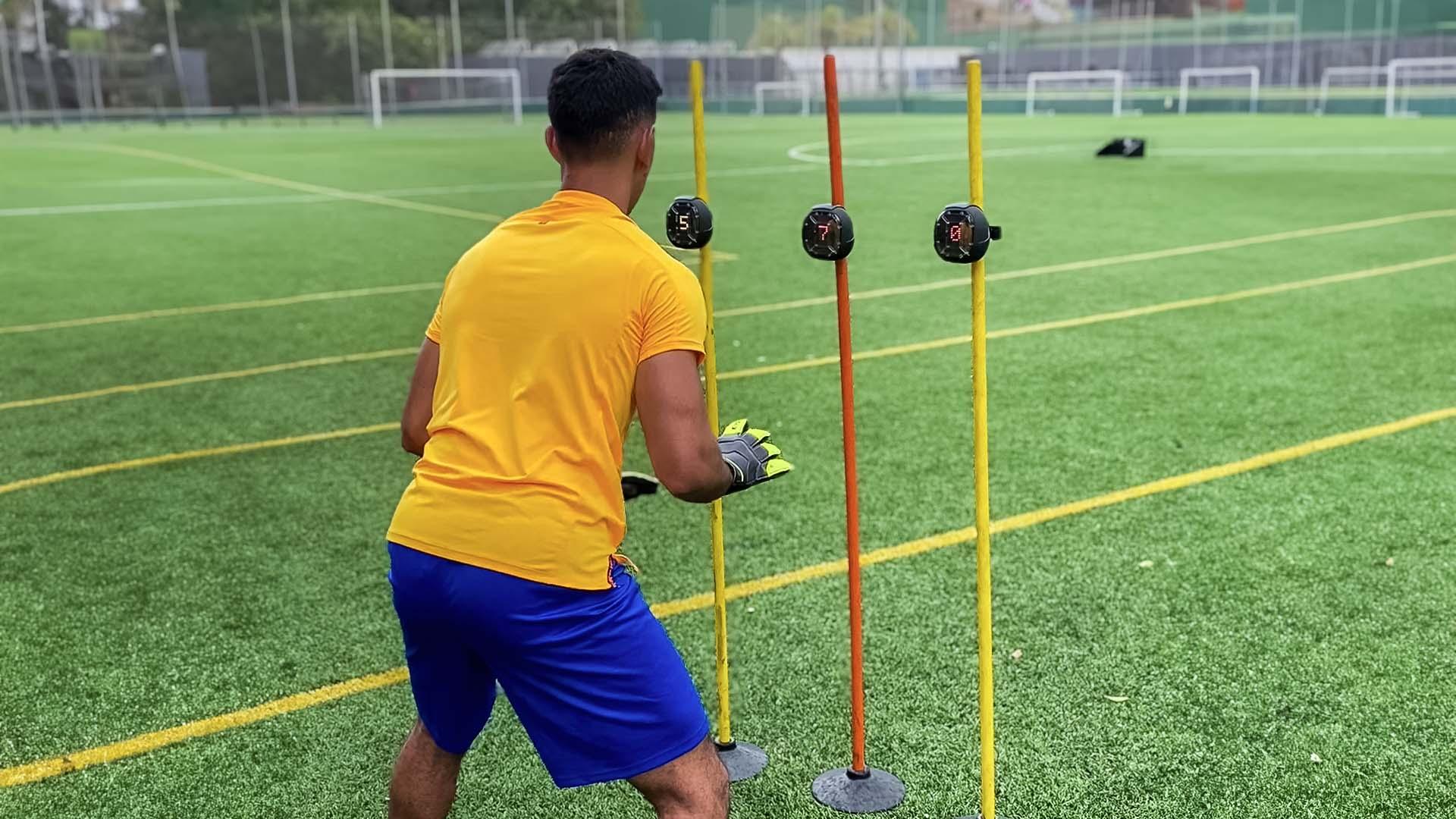
Entrena como un alero versátil: el equipo de entrenamiento de baloncesto de A-Champs desarrolla la velocidad de reacción y la toma de decisiones en las que se apoyan los aleros.
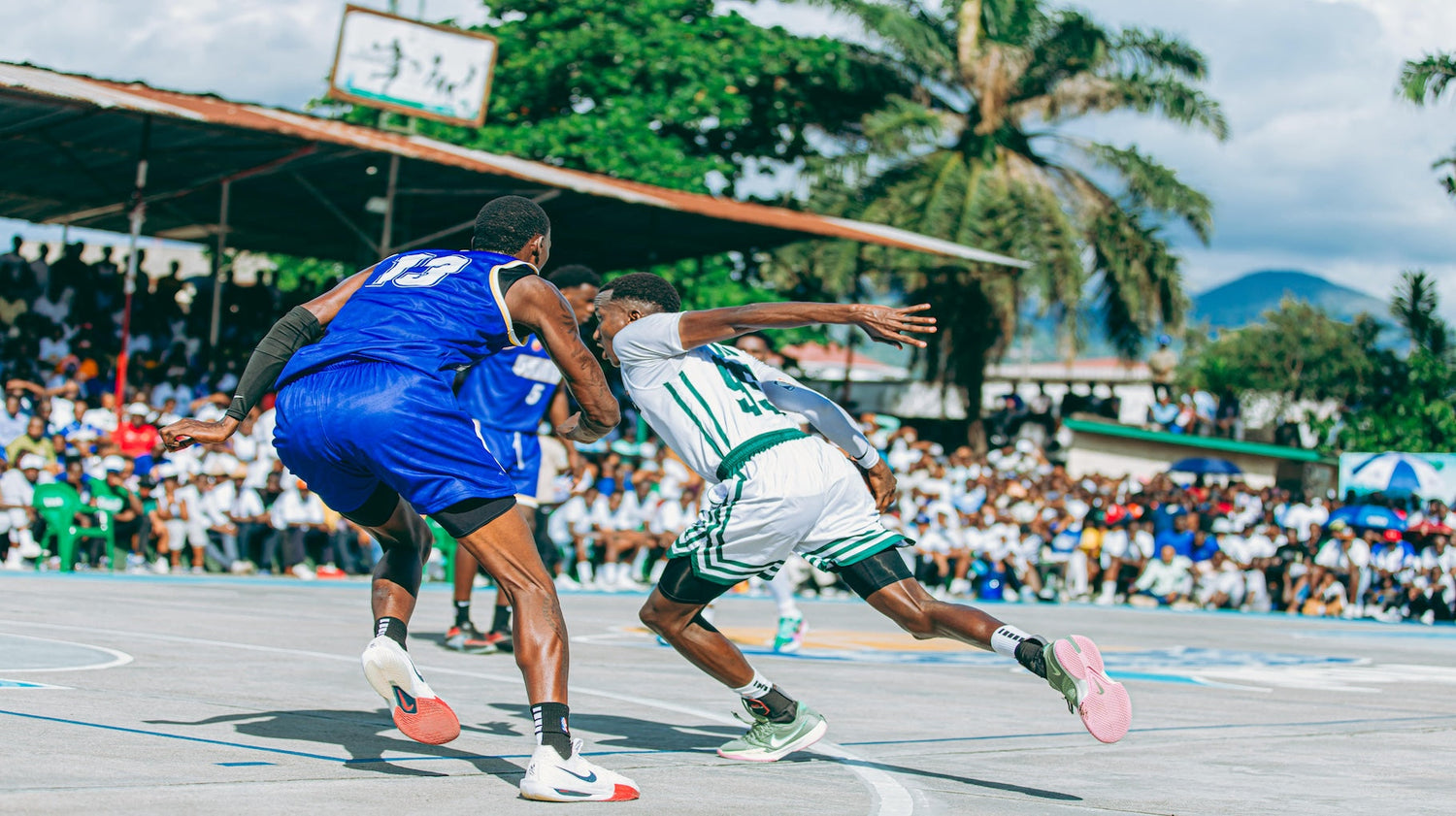
El alero suele ser el jugador “todoterreno” del baloncesto. Se espera que anote a varios niveles, defienda distintos emparejamientos, capture rebotes y, a veces, incluso cree juego para sus compañeros cuando la jugada se rompe.
En esta guía desglosaremos la posición de alero en el baloncesto: qué es, dónde juega y qué distingue a un buen alero de uno excelente.

¿Qué es un alero en el baloncesto?
Un alero (en inglés, small forward o SF) suele ser la posición 3 en la cancha. En términos simples, el alero hace de puente entre los bases/escoltas y los hombres altos: un rol híbrido que combina la velocidad y la habilidad de un exterior con el tamaño y la física de un ala.
Así que, ¿qué es un alero en el baloncesto? Es el jugador que puede influir en el partido de las formas más diversas: anotando, defendiendo, reboteando y conectando el ataque.
- Los aleros de baloncesto operan entre el perímetro y la pintura
- A menudo defienden al mejor anotador exterior del rival
- Suelen estar entre los jugadores más atléticos de la cancha
¿Dónde juega el alero en la cancha?
Los aleros no viven en un solo lugar. Su valor proviene de ser efectivos en varias zonas de la cancha según el sistema y el emparejamiento.
- Perímetro: abrir espacios, cortar, atacar los closeouts
- Poste medio: ventajas de tamaño, giros, kick-outs
- Transición: finalizar contraataques o generar ataque temprano
- Defensa: emparejamientos en el exterior y cambios entre posiciones
Responsabilidades clave del alero
Anotación
- Penetrar a canasta y finalizar con contacto
- Aprovechar oportunidades de catch-and-shoot desde las alas y las esquinas
- Crear tiros en aislamiento cuando el espacio se cierra
Defensa
- Defender varias posiciones
- Ejecutar lecturas de defensa al hombre y de ayuda
- Cambiar sin conceder ventajas fáciles
Rebote y esfuerzo
- Asegurar rebotes defensivos
- Convertir rebotes en contraataques
- Ganar balones sueltos y esprintar en transición
El rol del alero en el baloncesto está en el centro de todo: conecta ataque y defensa mientras se adapta a lo que pide el partido.
Habilidades esenciales de un alero
- Atletismo y velocidad: finalizar, defender, correr la cancha
- Manejo de balón: atacar los closeouts y crear ventajas
- Constancia en el tiro: castigar la defensa de ayuda
- Inteligencia de baloncesto: leer las rotaciones y tomar buenas decisiones
Esta combinación de recursos define el rol de alero en el que se apoyan los equipos: adaptable, fiable y a prueba de emparejamientos.
Sé el alero a prueba de emparejamientos. El ROXProX entrena la velocidad de reacción, las lecturas de defensa con cambios y las decisiones de finalización que necesita un alero versátil.
Explora toda la gama de equipo de entrenamiento de baloncesto.
Cómo ha evolucionado el rol del alero
- Alero tradicional: anotador y defensor exterior
- Alero moderno: anotador de tres niveles y defensor con cambios
- Era sin posiciones: aleros-base y “ala-pívots” de juego pequeño
La versatilidad sigue siendo el rasgo definitorio, ahora expresado mediante el espaciado, los cambios y la generación de juego.
Aleros famosos del baloncesto
- LeBron James: potencia, generación de juego y control como alero-base
- Kevin Durant: anotación de élite con tamaño y tiro
- Scottie Pippen: el prototipo de alero de dos caras
- Kawhi Leonard: anotador físico con una defensa exterior dominante
El alero frente a otras posiciones
| Comparación | Diferencia principal | Fortaleza típica |
|---|---|---|
| Alero vs. escolta | El alero es más grande y rebotea más | Versatilidad |
| Alero vs. ala-pívot | El alero juega más en el perímetro | Defensa exterior + atacar el espacio |
Aleros jóvenes y principiantes: en qué centrarse
- Desarrolla habilidades completas: botar, pasar, tirar, defender
- Evita la sobreespecialización temprana
- Aprende espaciado, sincronización y toma de decisiones

Preguntas frecuentes
¿Qué hace un alero en el baloncesto?
Un alero anota, defiende emparejamientos exteriores, rebotea y apoya la generación de juego. Suele ser el jugador más versátil de la cancha.
¿Es el alero la posición más difícil?
Puede serlo, porque se espera que los aleros contribuyan en anotación, defensa, rebote y toma de decisiones.
¿Qué habilidades necesita un alero?
Las habilidades clave incluyen finalización atlética, tiro constante, buen manejo de balón, versatilidad defensiva y una sólida inteligencia de baloncesto.
¿Puede un alero subir el balón?
Sí. Muchos aleros modernos inician el ataque, sobre todo en transición o como creadores secundarios.
¿Qué número tiene la posición de alero?
El alero es tradicionalmente la posición 3, a menudo llamada “el 3”.
Glosario de términos de baloncesto
- Anotador de tres niveles: Un jugador que puede anotar cerca del aro, en media distancia y desde la línea de tres.
- Perímetro: La zona exterior de la cancha donde operan aleros, escoltas y bases.
- Pintura: La zona cercana a la canasta donde se da la anotación interior, el rebote y la defensa.
- Anotador exterior: Un jugador que anota desde el ala y suele defender la mayor amenaza exterior del rival.
- Espaciado: Posicionamiento ofensivo que estira la defensa y crea oportunidades de anotación.
- Corte: Moverse sin balón hacia un espacio libre para crear ocasiones de anotación.
- Kick-out: Un pase al perímetro después de que la defensa se cierra ante una penetración o un poste.
- Contraataque: Una oportunidad de anotación rápida justo después de un cambio de posesión.
- Defensa de ayuda: Apoyo defensivo que prestan los defensores sin balón cuando un compañero es superado.
- Juego pequeño (small ball): Un estilo de alineación con jugadores más pequeños y rápidos para aumentar la velocidad y los cambios.
Conclusión
El alero es un auténtico conector: en parte anotador, en parte defensor, en parte reboteador y, a veces, generador de juego. Si puedes influir en varias áreas del partido, el rol de alero ofrece una clara oportunidad de maximizar tus minutos en cancha.
Lee a continuación: Las posiciones de baloncesto explicadas
¿Quieres entrenar las habilidades en las que se apoyan los aleros de élite? Explora las herramientas de entrenamiento de baloncesto de A-Champs, diseñadas para mejorar el tiempo de reacción, la toma de decisiones y la velocidad de juego.
Lecturas relacionadas: Guía completa de las posiciones de baloncesto, La posición de base y La posición de escolta.