

Power Forward im Basketball: Rolle, Aufgaben & Top-Beispiele
Einleitung
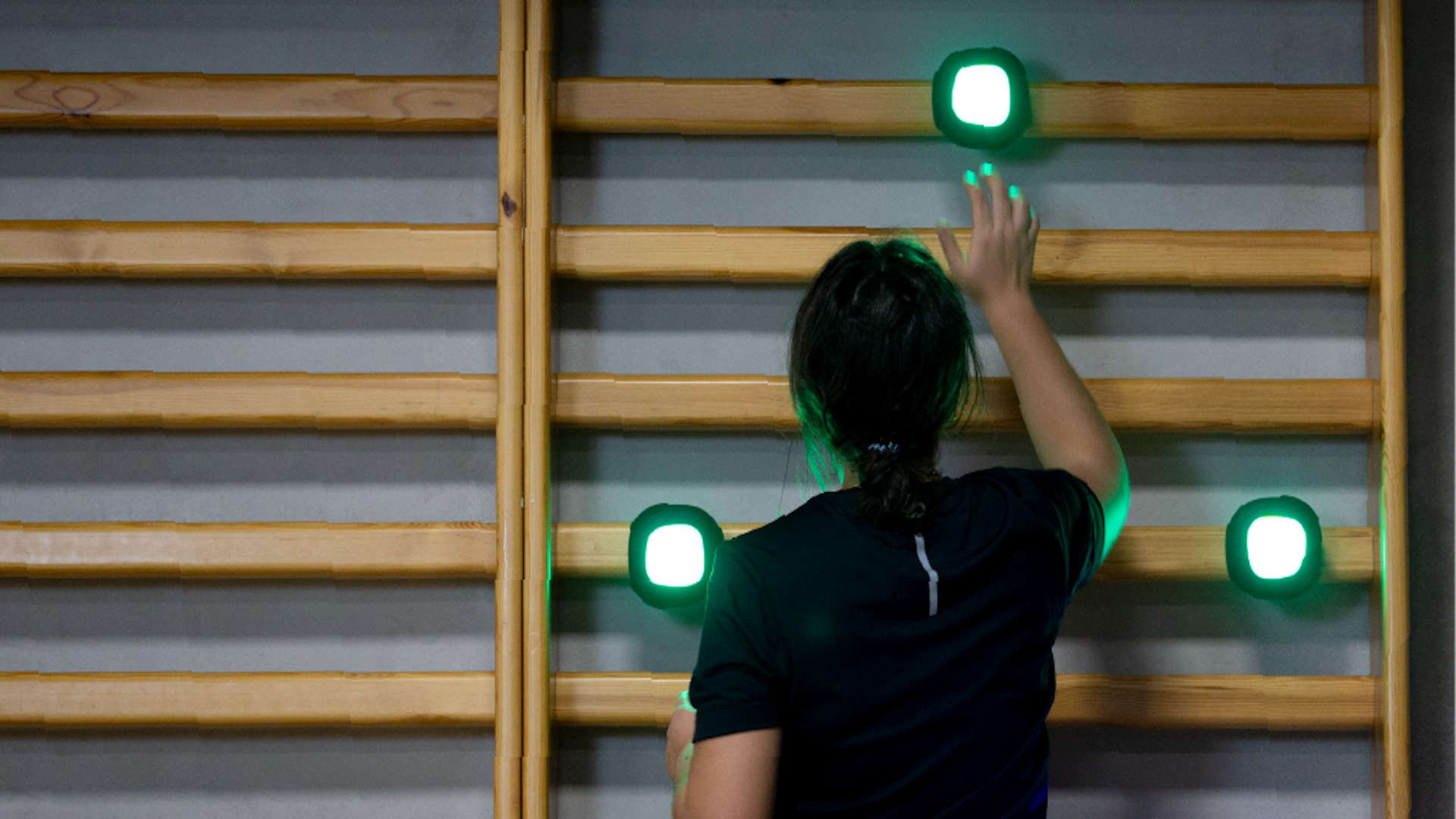
Trainiere die moderne Vier: Basketball-Trainingsequipment von A-Champs baut die Reaktionsschnelligkeit, Koordination und switch-bereite Bewegung auf, die Power Forwards brauchen.
Der Power Forward (PF) ist traditionell die „4“-Position – eine Frontcourt-Rolle, die auf Rebounds, körperbetonter Verteidigung und Punkten in der Zone aufbaut. Im heutigen Spiel hat sich die Power-Forward-Position im Basketball erweitert: Sie umfasst nun Floor Spacing, das Switchen in der Verteidigung und schnellere Entscheidungen in modernen Systemen.
Was ist ein Power Forward im Basketball?
Wenn du dich fragst, was ein Power Forward im Basketball ist: Es ist in der Regel die „4“-Position – ein Frontcourt-Spieler, der den Center innen unterstützt, beim Kontrollieren der Bretter hilft, Screens stellt und im Halbfeld für Punkte sorgt. Die Power-Forward-Position im Basketball liegt oft zwischen der Vielseitigkeit des Small Forward und den Aufgaben des Centers beim Schutz des Korbs.
Wo spielt der Power Forward auf dem Feld?
Power Forwards agieren häufig im Low Post, High Post und an den Ellbogenzonen – moderne PFs verbringen aber auch mehr Zeit am Perimeter, um die Verteidigung zu dehnen und Drive-Wege für die Guards zu schaffen.
- Low Post: Post-ups, Seals und Abschlüsse durch Kontakt
- High Post: Short-Roll-Entscheidungen, Handoffs und Mid-Range-Würfe
- Ellbogen: Screening-Aktionen, Face-ups und schnelles Lesen des Spiels
- Perimeter: Spacing als Stretch Four und Angreifen von Closeouts
Wichtigste Aufgaben des Power Forward
Punkten & Abschluss
- Punkten im Post und Abschluss durch Kontakt
- Put-backs und Second-Chance-Punkte
- Scoring-Reads im Pick-and-Roll / Pick-and-Pop
Rebounding & Physis
- Defensiv-Rebounds, um Angriffe zu beenden
- Offensiv-Rebounds, um zusätzliche Chancen zu schaffen
- Box-outs und körperbetonte Positionierung
Screens, Spacing & Unterstützungsspiel
- Solide On-Ball- und Off-Ball-Screens stellen
- Short-Roll-Pässe und Handoffs an den Ellbogen
- Floor Spacing als Stretch Four in modernen Offenses
Verteidigung & Vielseitigkeit
- Größere Forwards verteidigen und beim Schutz der Zone helfen
- Help-Rotationen, Contests und Kommunikation
- Switchen auf Guards in modernen Verteidigungssystemen
Die Rolle des Power Forward im Basketball baut auf körperbetontem Frontcourt-Einfluss, klugem Screening, verlässlichem Rebounding und flexibler Verteidigung auf.
Wichtige Fähigkeiten eines Power Forward
- Rebounding: Timing, Positionierung und konsequente Box-outs
- Abschluss: Gefühl rund um den Korb und Balance im Kontakt
- Screening: Winkel, Timing und das Schaffen von Freiräumen für Guards
- Verteidigung: körperbetont innen bleiben und zugleich beweglich im Raum sein
- Wurf (moderne PFs): Mid-Range oder Dreierdistanz als Stretch Four
Auf hohem Niveau erfordert die PF-Position im Basketball sowohl Kraft als auch Anpassungsfähigkeit – besonders in Systemen, die auf Tempo, Spacing und Switching aufbauen.
Kraft trifft auf Switchability. Der ROXProX trainiert die Reaktionsschnelligkeit und Beinarbeit, die die moderne Vier braucht, um im Raum zu verteidigen und innen abzuschließen.
Entdecke das gesamte Sortiment an Basketball-Trainingsequipment.
Wie sich die Rolle des Power Forward entwickelt hat
- Traditioneller PF: Punkten im Post, Rebounding, Zonenverteidigung und körperbetonte Screens
- Moderner PF: mehr Spacing, schnellere Reads und positionsübergreifende Verteidigung
- Stretch-Four-Ära: mehr Dreierwürfe und Ballkontakte am Perimeter
- Switch-lastige Verteidigung: PFs verteidigen häufiger im Raum
Berühmte Power Forwards im Basketball
Einige berühmte Power Forwards haben die Position durch unterschiedliche Stärken geprägt:
- Tim Duncan – erstklassige Grundlagen und Two-Way-Dominanz im Frontcourt
- Dirk Nowitzki – die Blaupause des Stretch Four mit unaufhaltsamem Scoring
- Giannis Antetokounmpo – moderner Hybrid-Forward, der downhill angreift und elitär verteidigt
- Anthony Davis – Two-Way-Spieler, der zwischen PF und C wechselt
Jugend- & Anfänger-Power-Forwards: Worauf es ankommt
- Rebounding-Grundlagen und Box-out-Gewohnheiten
- Einfacher Abschluss (Layups, Hooks, Würfe mit der starken Hand)
- Technik und Timing beim Stellen von Screens
- Grundlegende Verteidigungspositionierung und Help-Side-Bewusstsein
Häufig gestellte Fragen
Was macht ein Power Forward im Basketball?
Ein Power Forward (PF) holt Rebounds, stellt Screens, verteidigt größere Forwards und punktet innen – viele moderne PFs sorgen zudem für Spacing und switchen in der Verteidigung.
Ist ein Power Forward ein Big Man?
Ja. Power Forwards sind Frontcourt-Spieler und gelten allgemein als „Bigs“, auch wenn moderne PFs oft mehr Beweglichkeit und Wurfstärke brauchen als traditionelle Big Men.
Welche Nummer hat die Power-Forward-Position?
In der Nummerierung der Basketballpositionen ist der Power Forward die 4 (PG=1, SG=2, SF=3, PF=4, C=5).
Welche Fähigkeiten sind für einen PF am wichtigsten?
Zu den wichtigsten PF-Fähigkeiten zählen Rebounding, Abschluss, starkes Screening, Verteidigungspositionierung und (im modernen Spiel) Spacing sowie schnelle Entscheidungen.
Kann ein Power Forward Center spielen?
Ja. Viele Teams setzen PFs je nach Matchup als Small-Ball-Center ein, vor allem wenn sie rebounden, den Korb verteidigen und Switches verarbeiten können.
Glossar der Basketball-Begriffe
- Frontcourt: Der Bereich nahe dem Korb, in dem Forwards und Center in Offense und Defense agieren.
- Zone (Paint): Der Bereich nahe dem Korb, in dem Rebounding, Post-Spiel und Innenverteidigung stattfinden.
- Low Post: Ein Bereich nahe dem Korb, in dem Power Forwards punkten, Verteidiger sealen und Kontakt provozieren.
- High Post: Der Bereich um die Freiwurflinie, genutzt für Pässe, Face-up-Scoring und Handoffs.
- Ellbogen: Der Schnittpunkt von Zone und Freiwurflinie, oft für Screens, schnelle Reads und Short-Roll-Aktionen genutzt.
- Pick-and-Roll: Eine Offensiv-Aktion, bei der ein Screen am Ball gestellt wird und der Screener zum Korb rollt.
- Pick-and-Pop: Eine Variante, bei der sich der Screener vom Korb wegbewegt, um eine Wurfchance zu schaffen.
- Stretch Four: Ein Power Forward, der mit seinem Wurf für Spacing sorgt und Verteidiger aus der Zone zieht.
- Help Side: Verteidigungsposition abseits des Balls, um die Zone zu schützen und Mitspieler zu unterstützen.
- Second-Chance-Punkte: Punkte nach einem Offensiv-Rebound.
Fazit
Die Power-Forward-Position verbindet Physis, Rebounding und kluges Frontcourt-Spiel – und im modernen Basketball belohnt sie zusätzlich Spacing, Beweglichkeit und Verteidigungsvielseitigkeit. Einen breiteren Überblick findest du in unserem Leitfaden zu den Basketballpositionen, oder entdecke verwandte Rollen wie Center und Small Forward.
Möchtest du die athletischen Qualitäten trainieren, auf die sich moderne Power Forwards verlassen? Entdecke die Basketball-Trainingstools von A-Champs, die Reaktionsschnelligkeit, Koordination und Entscheidungen auf dem Feld verbessern.
Weiterführende Lektüre: Kompletter Leitfaden zu den Basketballpositionen und Center-Position im Basketball.