


Train recall under game pressure with the ROXProX cognitive training system, built to sharpen memory, reaction, and decision-making.
In soccer, the ability to recall and apply previously practiced skills and drills is crucial for peak performance. Rather than relying solely on "muscle memory," which is often misunderstood as an unconscious process, players benefit from actively strengthening their memory to recognize patterns, recall training scenarios, and execute learned techniques during games. By improving memory retention and retrieval, soccer players can enhance their decision-making, reaction time, and overall gameplay.
Understanding Memory in Sports
Memory in sports can be broken down into different types, each playing a role in an player’s ability to recall and apply learned skills:
- Working Memory: This allows players to process information in real time, such as tracking the ball and positioning teammates, while making split-second decisions.
- Procedural Memory: This refers to stored motor skills that become automatic over time through repetition, such as dribbling or passing.
- Declarative Memory: This involves consciously recalling strategies, formations, and past game experiences to make informed decisions.
The key to improving soccer performance lies in reinforcing these memory systems during training to ensure that players can recall and use the right skills at the right moments in a game.

How Athletes Can Improve Memory for Soccer Performance
Repetition with Variation
Practicing a skill repeatedly in different game-like scenarios helps reinforce memory recall. Instead of performing the same drill in isolation, introduce defenders, change angles, or vary speeds to mimic real-game situations.
Visualization and Mental Rehearsal
Mental imagery strengthens memory by allowing players to rehearse movements and tactics in their minds before executing them on the field. Studies show that visualizing a move before performing it enhances recall and execution under pressure.
Contextual Training
Training should mirror actual game conditions as closely as possible. By practicing in realistic settings, such as small-sided games or match simulations, players improve their ability to recall and apply learned strategies during high-pressure moments.
Verbal Reinforcement and Coaching Cues
Associating key skills with verbal cues or coaching commands helps players quickly retrieve the correct movements during a match. For example, hearing “scan” reminds a player to check their surroundings before receiving a pass.
Game Film Analysis
Reviewing past performances helps players recognize patterns and improve decision-making. Watching film of themselves and professional players strengthens the connection between training and in-game execution.
Sleep and Recovery
Memory consolidation occurs during sleep, making it essential for players to get adequate rest. Sleep enhances the brain’s ability to store and retrieve learned movements and strategies.
Cognitive Drills and Reaction Training
Incorporating memory-based drills, such as reaction-based exercises or strategy recall games, challenges players to actively recall and apply skills in dynamic situations.

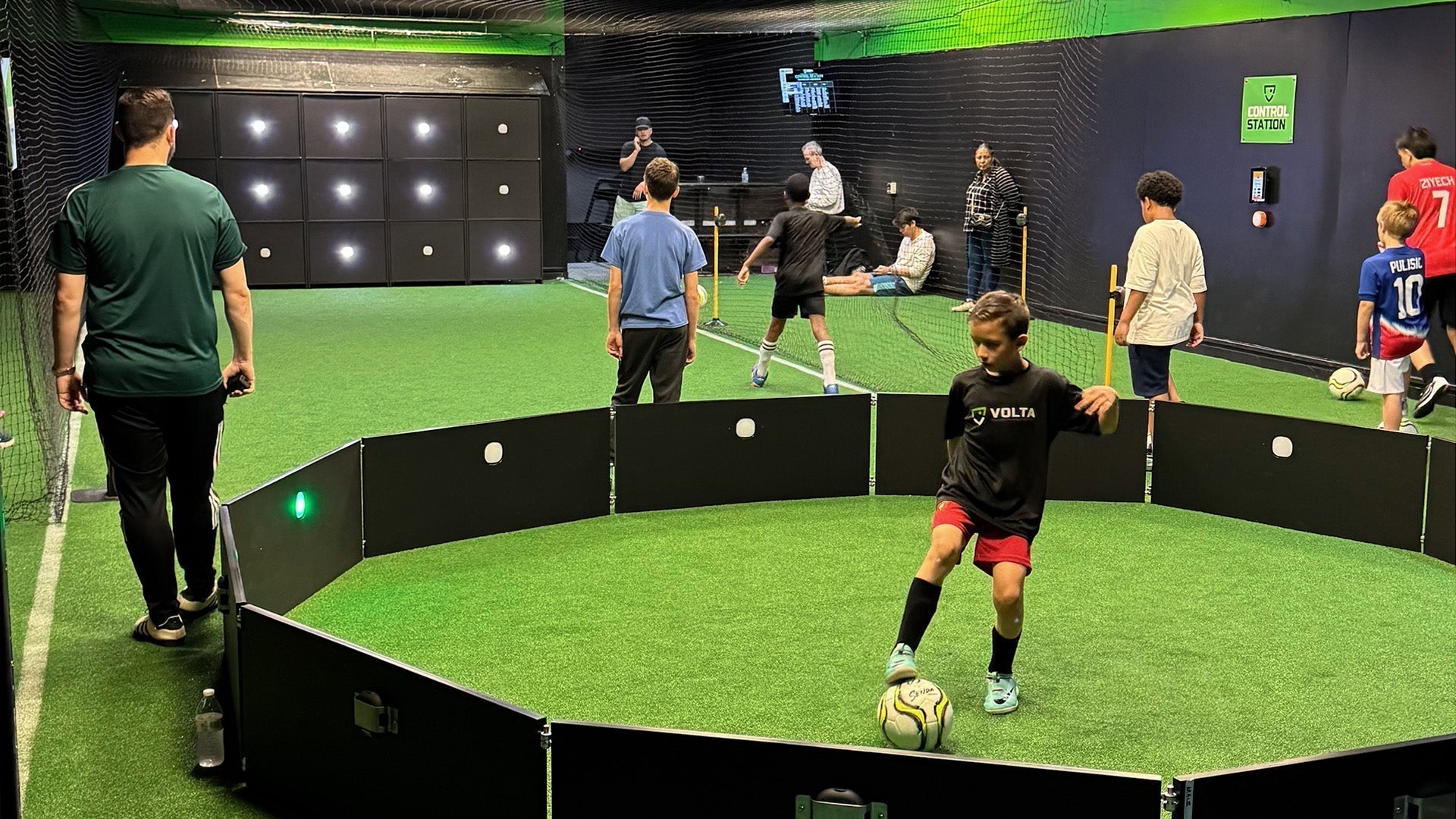
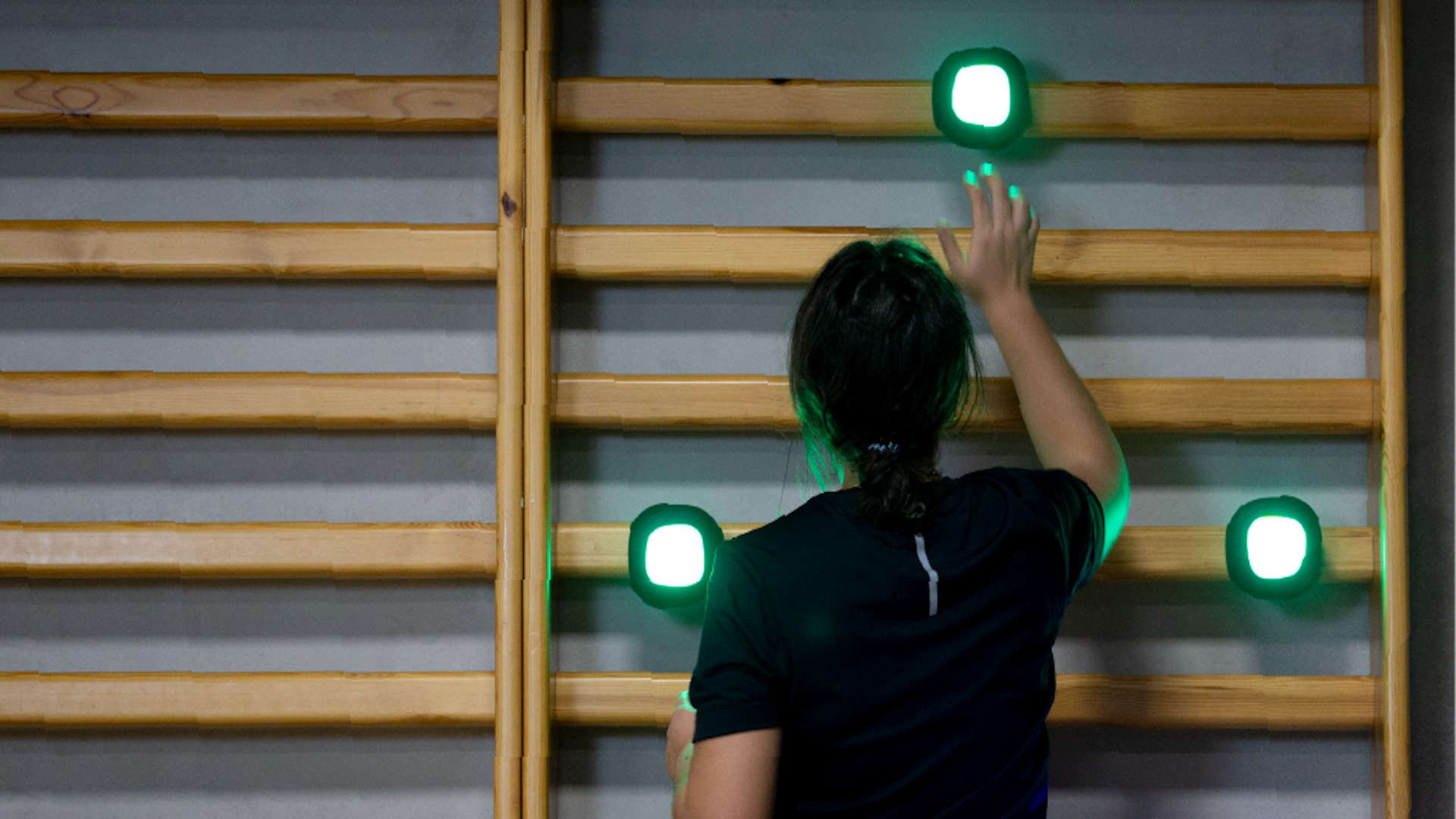
Turn recall into a trained reflex. The ROXProX runs reaction and pattern-recall challenges that strengthen working memory under real game pressure.
Explore the full A-Champs cognitive training range to sharpen mind and body together.
Benefits of Strengthening Memory in Soccer
- Faster Decision-Making: Players can quickly recall past situations and apply learned strategies in real-time.
- Improved Tactical Awareness: Recognizing patterns from training sessions helps players anticipate plays more effectively.
- Greater Confidence on the Field: Recalling successful training experiences boosts confidence during matches.
- Enhanced Skill Retention: Training methods focused on memory improvement help players retain and refine skills over time.
Conclusion
Rather than relying on the vague concept of “muscle memory,” soccer players should focus on actively improving their memory recall to enhance their performance. By integrating cognitive training techniques, repetition with variation, and strategic memory reinforcement, players can recall skills and game scenarios more effectively. Developing a strong memory for gameplay situations not only improves performance but also enables players to make better decisions, execute skills more efficiently, and stay one step ahead on the field.
Related reading: Soccer Drills to Improve Memory and Recall Skills.
FAQs
Is muscle memory real in soccer?
What players call muscle memory is really procedural memory, motor skills stored through repetition. It is real, but it works best when reinforced with varied, game-like training rather than isolated drills.
How can soccer players improve memory recall?
Effective methods include repetition with variation, visualization, contextual training, verbal cues, game-film analysis, quality sleep, and cognitive or reaction-based drills.
How does better memory improve soccer performance?
Stronger memory speeds decision-making, sharpens tactical awareness, boosts confidence, and improves skill retention, helping players apply the right technique at the right moment.
📚 This guide is part of the Cognitive Training Hub. Explore all our related guides and drills in one place.