
Multisensory training uses more than one information channel, usually visual, auditory, and tactile cues, to shape perception, decision-making, and movement tasks. In A-Champs communication, multisensory feedback is the mechanism, not the promise. The value comes from how professionals use the cues to design better cognitive-motor tasks, not from the lights, sounds or vibration in themselves.
This guide explains what multisensory feedback does, how visual, auditory and tactile cues shape a task, and why it matters most when it is tied to movement.
It is easy to be impressed by lights, sounds and vibration and to mistake them for the training itself. They are not. In Professional Cognitive-Motor Training, multisensory feedback is a mechanism: a set of tools a professional uses to present information, shape decisions and confirm movement. Understanding it this way keeps the focus where it belongs, on the perception, decision and movement the cues are there to serve.
What multisensory feedback is
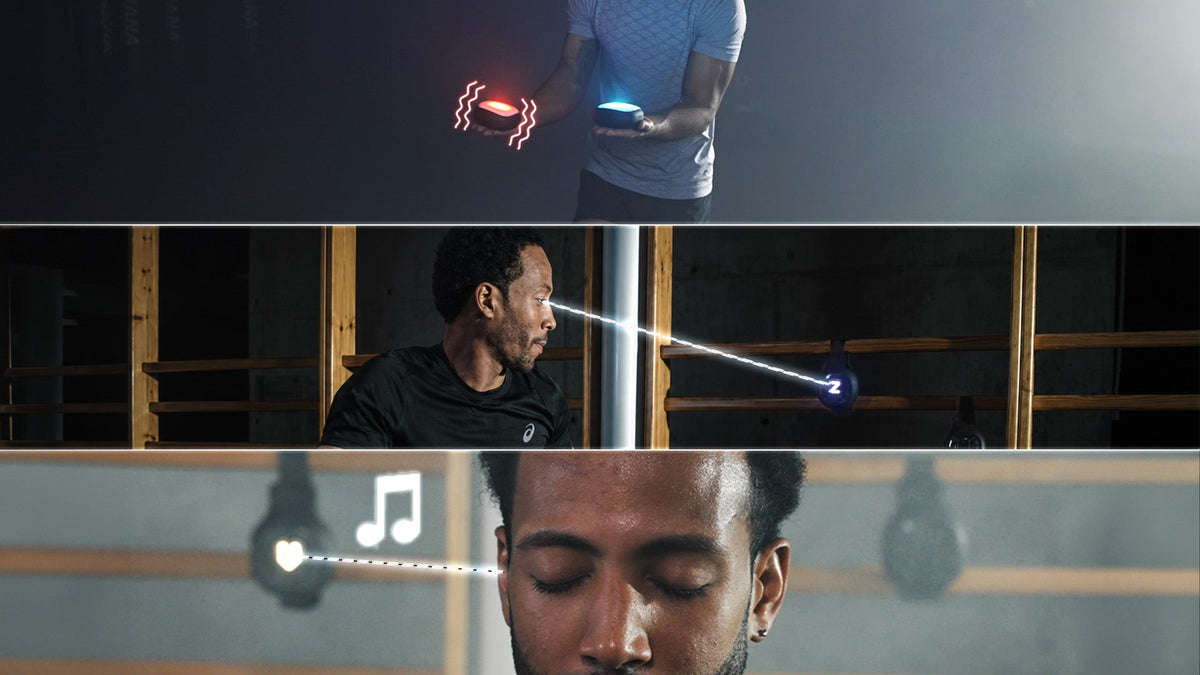
Multisensory feedback means delivering and confirming information through more than one channel. In practice that usually means visual cues such as lights and colors, auditory cues such as tones, and tactile cues such as vibration. A task can use one channel or several, and it can use them to signal a cue at the start of a response or to confirm the result at the end. The channels are the raw material; the task design is what makes them useful.

How different channels shape a task
Each channel changes what a person has to do.
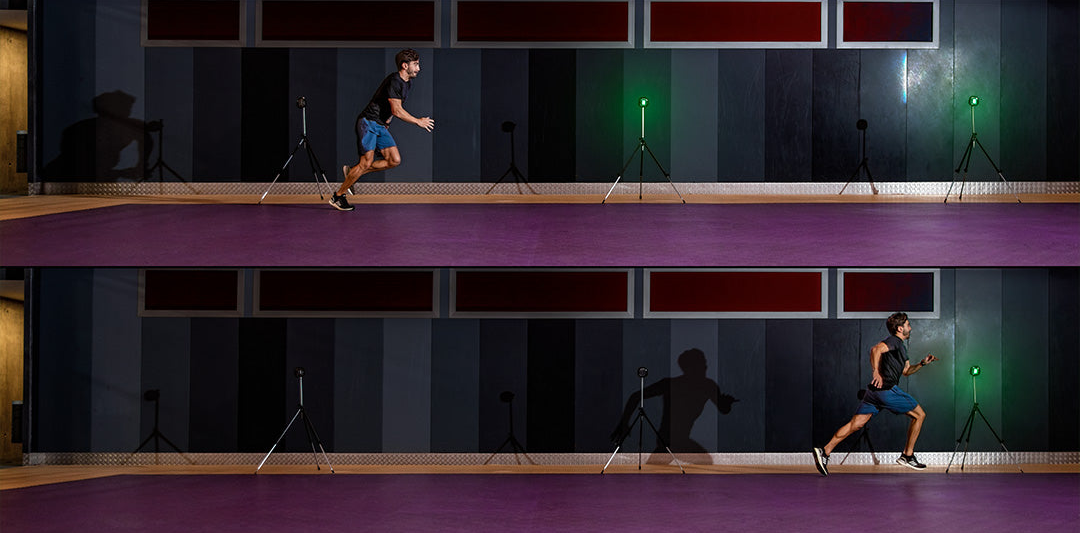
- Visual cues ask the person to look, locate and read information in space, which suits scanning, choice reaction and tasks where position and timing matter.
- Auditory cues can prompt or pace a response without requiring the person to look at the source, which is useful when the eyes are needed elsewhere.
- Tactile cues such as vibration can signal directly on the body, which can be helpful in balance and body-control contexts or when vision or hearing is not the channel a professional wants to load.
Because the channels differ, a professional can choose the one a person is best able to perceive and act on, which matters when working with different abilities, ages or attention demands.
Cue-response mapping, attention and decision-making
Multisensory feedback becomes training when it is mapped to a decision. If a green cue means one action and a blue cue means another, the person has to perceive the cue, interpret it and choose before they move. Adding a second channel, or making the mapping less predictable, raises the demand on attention and decision-making. This is how the same hardware can produce a simple reaction task for one person and a complex choice-reaction task for another: the cue-response mapping, not the device, sets the difficulty.
Balance and body-control contexts
In balance and body-control work, cues can be positioned so a person must respond while maintaining stability, and tactile or visual signals can direct attention during the task. Used this way, multisensory feedback helps a qualified professional structure and give feedback on a balance task. It is a way to design and measure the work, not a treatment in itself, and it should not be described as fixing balance or proprioception.
Controlled complexity
The reason to have several channels is control. A professional can start simple, with one clear cue and one response, then add channels, choices and timing pressure to increase complexity at the right rate. Controlled complexity is what lets one set of tools span an easy introduction and a demanding session, and multisensory feedback is one of the main dials for adjusting it.
Why it matters most when connected to movement
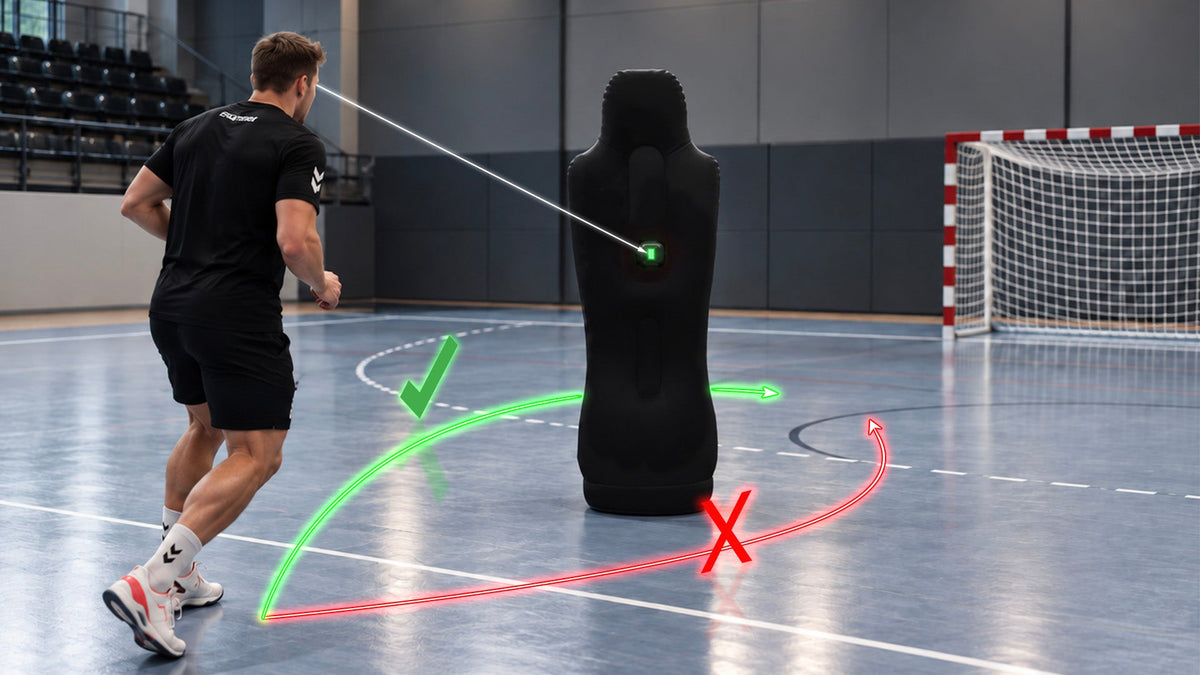
A cue that only triggers an isolated tap trains a narrow response. The same cue that requires a step, a reach, a change of direction or a controlled stop connects perception and decision back to a relevant movement, which is where the value sits. Multisensory feedback earns its place by making perception-decision-movement tasks richer and more measurable, not by being impressive on its own.
A-Champs builds this into its systems. ROXProX Laser, the flagship system, supports advanced cognitive-motor task design through touchless laser-beam sensing, LED matrix cognition, objective data, and selected multisensory cues where supported by the exercise mode. ROXPro is the clearer entry point for light, sound, and vibration feedback. In both cases the cues are the mechanism; the task is the training.
Want the full method? See how multisensory feedback fits into Professional Cognitive-Motor Training.
Or compare the flagship ROXProX Laser and the entry-point ROXPro.
For how these cues are applied across performance, neuro-athletic and rehabilitation settings, see Multisensory Cueing Explained: Better Cues, Better Task Design.
Frequently asked questions
What is multisensory training in simple terms?
It is training that uses more than one information channel, usually visual, auditory and tactile cues, to build perception, decision-making and movement tasks. The multiple cues are a mechanism for designing richer tasks, not the goal in themselves.
Why combine visual, auditory and tactile cues?
Different channels let a professional choose what a person reads and how they respond, and varying or combining cues supports attention, decision-making and cue-response mapping so the task can match the person and the setting.
Is the feedback itself the point?
No. Multisensory feedback is the mechanism, not the promise. Its value comes from how the cues connect to decisions and movement within a well-designed task.
Does vibration improve proprioception or balance on its own?
Tactile cues can be used within balance and body-control tasks designed by a qualified professional, but multisensory feedback is not a treatment and should not be described as fixing proprioception or guaranteeing better balance.
This guide is part of the Professional Cognitive-Motor Training Hub. Explore all our related guides in one place.