
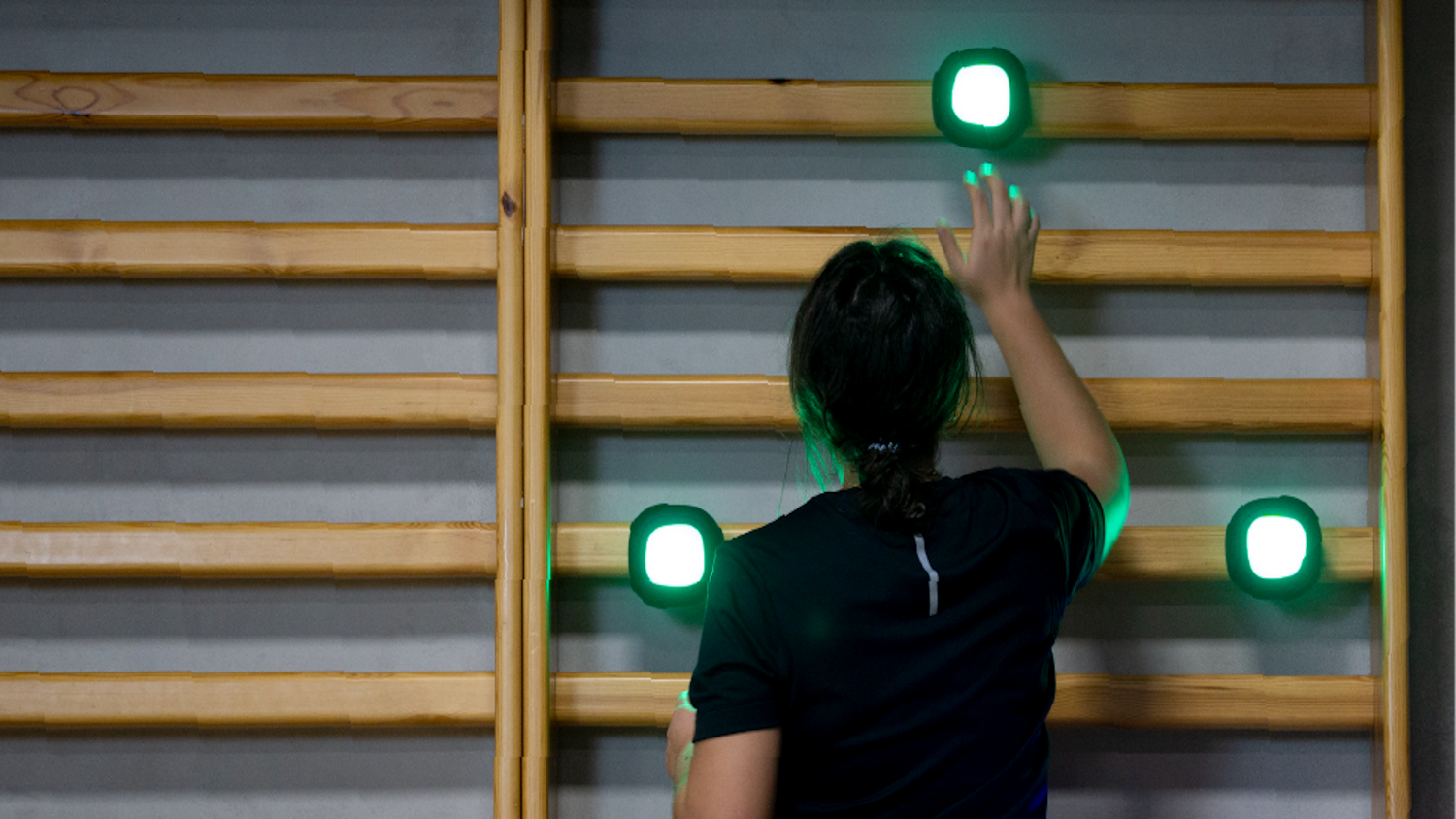

Sharpen your reactions: the same light-and-sound technology used in this study powers the ROXProX system for visual perception and reaction training.
Fast, accurate visual perception is critical for safety and success in high-stress environments. In a groundbreaking study conducted by the University of Applied Sciences for Police and Administration of Hesse, researchers investigated whether neuro athletic training—including ROXPro light and sound systems—could enhance the visual awareness and reaction capabilities of police students.

Study Overview: Can Visual Training Improve Police Performance?
Police officers are frequently required to make split-second decisions in unpredictable, high-stress scenarios. Recognizing threats early through enhanced peripheral vision and quick stimulus-response can make the difference between control and chaos. This study focused on whether neuro athletic training—specifically targeting the visual system—could significantly improve these critical cognitive-motor abilities in future police officers.
Participants and Methodology
- Participants: 18 police students, ages 20–35, from the 3rd semester of a bachelor program
- Duration: 20 weeks
- Groups: Divided into a neuro training group (n=9) and a control group (n=9)
The training group engaged in structured neuro athletic exercises focusing on visual performance. Equipment included vision sticks, strobe glasses (Senaptec), and ROXPro smart pods from A-Champs. Exercises ranged from gaze stabilization to peripheral vision drills, hand-eye coordination tasks, and reactive light/sound challenges.
Simulated Scenario Testing
Participants were tested in a controlled scenario simulating a police intervention in an apartment. They were required to:
- Verbally de-escalate a person threatening self-harm
- Simultaneously identify and name potentially dangerous objects in the environment
This dual-task measured their ability to maintain peripheral vision and situational awareness under stress—key attributes in real-life law enforcement settings.
Stimulus-Response Test
Additionally, a gym-based test using the Witty-SEM system measured reaction time. Participants had to deactivate red LED lights positioned in a circle, simulating fast physical responses to visual stimuli.
Train vision and reaction together. The ROXProX uses the same light-and-sound cues from this study to sharpen peripheral vision and response speed under pressure.
Explore the full A-Champs training range for athletes and first responders.
Key Results & Statistical Highlights
- +30% improvement in peripheral vision detection in the training group (from 43% to 74%)
- 52% to 63% improvement in control group, but with increased delay in object identification
- Time to first object recognition dropped by half—from 24.3s to 11.6s (ROX users)
- Control group worsened: Time to detect first object increased (18.2s to 25.6s)
- Stimulus-reaction test: Training group maintained consistent speed (~40.8s), while the control group slowed down (~42s)
Conclusion: ROXPro Enhances Decision Speed & Visual Awareness
The study concluded that neuro athletic training significantly enhanced peripheral perception and reaction accuracy. Students using the ROXPro light and sound system exhibited higher motivation and improved visual response, particularly in chaotic environments. These improvements not only translate to safer policing but also demonstrate how multi-sensory cognitive training tools like A-Champs ROXPro can support elite decision-making skills in law enforcement and sports alike.
Related reading: Cognitive training exercises for reaction time, sports vision training, and how reaction-time training works with smart lights.
FAQs
Who conducted this study?
The study was conducted by the University of Applied Sciences for Police and Administration of Hesse in Wiesbaden, Germany.
What is neuro athletic training?
Neuro athletic training targets the brain’s role in athletic performance—improving perception, coordination, and decision-making speed.
Why was ROXPro used?
ROXPro offers a multi-sensory experience using lights and sounds, ideal for training stimulus-response in real-world scenarios.
What skills improved most?
Peripheral vision, reaction time, and object identification under stress were the most improved metrics.
Can this training be used in other professions?
Yes, neuro athletic training with ROX is ideal for athletes, first responders, military personnel, and anyone working in high-pressure environments.
📚 This guide is part of the Rehab & Recovery Hub. Explore all our related guides and drills in one place.