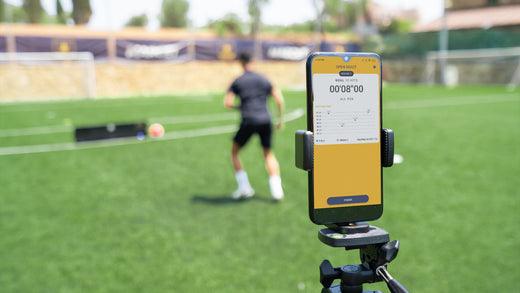

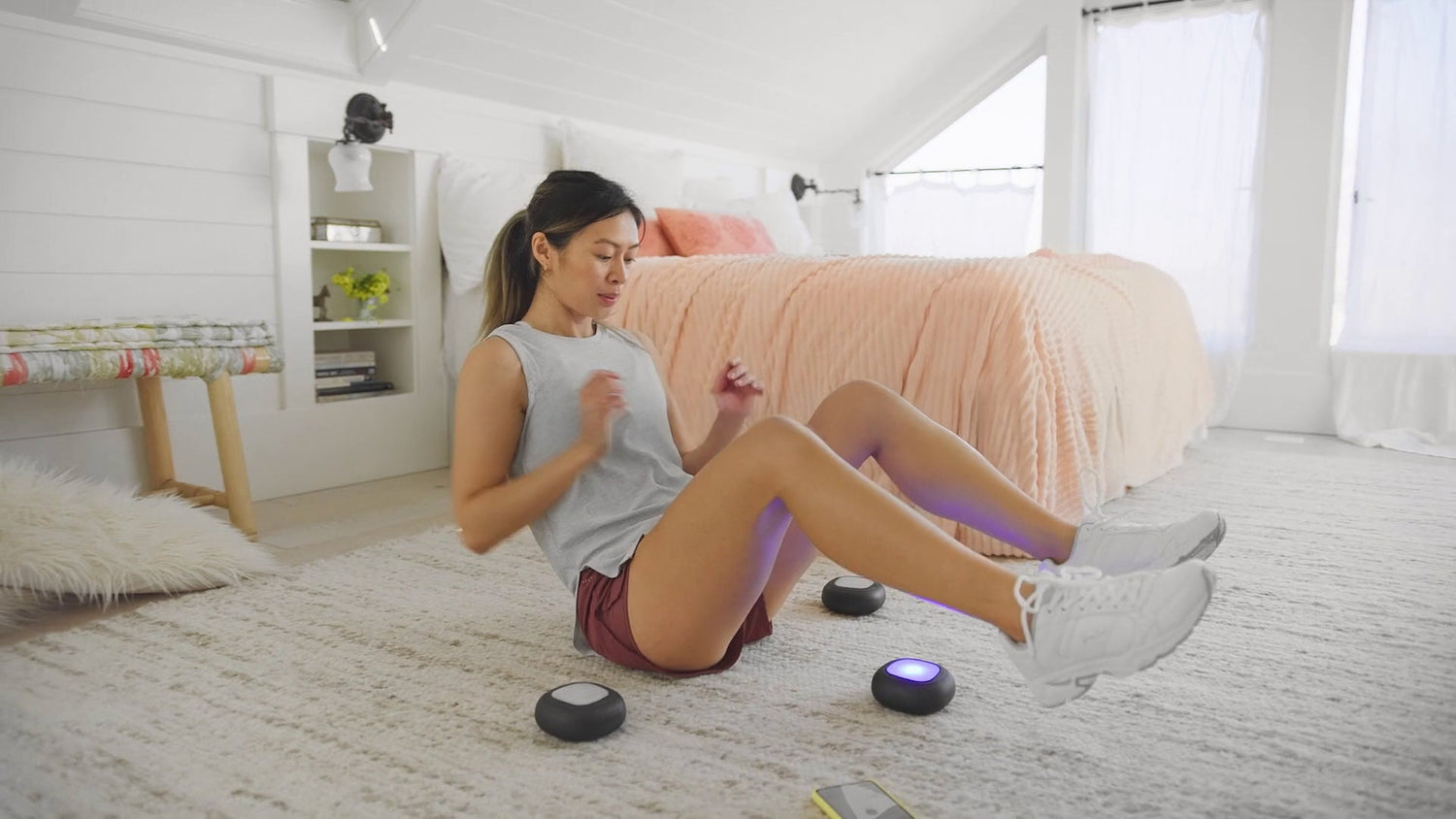

Train reactive speed, agility, and explosiveness with the ROXProX smart training system.
The Science of Speed
Speed is more than just physical—it’s neurological. Reaction time, directional changes, and explosiveness all rely on the brain-body connection. With A-Champs ROX, athletes are now training speed with more precision by integrating sensory feedback and cognitive challenges into agility and sprint drills.

Why Cognitive Input Matters for Speed
Traditional speed training focuses on mechanics: stride length, foot placement, and ground contact time. But in game situations, athletes must react to unpredictable cues. This is where reaction lights from A-Champs add game-like context to drills—training the athlete’s central nervous system to make faster decisions under pressure.
How ROX Activates the Brain-Body System
- Random Light Signals: Stimulate reactive movement for sprint starts and lateral cuts
- Multisensory Stimuli: Combine light, sound, and vibration for true neuromotor overload
- 360° Drill Design: Customize ROX layout to target sprint acceleration, agility turns, and deceleration control
Add reaction to every sprint. The ROXProX turns acceleration and agility drills into reactive, decision-driven challenges with random light cues.
Explore the full A-Champs training range to build game speed.
ROX Speed Drills
Add these three reaction-based drills to your sessions. Each uses ROX pods to turn a standard speed exercise into a game-like, decision-driven challenge.
- Reactive Sprint Starts: Place two ROX pods 8–10 metres ahead. The athlete holds an athletic stance and, the instant a pod lights, explodes into a sprint toward it. Trains first-step acceleration and reaction off a true visual cue rather than a coach’s whistle.
- Lateral Cut Shuttle: Set one pod to the left and one to the right, three to five metres apart. A random light tells the athlete which way to shuffle, plant, and drive back to the middle. Builds change-of-direction speed, deceleration, and clean re-acceleration.
- 5-Pod Agility Star: Arrange five pods in a star around a central cone. The athlete reacts to whichever pod lights up, sprinting out to deactivate it and returning to the centre before the next cue. Mixes acceleration, braking, and re-acceleration while decision-making sharpens under fatigue.
Use the ROX App to randomise cues, set work-to-rest intervals, and track reaction times so you can progress the load as athletes improve.
Related reading: How to get quicker feet, The keys to the best soccer agility training, and How to improve reaction time in sport.
FAQs
Why is reaction time important for speed and agility?
Game speed is neurological as well as physical. Athletes must react to unpredictable cues, so training the central nervous system to respond faster improves sprint starts, lateral cuts, and decision speed under pressure.
How do A-Champs ROX reaction lights improve sprint and agility training?
ROX pods deliver random light, sound, and vibration cues that force reactive sprint starts and directional changes, adding game-like context that conditions both mechanics and the brain-body connection.
Can reaction-based speed training work for any level?
Yes. ROX layouts and difficulty are adjustable, so youth, amateur, and elite athletes can target acceleration, agility turns, and reactive speed at an appropriate intensity.
📚 This guide is part of the Speed & Agility Hub. Explore all our related guides and drills in one place.