

Perceive
Read the cue, space, symbol, sound, direction, or changing condition.
Perceive what matters. Decide under pressure. Move with control. A-Champs helps professionals train this connection through Professional Cognitive-Motor Training.
Reaction time measures speed to a signal.
Reactive Intelligence connects perception, decision-making, and movement under changing conditions.
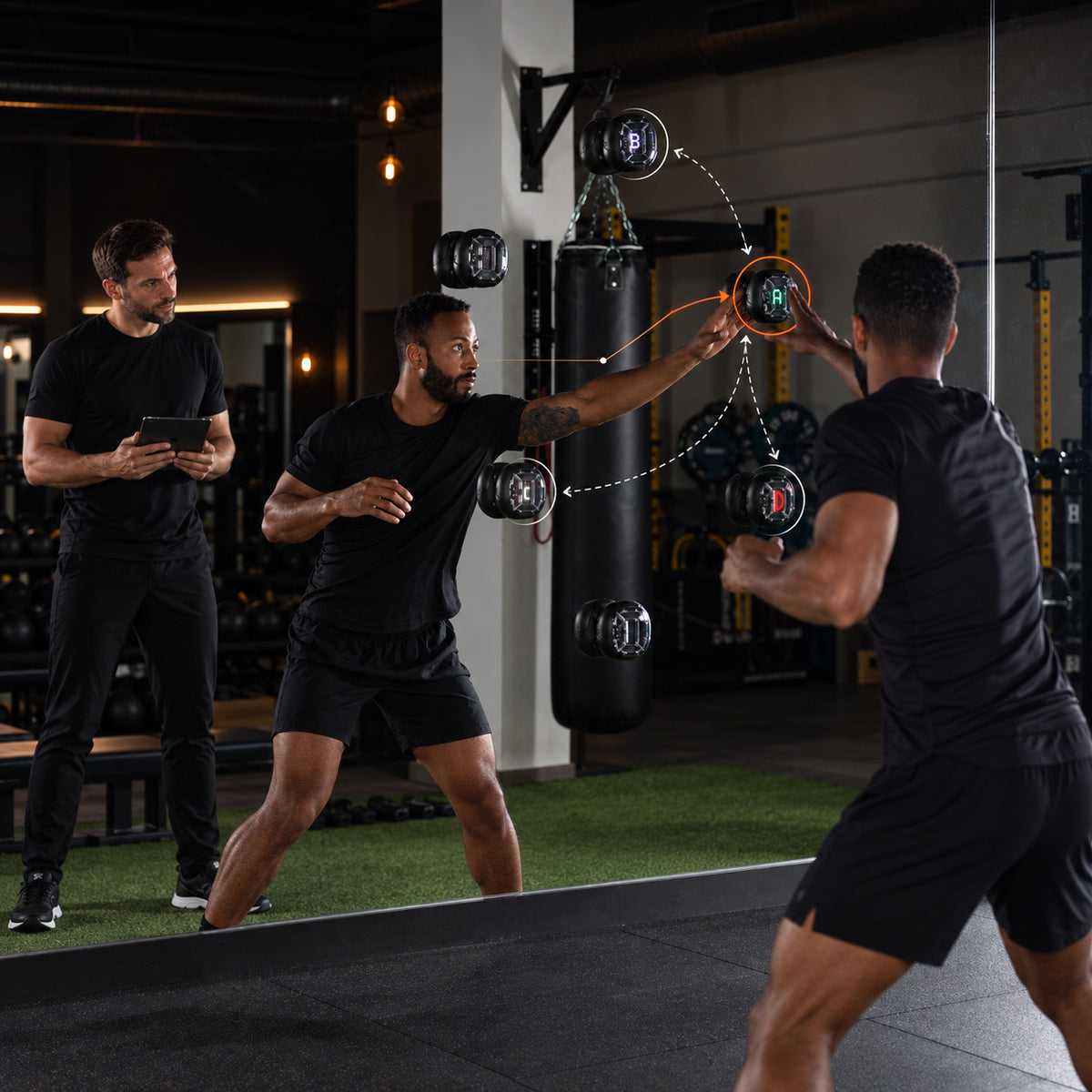
Speed, strength, technique, and repetition matter. But performance also requires people to scan, anticipate, choose, adjust, and move as conditions change.
You design tasks that connect sensory information, decisions, movement, feedback, and progression.
The objective is controlled complexity—not random stimulation.
Control the Training Demand
Human performance depends on the relationship between perception, cognition, and action. A-Champs is grounded in established scientific principles from neuroscience, motor learning, sport science, and rehabilitation.
The research supports the training rationale. It does not prove that A-Champs products guarantee performance, prevent injury, or accelerate rehabilitation.
Read the cue, environment, opponent, space, or task.
Filter what matters and select the response.
Execute with timing, control, balance, and adaptability.
Feedback and progression help you adjust the next challenge.
A cue alone is not the training. The value comes from the complete loop: perceive, decide, move, review, and progress.
Read the cue, space, symbol, sound, direction, or changing condition.
Select the response that matches the rule or goal.
Act with timing, control, balance, speed, or adaptability.
Use observation or task data to shape the next challenge.
The context changes. The core task remains: connect information, decisions, and movement under professional control.
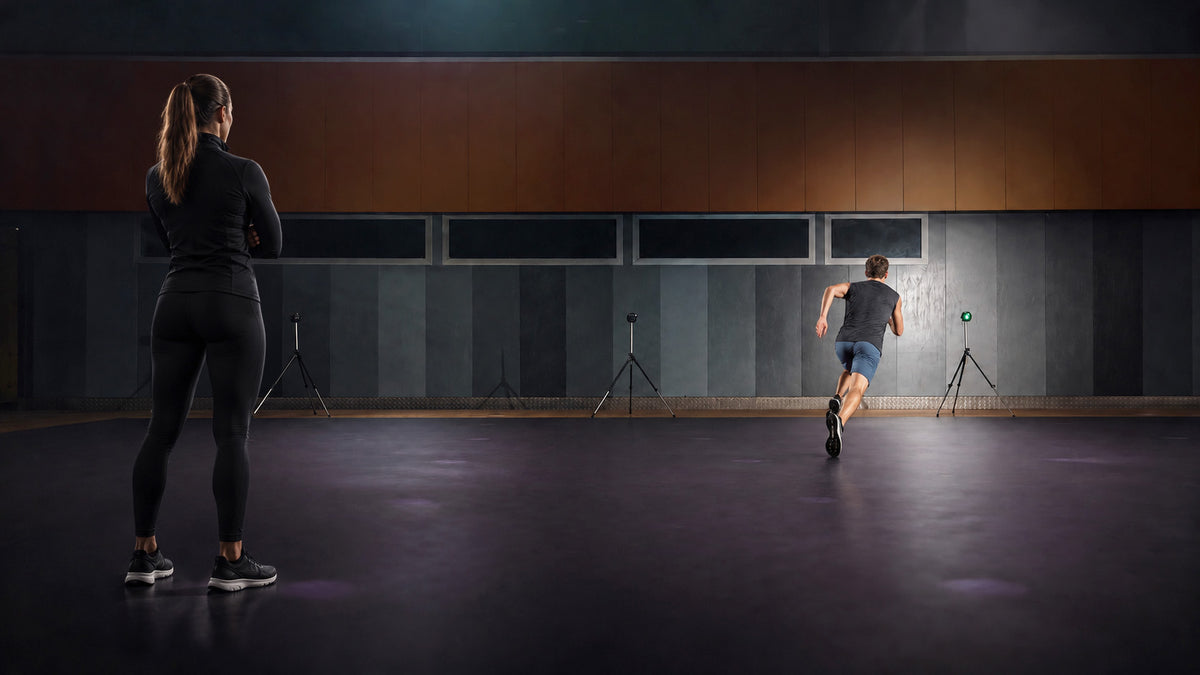
Connect speed, agility, scanning, decision-making, and movement control under changing demands.
Explore Performance Training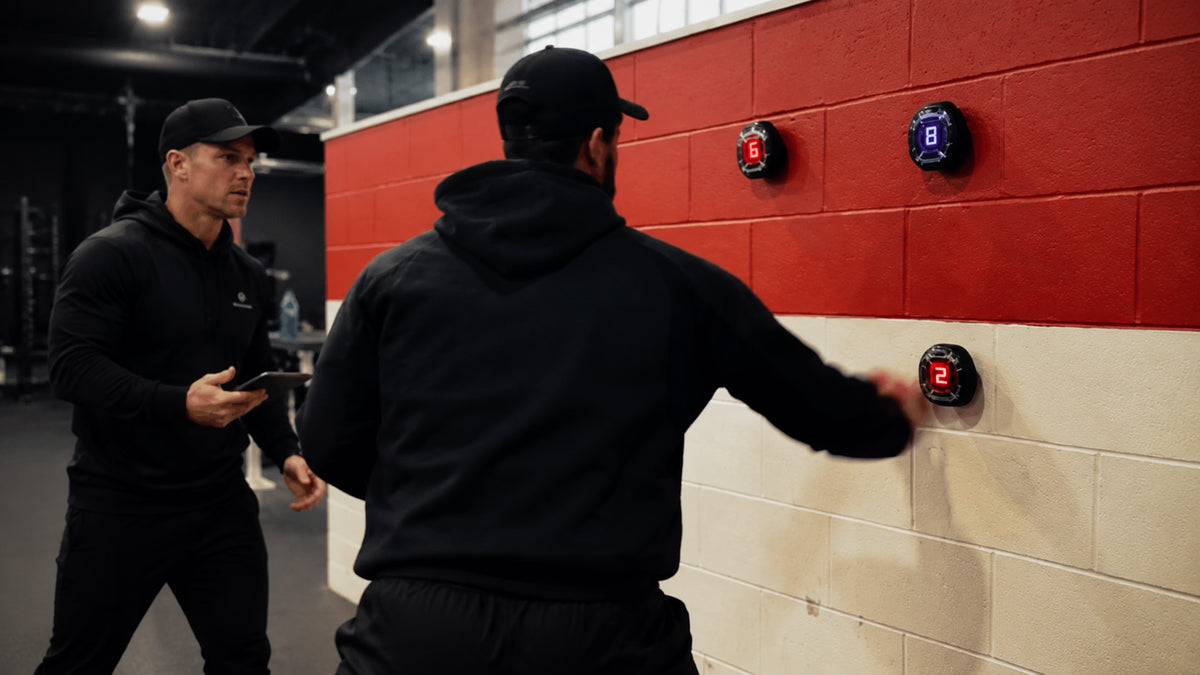
Integrate sensory input, decision-making, coordination, balance, timing, and movement.
Explore Neuro-Athletic Training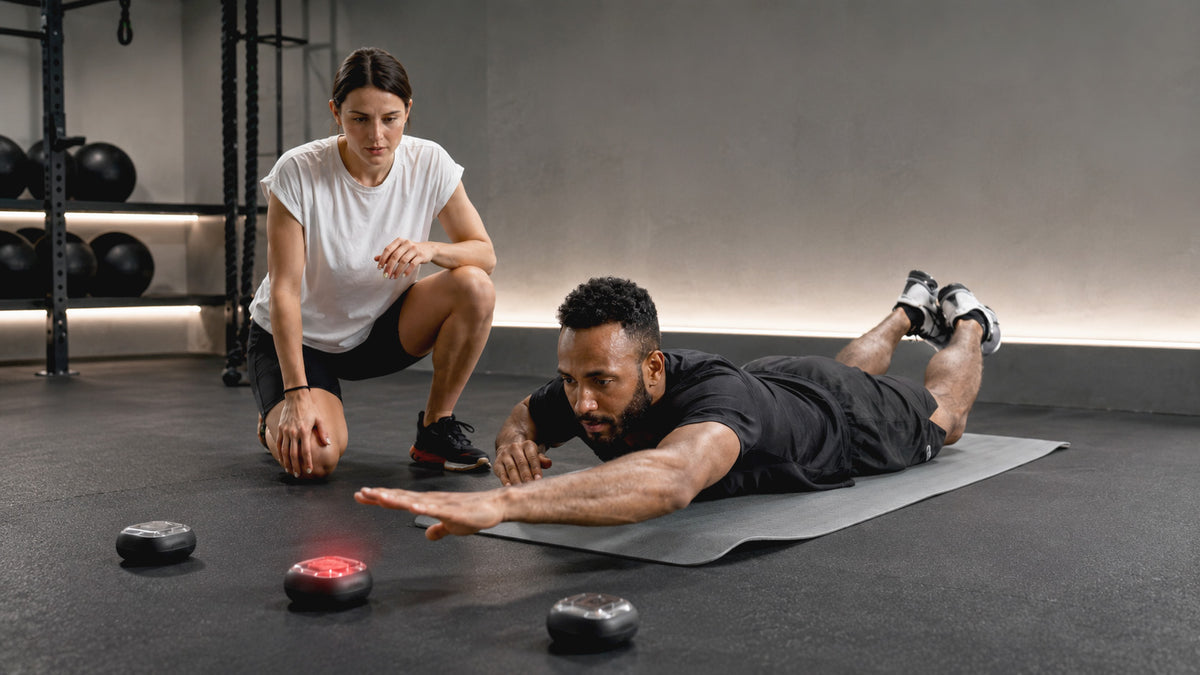
Create progressive cognitive-motor tasks involving attention, balance, stability, movement control, and changing conditions.
Explore RehabilitationA useful cue starts the task. Professional Reactive Intelligence training connects that cue to a meaningful decision, relevant movement, returned information, and structured progression.
The Professional Reactive Intelligence Training Standard
Define the cue, rule, movement, environment, and training objective.
The user perceives, decides, and moves.
Use observation, timing, scores, or task data to adjust the next challenge.
A-Champs supports this workflow with professional systems, exercise content, task setup, objective feedback, and progression tools.
You define the goal, design the task, coach the movement, and progress the challenge. A-Champs provides the systems, content, cueing, and feedback that help you put the methodology into practice.
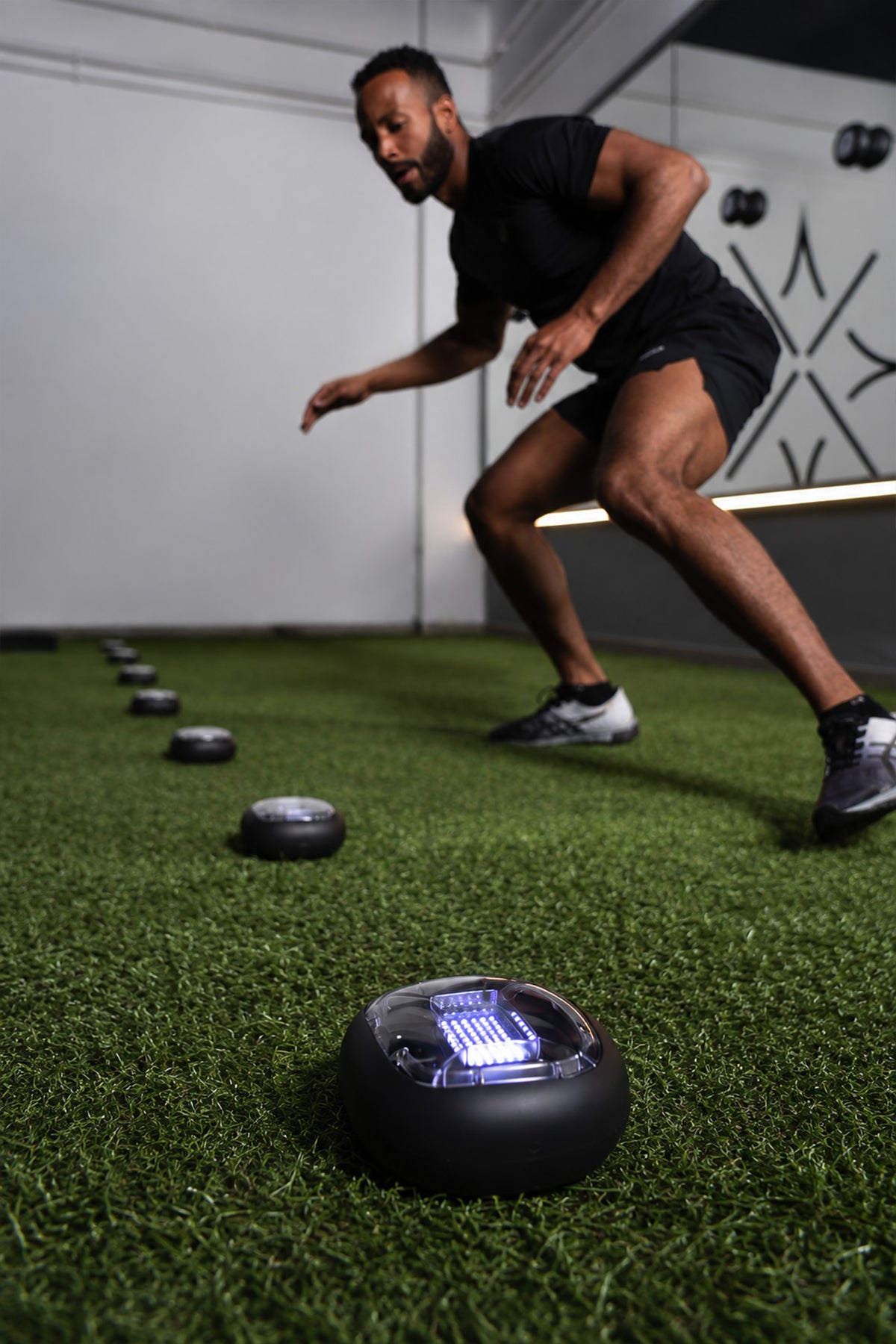
Most advanced professional system.
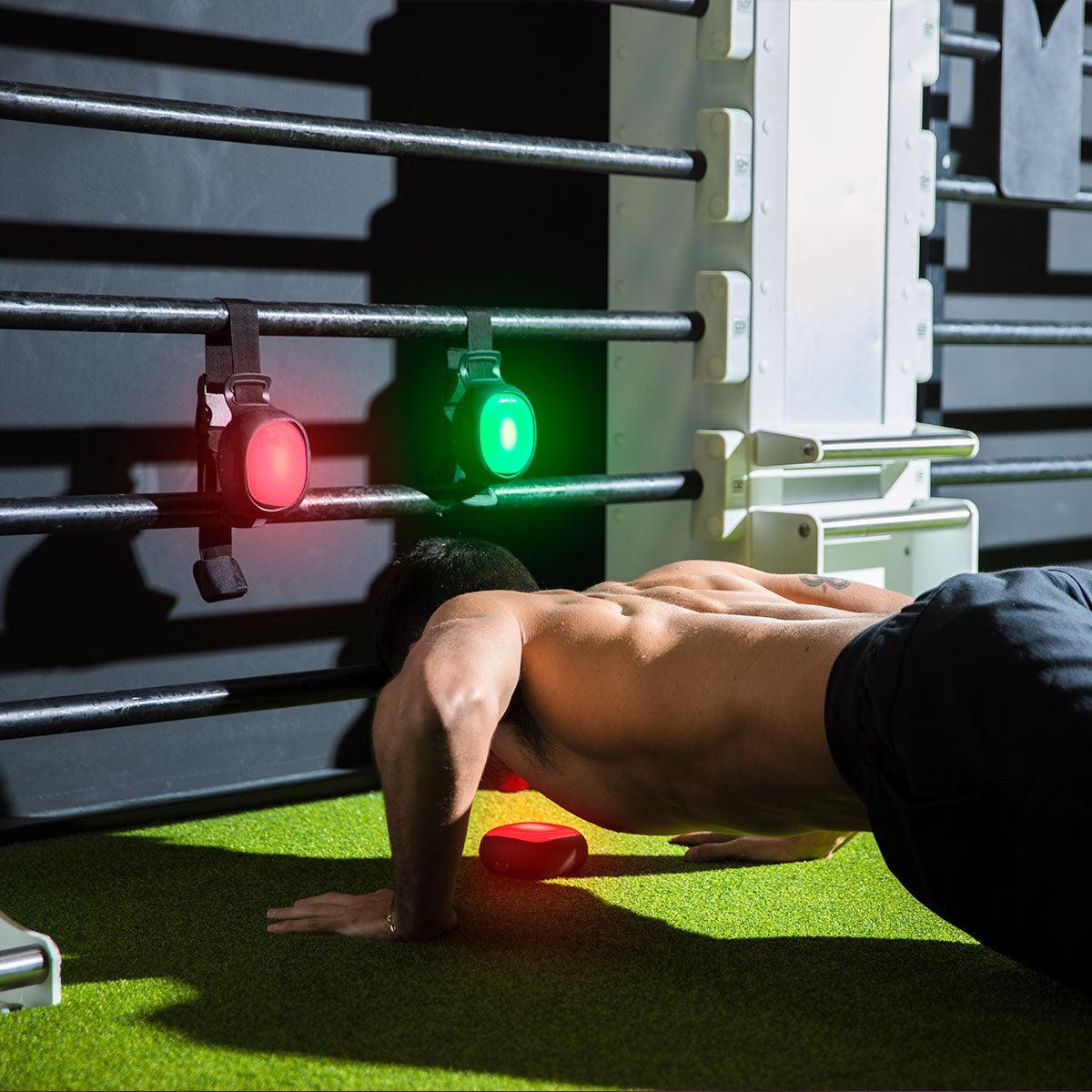
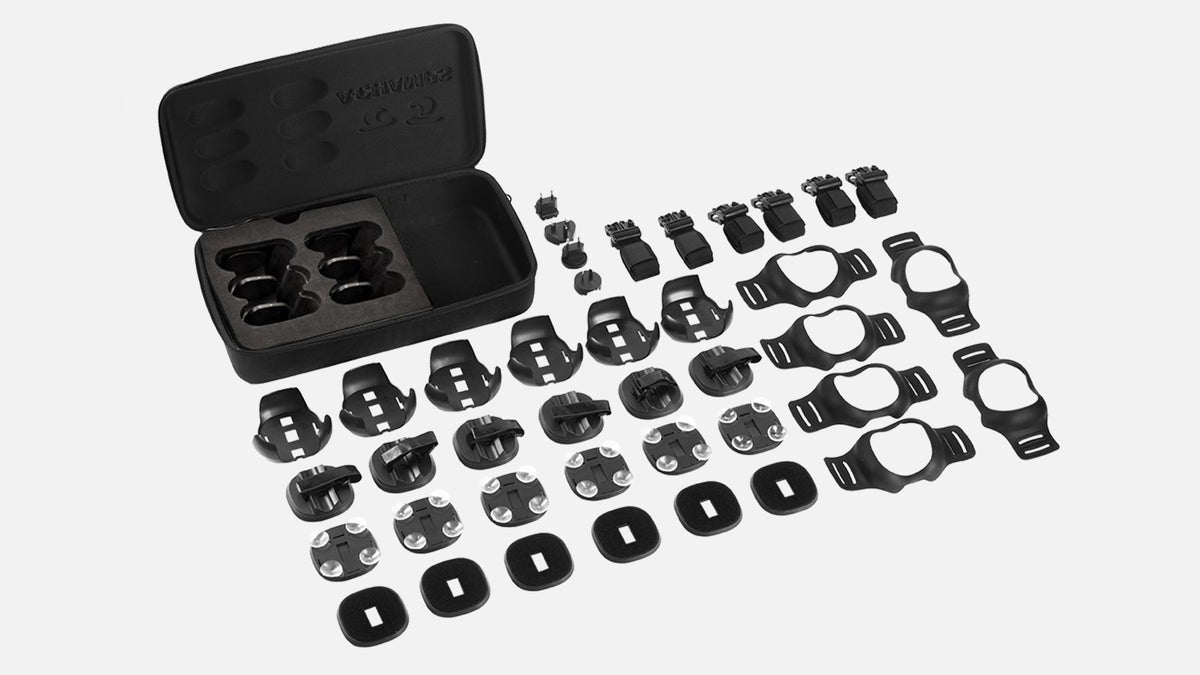
Application extenders.
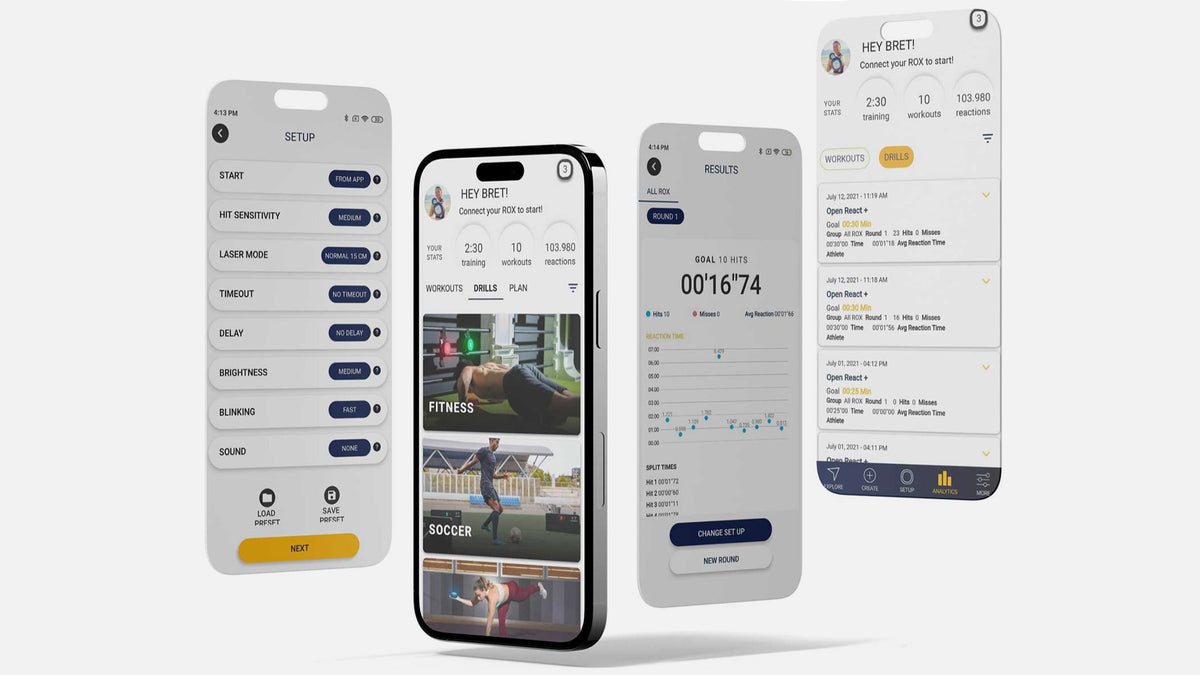
Workflow support for setup, feedback, and progression.
Explore the A-Champs Ecosystem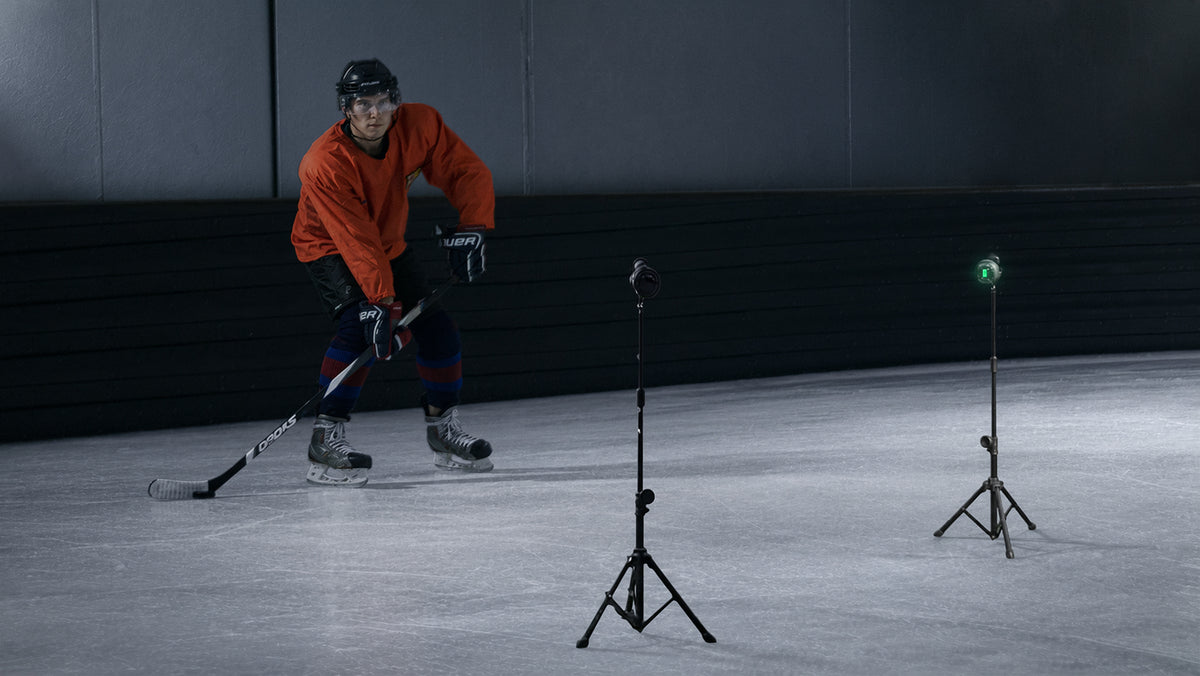
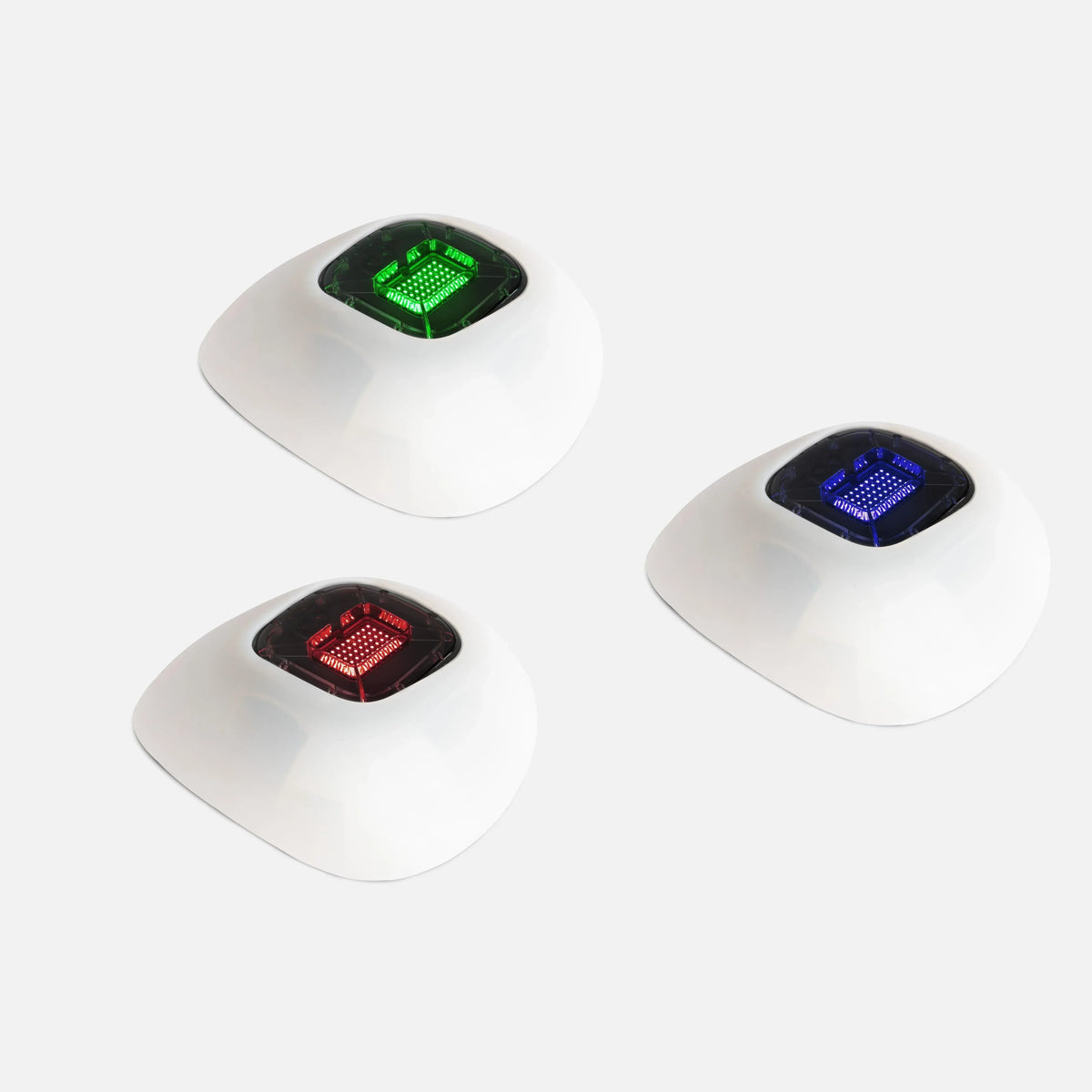
Laser-beam sensing lets users move through the task without stopping to tap a pod. The LED matrix adds letters, numbers, and symbols for deeper perception and decision demands.
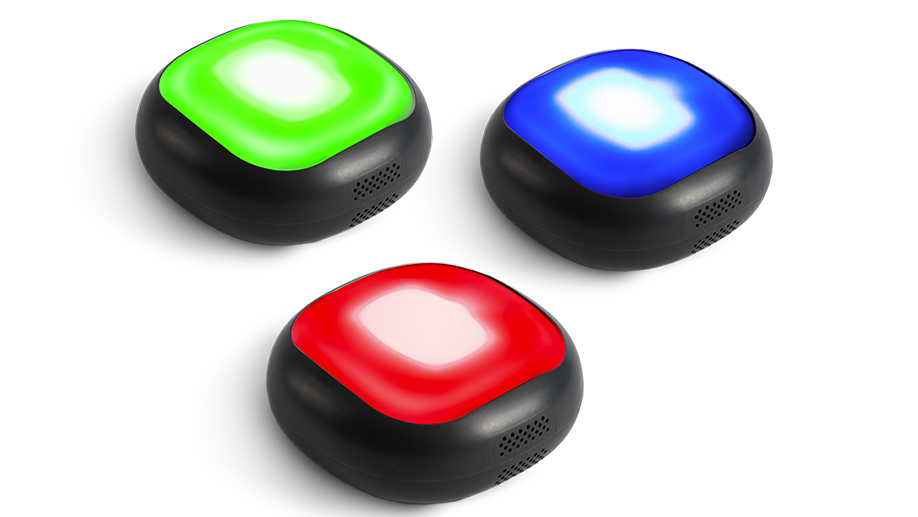
The professional entry point for structured cognitive-motor tasks, with visual, auditory, and tactile cueing plus 12 sensitivity levels for professional task control.
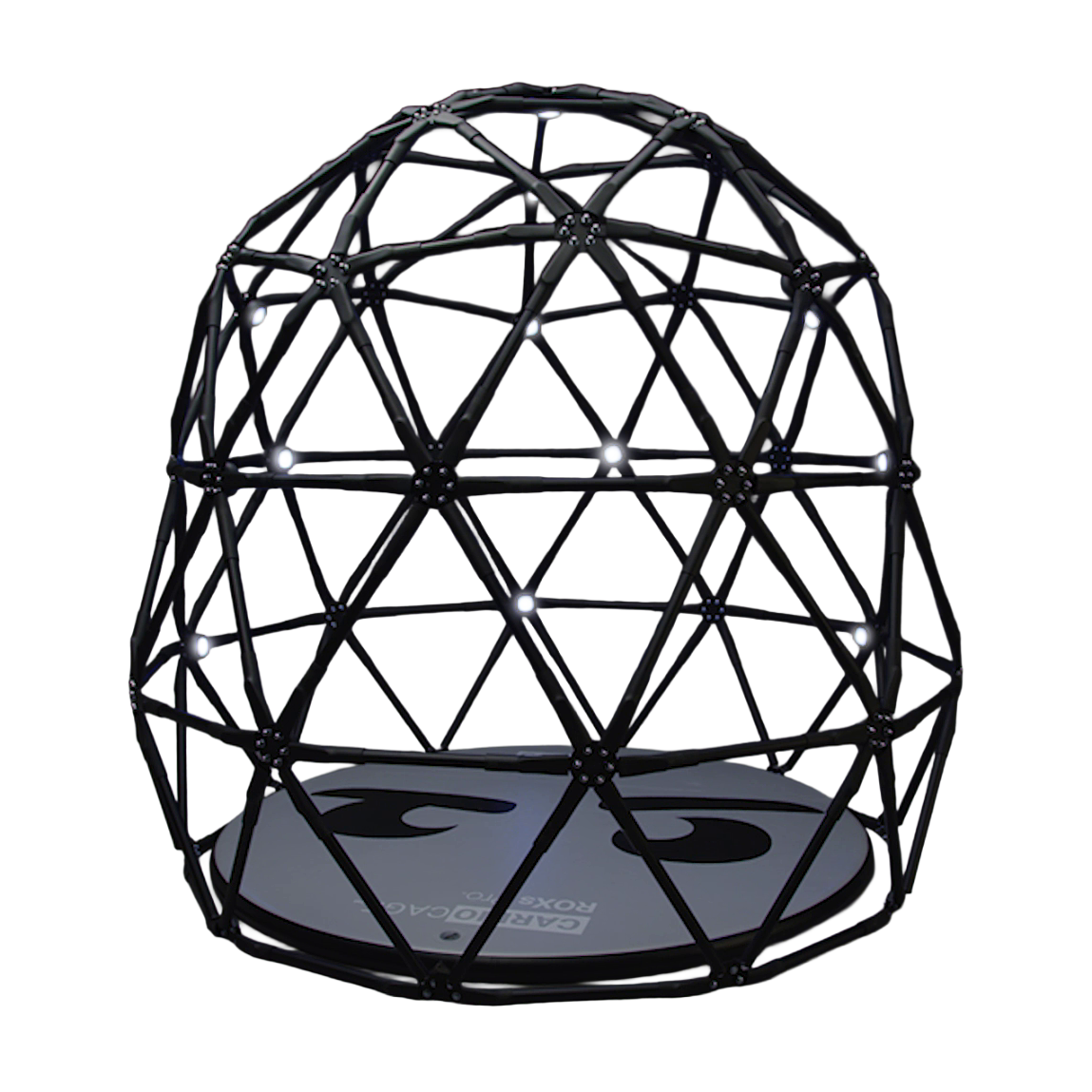
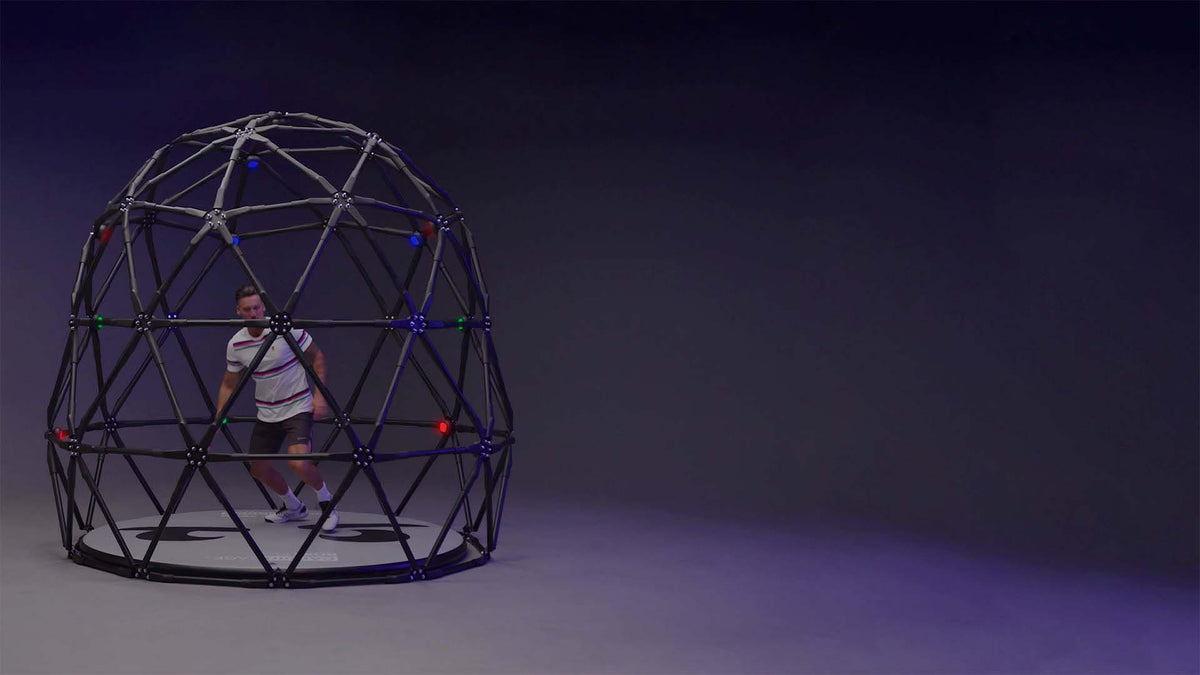
A facility-level 360° environment for whole-body, multi-directional cognitive-motor tasks.
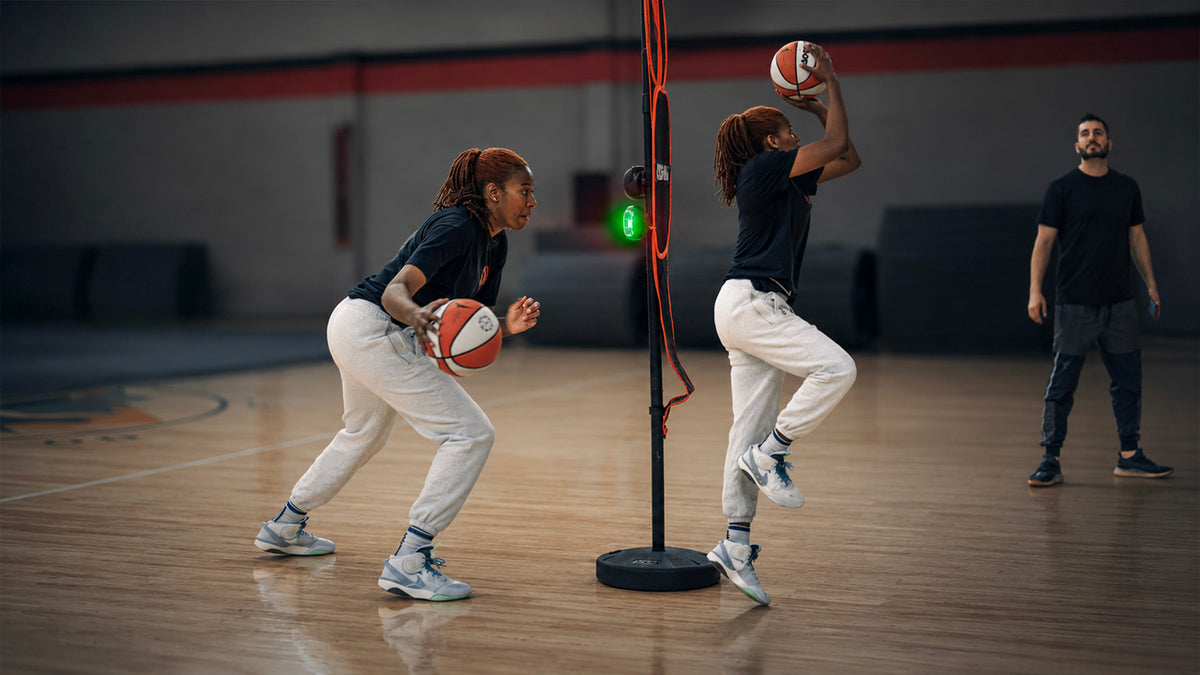
Mounts, straps, adapters, rebounders, and sport-specific extensions bring the methodology into more representative movement environments.
Reactive Intelligence is the ability to perceive information, make decisions, and move effectively under changing conditions.
No. Reaction time measures response speed. Reactive Intelligence also includes reading the situation, choosing the response, and moving with control and adaptability.
Professionals can develop it through structured cognitive-motor tasks that connect perception, decisions, movement, feedback, and progression.
It is the methodology used to develop Reactive Intelligence through structured tasks that connect sensory information, cognition, movement, feedback, and progression.
Reactive Intelligence connects information with action. Movement makes the task more representative of dynamic performance and return-to-function demands.
A-Champs is built around Professional Cognitive-Motor Training. Its systems help professionals design tasks that connect cues, decisions, movement, objective feedback, and progression.
A-Champs is grounded in established scientific principles. The available research supports the methodology’s rationale, but it does not constitute direct product-specific proof of guaranteed performance or rehabilitation outcomes.
Qualified professionals can use structured tasks that combine cues, decisions, balance, movement control, and progressive exposure to changing conditions. A-Champs does not replace clinical assessment or judgment.
Neuro-Athletic Training applies sensory and brain-body integration principles. Reactive Intelligence provides a practical Perceive → Decide → Move model for connecting them to movement.
ROXProX Laser is the most advanced professional system. ROX Touch is the professional entry point. CogniCage is the facility-level environment. Accessories extend specific applications.
Laser-beam sensing supports seamless movement through the task, while the LED matrix adds letters, numbers, and symbols for deeper perception and decision demands.
Real performance demands more than isolated speed or reaction time. It requires people to perceive what matters, decide, and move with control as conditions change.
Professional Cognitive-Motor Training is the methodology. A-Champs is the professional ecosystem that helps you apply it.