

For rehab teams: A-Champs interactive physical therapy equipment turns the neuroplasticity principles below into structured, goal-directed training.
Can the brain really rewire itself after injury? Yes—and understanding how is essential for researchers, rehab specialists, and performance trainers. In a landmark analogy from the University of Alberta, the central nervous system (CNS) is compared to a brick-and-mortar house. This metaphor, detailed in the journal Exercise and Sport Sciences Reviews, makes the concept of neuroplasticity more accessible—and more actionable.
This model helps inform the approach taken by neuromotor training systems like A-Champs ROX, which use cognitive stimulation and multi-sensory feedback to support functional recovery and neuro-adaptation.
What Is Nervous System Plasticity?
Neuroplasticity refers to the brain and spinal cord’s ability to adapt structurally and functionally after injury or training. While once believed to be largely fixed in adults, modern neuroscience proves otherwise. As shown in the work of Johannes Litwinow, structured cognitive-motor training can effectively harness this adaptive potential.

The “Building Block” Analogy Explained
The CNS is like a brick house: neurons are the bricks, and molecular structures like CSPGs (chondroitin sulfate proteoglycans) act as the mortar. After an injury, this “house” is damaged—some bricks are lost, others loosen. This creates a unique but time-limited opportunity for reorganization and recovery through task-specific training.
- Severe damage = fewer usable neurons (bricks)
- Location of injury impacts outcome more than size
- Rehab = construction crew that rebuilds intelligently
- Rebuilding window is short—timing is key
How A-Champs Leverages Neuroplasticity
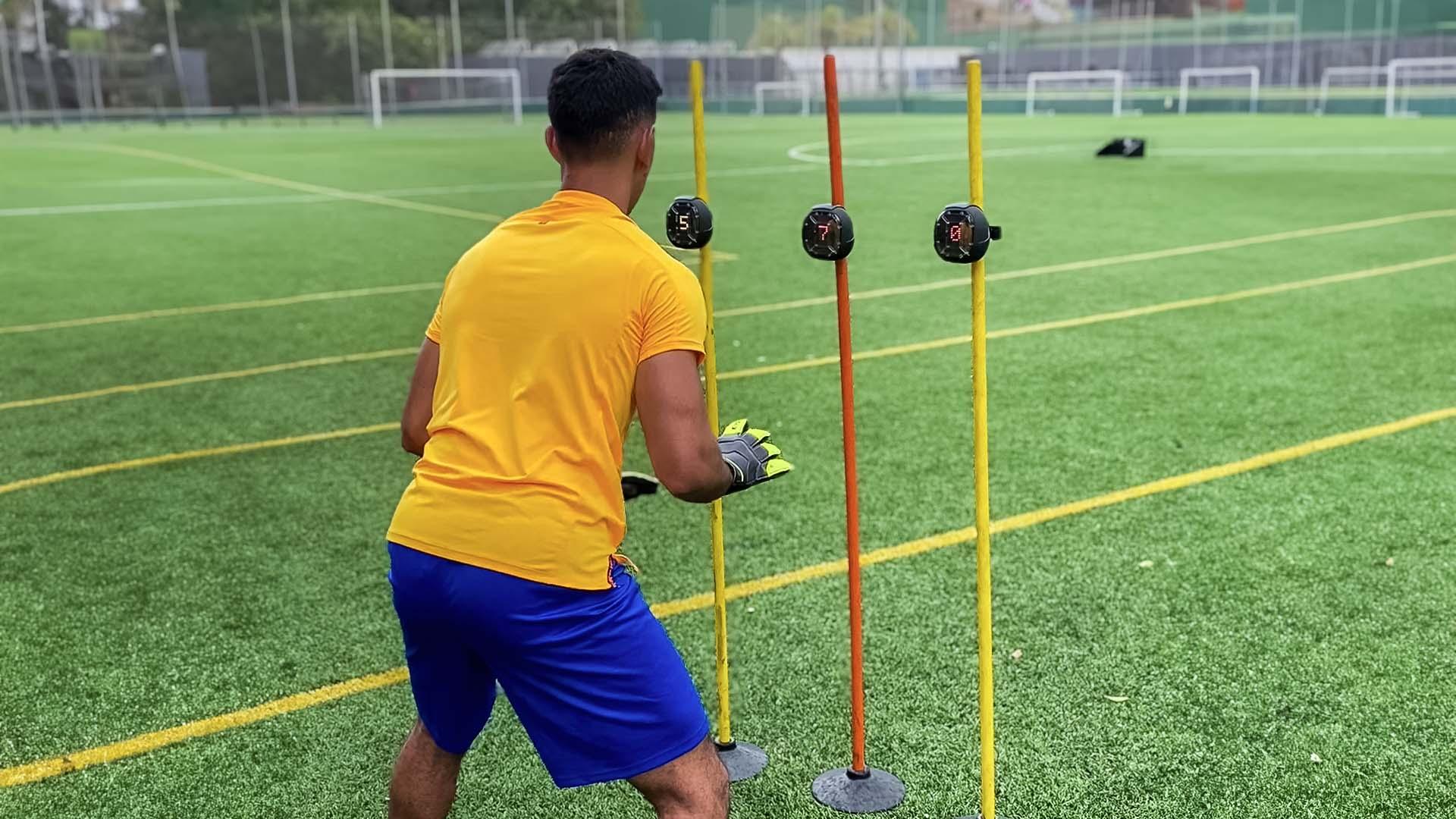
A-Champs ROX are built on this concept of functional neural rebuilding. They use randomized lights, sounds, and vibrations to stimulate the CNS in structured, adaptive training environments. These tools are ideal for cognitive-motor rehab because they challenge users to perceive, process, and react under pressure—activating the perception-action cycle at the core of neuroplastic development.
Plasticity Isn’t Always Positive
Unstructured recovery can lead to maladaptive plasticity—spasticity, pain, or improper movement patterns. That’s why A-Champs drills are designed to drive goal-directed behavior, reinforcing proper motor pathways through repetitive, gamified action.
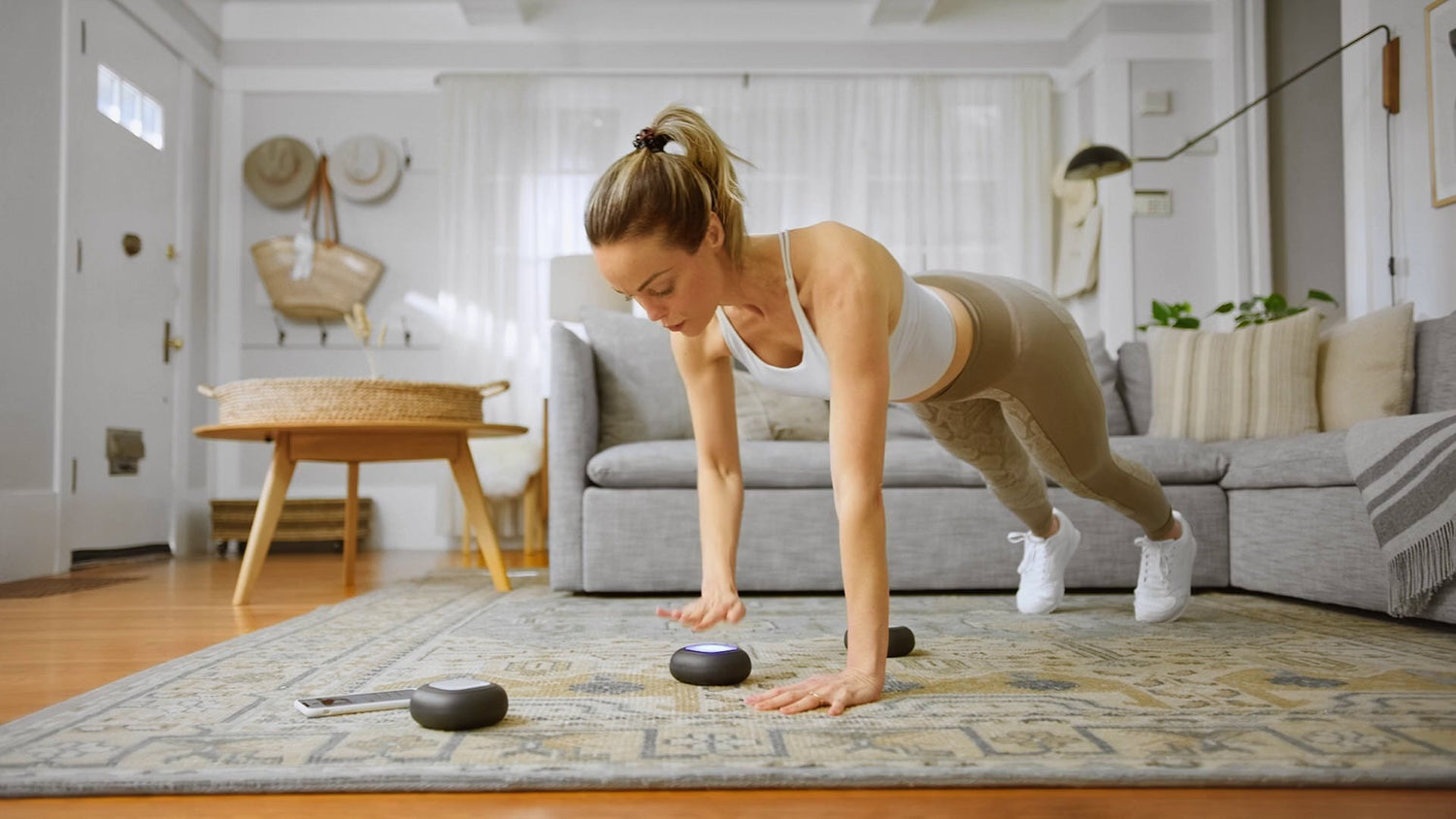
Rebuild pathways with purpose. The ROXProX drives goal-directed, multisensory drills that reinforce proper motor pathways during the critical recovery window.
Explore the full interactive physical therapy equipment range for neuro rehab.
Key Findings and Statistics
- In animal studies, task-specific training restored function in the trained behavior—but reduced performance in untrained skills.
- When a second lesion interrupted a newly formed connection, recovery disappeared—highlighting the fragility of new circuits.
- Staggered spinal injuries showed better functional recovery than simultaneous injuries, emphasizing the importance of training sequencing.
Takeaways for Practitioners
- Start rehab early to leverage peak plasticity periods
- Use tools like ROX to pair sensory input with motor action
- Track metrics to individualize rehab intensity and progression
- Emphasize multisensory input to engage more neural pathways
Related reading: The science of neuroplasticity in ROX training, post-COVID rehab using ROXProX, and a smart return-to-play framework.
FAQs
What is neuroplasticity?
It’s the brain’s ability to rewire itself in response to injury, learning, or structured training—like with A-Champs smart pods.
How does A-Champs support recovery?
By delivering unpredictable light, sound, and vibration stimuli that encourage real-time perception, decision-making, and reaction.
What’s the best time to start rehab?
Immediately after injury, when the nervous system is most plastic. Tools like ROX can maximize gains in this period.
Can plasticity go wrong?
Yes. Without guided training, the nervous system may reinforce compensations instead of restoring optimal function.
Are A-Champs tools backed by research?
Yes. They’ve been used in rehabilitation and neuro-cognitive research across Europe and North America with positive outcomes.
📚 This guide is part of the Rehab & Recovery Hub. Explore all our related guides and drills in one place.