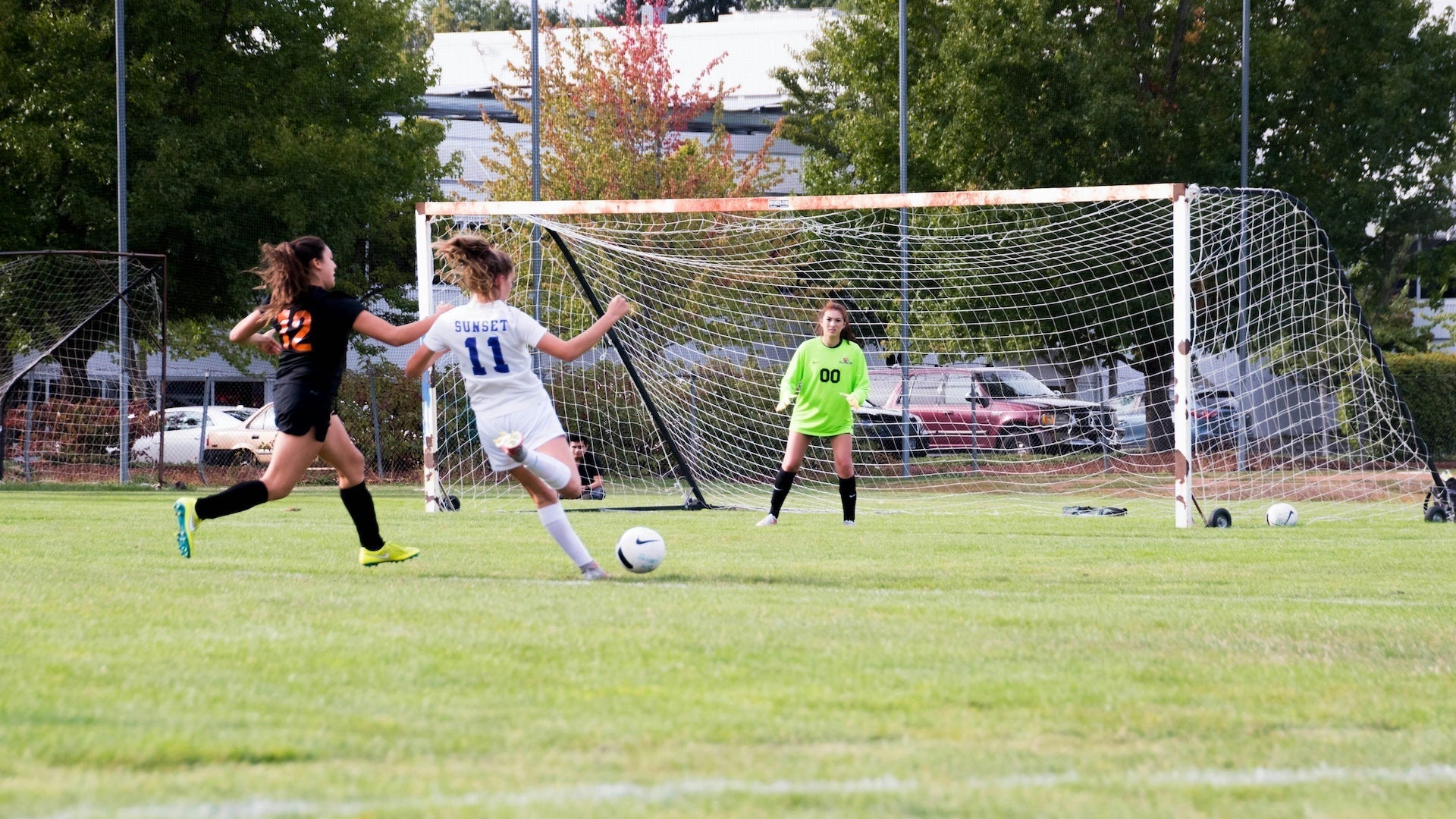

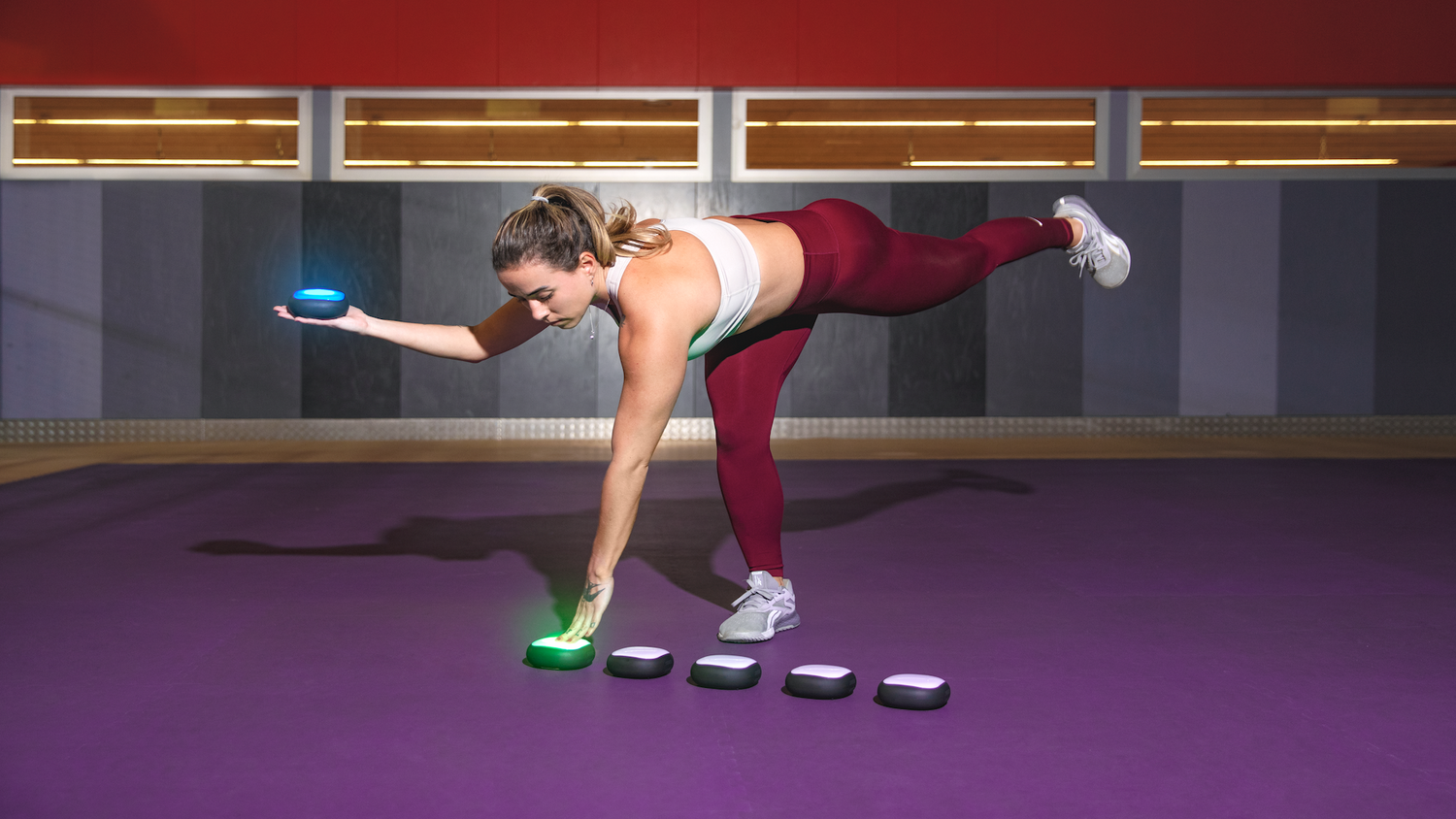

Train like the research: the ROXProX system puts the perception-action drills described below into the hands of athletes, coaches, and clinicians.
Neuroplasticity—the brain's ability to rewire itself—isn’t just relevant in rehabilitation. It’s a cornerstone of modern athletic performance. A-Champs harnesses this scientific principle with smart training technology to help athletes improve reaction time, coordination, and mental agility through targeted, sensory-rich workouts.
What Is Neuroplasticity and Why It Matters in Sport?
Neuroplasticity refers to the brain and nervous system's ability to reorganize and strengthen connections in response to experience. In sports, this means faster decision-making, improved reflexes, and better motor control under pressure. Studies in motor learning and performance science show that neuroplastic adaptations occur not only after injury but also through intense, focused training environments.
This foundational concept is supported by the work of Johannes Litwinow, a professor at University of Leipzig and contributor to the A-Champs Science Framework. His research underpins the integration of dual-task cognitive load, sensory stimuli, and neuro-motor synchronization in A-Champs smart training protocols.
The A-Champs Training Model: Activating the Perception-Action Cycle
At the heart of A-Champs is the perception-action cycle: a process where athletes perceive stimuli, process it cognitively, and execute a physical response. ROX devices flash lights, emit sounds, and provide vibratory cues that simulate chaotic, real-game conditions—engaging the brain and body simultaneously to reinforce high-speed neural pathways.
- Visual and auditory integration for sensory cross-training
- Randomized cue sequences that reduce predictability and demand adaptation
- Gamified repetition to promote engagement and motor learning

Key Benefits of Neuroplastic Training with A-Champs
- Improved response latency: ROX-trained users reduced reaction times by over 200 ms across training phases (A-Champs data)
- Motor-skill resilience: Athletes maintained sharper cognitive-motor responses under fatigue
- Performance gains: Teams using ROX showed up to 28% improvement in decision speed during dynamic drills
Put neuroplasticity to work. The ROXProX drives the perception-action cycle with randomized light, sound and vibration cues that build faster neural pathways.
Explore the full A-Champs training range for performance and recovery.
Applications in Recovery and Elite Performance
While originally developed for injury recovery, A-Champs tools are now used by elite teams, sports scientists, and rehab clinics worldwide. The ability to activate the brain’s plasticity through dual-tasking exercises has shown promising outcomes for:
- Concussion recovery and cognitive re-engagement
- Agility and speed development
- Post-fatigue stability and coordination
Building Smarter Athletes Through Neuroplastic Drills
Here’s how to start integrating neuroplastic-focused drills into training with A-Champs:
- Light-and-touch sequences: Players respond to randomly placed pods by executing a cognitive task before physical contact
- Audio-response drills: Directional cues force reaction based on sound rather than sight
- Dual-task combinations: Integrate memory or math challenges during sprint or footwork routines

Conclusion: Train the Brain, Elevate the Game
Neuroplasticity isn’t just a theory—it’s a tool. With A-Champs, athletes can push beyond traditional physical training to develop smarter, faster, more adaptable brains. Whether recovering from injury or building elite performance, ROX systems are designed to deliver measurable cognitive and physical benefits through scientifically grounded principles.
FAQs
What role does sensory input play in brain training?
Multi-sensory inputs—like those delivered by light, sound, and vibration in A-Champs ROX tools—stimulate different areas of the brain, enhancing neural connectivity and learning efficiency.
Can neuroplasticity improve reaction time in athletes?
Yes. Neuroplasticity enhances brain efficiency, which can reduce decision latency and improve movement execution under pressure.
How does ROX training differ from traditional cognitive drills?
ROX drills incorporate real-time, randomized stimuli that mirror game-day unpredictability—creating a higher cognitive load and more robust training adaptations.
Who benefits most from neuroplasticity-based training?
Everyone—from elite athletes and youth players to rehab patients—can benefit. A-Champs tools adapt to the user's level, maximizing individual development.
Is there scientific evidence supporting this type of training?
Yes. Peer-reviewed research supports cognitive-motor training for performance enhancement and injury prevention. A-Champs systems are grounded in this evidence-based approach.
Can I download the work of Professor Johannes Litwinow referenced here?
The work referenced here is part of Professor Johannes Litwinow’s broader academic research. For download requests or more information, please email hey@a-champs.com.
Related reading: Post-COVID rehab using ROXProX, building the nervous system back after injury, and reaction time: the cutting-edge of athletic training.
📚 This guide is part of the Cognitive Training Hub. Explore all our related guides and drills in one place.