

Train the skill directly: the A-Champs ROXPRO system uses light and sound cues to build 360° scanning, faster reactions and smarter spatial decisions.
In today’s game, soccer players must make split-second decisions. It's not just about ball control or speed—spatial awareness is what separates average players from great ones.
Coaches often miss the signs. Players often don’t know what’s holding them back. Here are 5 key signs of poor spatial awareness—and how to fix each one with smart training strategies.
“Spatial awareness is a trainable skill. Without it, even the best physical athletes will underperform.”
— Dr. Joan Vickers, creator of the “Quiet Eye” technique in elite sports
According to research by the German Sports University Cologne, elite soccer players scan the field up to 6 times every 10 seconds—compared to just 3 times for amateurs.

1. Late Reactions to the Game Around Them
What You Notice: They respond too slowly to runs, passes, or pressure.
Why It Happens: Their brain isn’t processing space and movement fast enough.
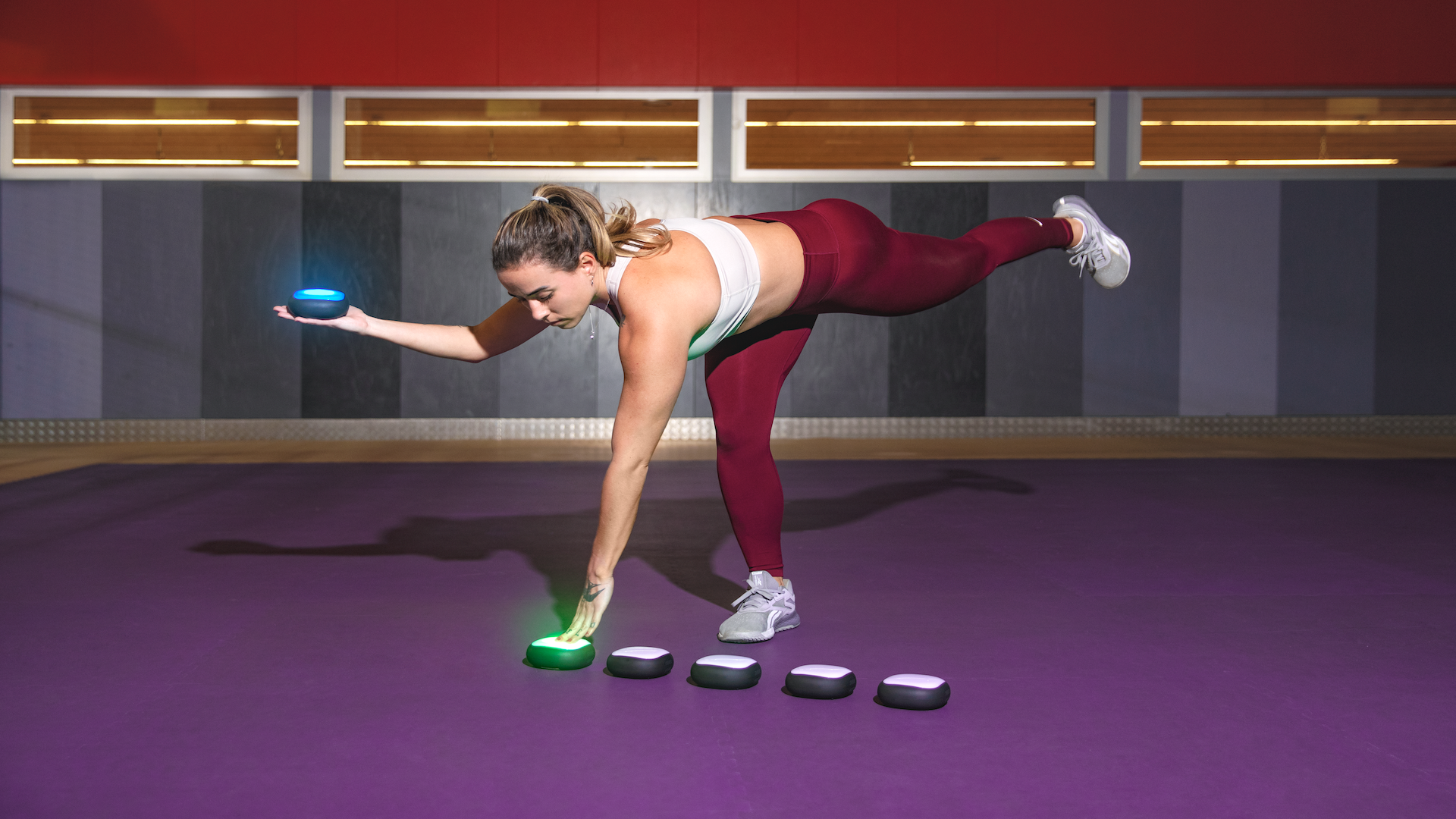
How to Fix It: Use drills with light and sound cues to force quick reactions. ROX by A-Champs helps players train 360° awareness with real-time decisions.
2. Poor Off-the-Ball Positioning
What You Notice: They drift into bad positions or fail to support teammates.
Why It Happens: Weak awareness of team shape, space, and opponent movement.
How to Fix It: Run small-sided games that demand constant scanning. Use unpredictable cues like lights or coach signals to guide repositioning.
See space sooner. The ROXProX trains 360° scanning and faster spatial decisions with reactive light and sound cues.
Explore the full A-Champs training range to build soccer IQ.
3. Always Looking Down at the Ball
What You Notice: Head-down dribbling, missed passes, and poor field vision.
Why It Happens: Lack of confidence and scanning habits.
How to Fix It: Train with scanning cues. Add visual or audio prompts before receiving the ball to develop head-up play.
4. Frequent Turnovers in Crowded Areas
What You Notice: The player dribbles into pressure or loses possession in tight spaces.
Why It Happens: Poor field awareness and anticipation.
How to Fix It: Use zone-based drills with reactive movement. ROX encourages players to recognize and move into open space.
5. Hesitation in Passing or Shooting
What You Notice: They pause too long before passing, shooting, or moving.
Why It Happens: Slow processing and lack of confidence.
How to Fix It: Use timed drills with light or sound triggers. ROX can simulate pressure and force fast, accurate decision-making.
“The best athletes are not the fastest or the strongest—they’re the ones who see and process space quicker than anyone else.”
— Dr. Leonard Zaichkowsky, sports psychologist & author of The Playmaker’s Advantage
Conclusion
Spatial awareness is not a bonus—it’s the foundation of soccer IQ. With the right drills, visual cues, and smart tech like ROX, players can react quicker, move smarter, and play with greater confidence.
Related reading: What is spatial awareness in soccer? and Scanning in soccer.
FAQs
What is spatial awareness in soccer?
Spatial awareness is a player's ability to perceive their surroundings, including teammates, opponents, and available space, in real time. It's key to better decision-making and positioning.
Can spatial awareness be trained?
Yes. With drills that require scanning, reacting to cues, and adapting movement, players can significantly improve their spatial awareness on the field.
What tools can help improve soccer spatial awareness?
Tools from A-Champs combine light, sound, and vibration to simulate real-game stimuli, helping players train perception and movement under pressure.
At what age should players start training spatial awareness?
As early as 7–8 years old. Building awareness early helps players develop smart habits that carry through to higher levels of play.
📚 This guide is part of the Soccer Scanning Hub. Explore all our related guides and drills in one place.