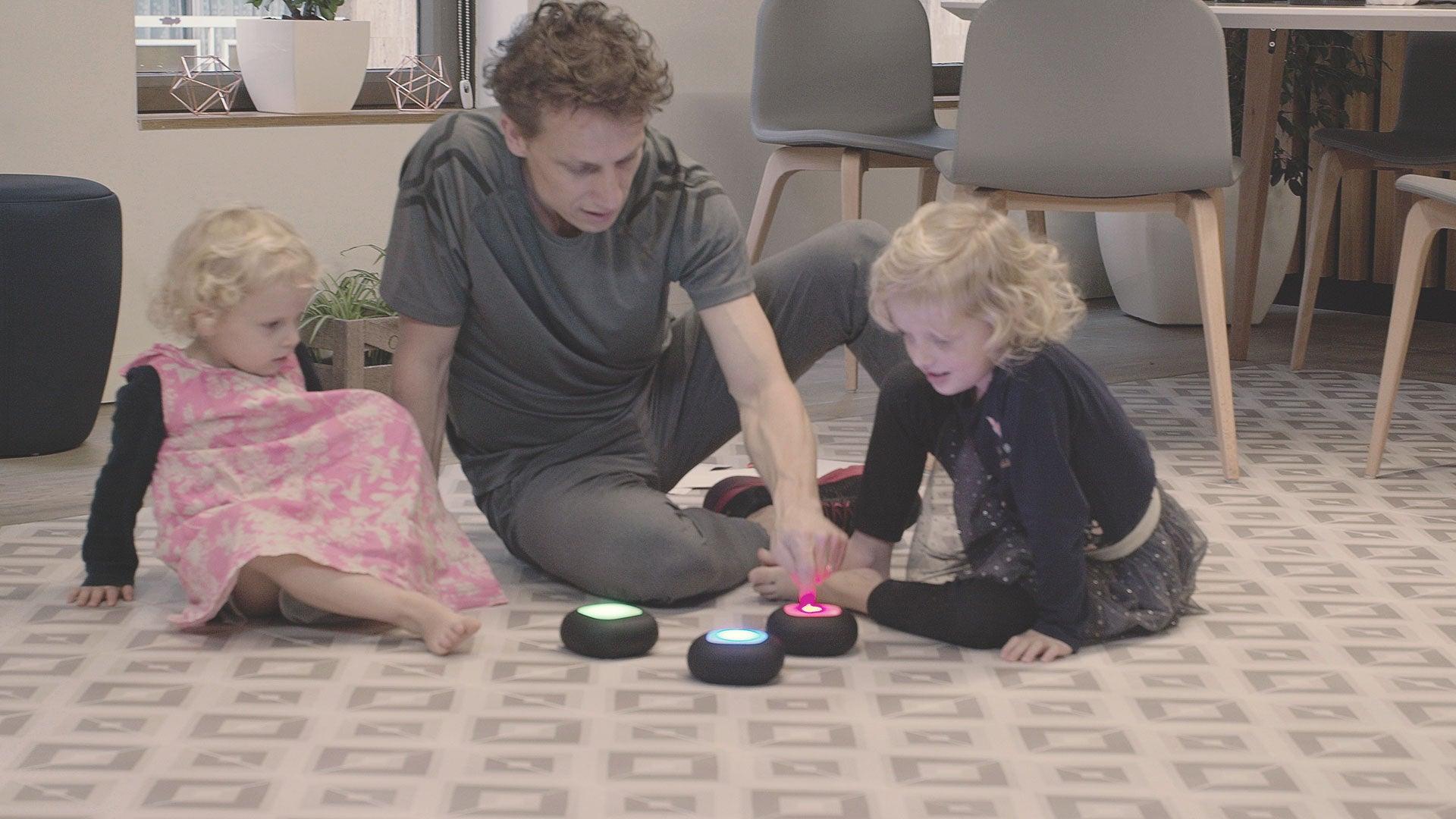



Schärfe die kognitive Seite deines Potenzials mit dem A-Champs ROXPro Reaktionstrainer und mach Reaktionsgeschwindigkeit und Entscheidungsfindung zu messbaren Fortschritten.
Jeder Spieler träumt davon, die beste Version seiner selbst zu werden, doch nur wenige wissen, was das wirklich bedeutet. „Potenzial“ im Fußball ist nicht nur eine Frage des natürlichen Talents; es geht darum, deine aktuellen Fähigkeiten zu erkennen, zu verstehen, wo du wachsen kannst, und einen klaren Weg zur Verbesserung zu bauen.
Eliteportler werden nicht geboren, sie werden durch Selbstwahrnehmung, kontinuierliches Feedback und gezieltes Training entwickelt.

Warum es wichtig ist, dein Potenzial zu verstehen
Dein Potenzial bestimmt, wie weit du mit der richtigen Anleitung, den richtigen Gewohnheiten und der richtigen Einstellung wachsen kannst.
Laut einem narrativen Review in Frontiers in Psychology ist intrinsische Motivation – verankert in persönlichen Zielen, Autonomie und Kompetenz – stärker mit langfristiger sportlicher Leistung verknüpft als extrinsische Belohnungen; optimale Coaching-Strategien verbinden intrinsische Antriebe mit externer Unterstützung, um Verbesserung über die Zeit aufrechtzuerhalten.
Bei A-Champs helfen wir Spielern, die Lücke zwischen reiner Fähigkeit und messbarem Fortschritt zu schließen – mit Technologie, die sowohl Körper als auch Gehirn trainiert.
Die zentralen Dimensionen des Fußballpotenzials
Bei der Einschätzung des Potenzials sollten Spieler und Trainer sowohl technische als auch nicht-technische Faktoren berücksichtigen. Hier sind fünf Kerndimensionen zur Bewertung:
- Technische Fähigkeit – Ballkontrolle, erster Kontakt, Passgenauigkeit und Schusspräzision.
- Taktisches Verständnis – Spielfluss, Positionierung und Entscheidungsfindung verstehen.
- Körperliche Kapazität – Schnelligkeit, Kraft, Ausdauer und Agilität.
- Psychologische Bereitschaft – Selbstvertrauen, Fokus und Widerstandsfähigkeit unter Druck.
- Kognitive Fähigkeiten – Wahrnehmung, Antizipation und Reaktionsgeschwindigkeit – Fähigkeiten, die gute Spieler von großartigen unterscheiden.
Zum Beispiel ermöglicht das A-Champs ROXPro Training Set Spielern, an Reaktion und Entscheidungsfindung unter Druck zu arbeiten – ein wesentlicher Bestandteil sowohl der taktischen als auch der kognitiven Entwicklung.
Eine wachsende Zahl von Studien stützt das: Untersuchungen zeigen, dass perzeptiv-kognitives Training Antizipation und Entscheidungsfähigkeit verbessert, was wiederum zu besserer Leistung in Spielsituationen beiträgt. Auch der Zusammenhang zwischen allgemeinen kognitiven Funktionen und sportartspezifischen motorischen Fähigkeiten legt nahe, dass die Verbindung von mentalem und körperlichem Training überlegene Ergebnisse bringt.

Verwandle Potenzial in messbaren Fortschritt. Der ROXProX erfasst Reaktion, Entscheidungsgeschwindigkeit und Genauigkeit, damit du genau siehst, wo du dich verbesserst.
Entdecke das gesamte A-Champs Trainingssortiment, um die kognitive Seite deines Spiels zu entwickeln.
Wie du eine Spieler-Selbsteinschätzung durchführst
Die Selbsteinschätzung ist die Grundlage jedes individuellen Entwicklungsplans. Spieler, die ihre Leistung regelmäßig reflektieren, bleiben eher auf Kurs und machen messbare Fortschritte.
Hier ist ein einfacher 4-Schritte-Rahmen:
Ehrlich reflektieren – Identifiziere nach jedem Spiel Momente, in denen du Schwierigkeiten hattest oder geglänzt hast.
Objektive Daten sammeln – Nutze Tools wie die A-Champs App, um Kennzahlen wie Reaktionszeit, Schnelligkeit und Entscheidungsgenauigkeit zu erfassen.
Feedback einholen – Bitte Trainer oder Mitspieler um Rückmeldung – sie können blinde Flecken aufzeigen.
Mit Standards vergleichen – Schau dir Benchmarks für deine Altersgruppe an, um zu verstehen, wo du stehst.
Für detailliertere Reflexionsübungen schau dir Ian McClurgs Rahmen zum Verständnis des Potenzials an, der eng mit dem ganzheitlichen Entwicklungsansatz von A-Champs übereinstimmt.
Zielsetzung: Erkenntnis in Handlung verwandeln
Sobald du deine Stärken und Schwächen erkannt hast, setze SMART-Ziele:
- Spezifisch – „Meine Passgenauigkeit unter Druck verbessern.“
- Messbar – „Eine Erfolgsquote von 90 % in kognitiven Reaktions-Drills erreichen.“
- Erreichbar – „Vier Wochen lang auf einen Bereich (Entscheidungsgeschwindigkeit) fokussieren.“
- Relevant – „Für die spezifischen Anforderungen meiner Position trainieren.“
- Terminiert – „Nach sechs Wochen neu bewerten.“
Um das Zielverfolgen zu erleichtern, kombiniere deine Selbsteinschätzung mit einem strukturierten System wie dem A-Champs Training App Dashboard, das deine Daten visualisiert und Fortschritte über die Zeit hervorhebt.
Wie A-Champs dir hilft, dein Potenzial zu verfolgen und auszuschöpfen
A-Champs verbindet wissenschaftliche Trainingsprinzipien mit Echtzeit-Leistungsverfolgung.
Unsere Tools verwandeln Trainingseinheiten in messbare, spielrelevante Datenpunkte.
Mit dem ROXPro System können Spieler:
- Mit unvorhersehbaren Licht-/Tonsignalen trainieren, um Reaktion und Antizipation zu verbessern.
- Körperliche Anstrengung mit mentalem Fokus verbinden, um die Entscheidungsgeschwindigkeit zu steigern.
- Den Leistungsverlauf direkt in der A-Champs App verfolgen.
- Trends erkennen, die zeigen, wo Potenzial freigesetzt werden kann.
Diese Art der datengestützten Selbsteinschätzung sorgt dafür, dass das Training nicht nur hart, sondern smart ist.
Um die Neurowissenschaft hinter unserer Methode zu verstehen, besuche The Science Behind Training.
Abschließendes Fazit
Potenzial ist nicht festgelegt – es wird durch Bewusstsein, Feedback und konstantes Üben aufgebaut.
Mit A-Champs können Spieler jeden Aspekt ihrer Leistung einschätzen, verfolgen und verbessern – und so Potenzial in Leistung verwandeln.
Starte deine Reise mit den A-Champs Fußball-Trainingslösungen und erlebe heute messbares Wachstum.
Weiterführende Lektüre: Ian McClurg über den Aufbau eines Profi-Spielerwegs, die komplette Athleten-Leistungstestbatterie und wie du besser im Fußball wirst.
FAQ: Fußballpotenzial & Spieler-Selbsteinschätzung
F: Warum ist Selbsteinschätzung im Fußball wichtig?
A: Sie hilft Spielern, ihre Wachstumsbereiche zu erkennen und Verantwortung für ihre Entwicklung zu übernehmen.
F: Wie kann ich meinen Fortschritt objektiv messen?
A: Nutze Tracking-Tools wie die A-Champs App, um Daten zu Reaktionszeit, Genauigkeit und Entscheidungsgeschwindigkeit zu sammeln.
F: Wie oft sollte ich meine Entwicklungsziele neu bewerten?
A: Alle 4 bis 6 Wochen, damit deine Ziele relevant und herausfordernd bleiben.