

Cómo abrir un centro de fútbol indoor: guía de negocio completa para 2026
Equipa tu centro con la tecnología de luz reactiva que describe esta guía: el sistema A-Champs ROXProX convierte el tiempo de cancha ordinario en sesiones de entrenamiento premium y basadas en datos que justifican tarifas más altas.
La demanda de centros de fútbol indoor en Estados Unidos sigue disparándose. Con el juego durante todo el año convirtiéndose en estándar y los campos al aire libre limitados por el clima, abrir un centro de fútbol indoor ofrece oportunidades de negocio excepcionales para emprendedores apasionados por el deporte.
Los centros de fútbol indoor generan ingresos a través de múltiples canales: ligas juveniles, juego recreativo para adultos, alquiler de canchas, fiestas de cumpleaños y programas de entrenamiento. Este modelo diversificado, combinado con la demanda constante de espacio de cancha de fútbol indoor, crea una oportunidad de inversión atractiva en el creciente sector de las instalaciones deportivas.
Esta guía cubre todo lo que necesitas saber para iniciar, financiar y operar un negocio de fútbol indoor de éxito.
¿Por qué abrir un negocio de fútbol indoor?
A diferencia de los campos de fútbol al aire libre que quedan sin usar durante el invierno o las temporadas de lluvia, los centros de fútbol indoor funcionan todo el año, maximizando el potencial de ingresos y proporcionando un flujo de caja constante. El modelo de negocio está probado en mercados que van de 50.000 a 500.000 habitantes, y los centros de éxito alcanzan habitualmente márgenes de beneficio del 15–25 %.
Los centros de entrenamiento de fútbol indoor se han convertido en infraestructura esencial en comunidades de todo el país. Los padres buscan lugares de calidad para el desarrollo de sus hijos, los jugadores adultos quieren entornos climatizados y los clubes de fútbol necesitan alquileres fiables de canchas indoor cuando el clima impide jugar al aire libre.
Los centros más innovadores se diferencian ahora incorporando tecnología de entrenamiento de vanguardia que transforma el tiempo de cancha tradicional en sesiones avanzadas de desarrollo de habilidades. Esta ventaja tecnológica atrae a jugadores serios y academias de entrenamiento dispuestos a pagar tarifas premium por el acceso a herramientas de desarrollo de nueva generación.
Investigación de mercado: validar la demanda de tu centro de fútbol indoor
Antes de invertir en un centro de fútbol indoor, realiza una investigación de mercado exhaustiva. Los centros de fútbol indoor prosperan en comunidades con programas activos de fútbol juvenil, disponibilidad limitada de campos al aire libre y condiciones climáticas que restringen el juego exterior varios meses al año.
Analiza tu competencia en un radio de 30 kilómetros. ¿Están los centros de fútbol indoor existentes reservados de forma constante? Revisa sus precios, calendarios de ligas y reseñas de clientes para identificar huecos de mercado que tu centro podría llenar. Presta especial atención a si los competidores ofrecen tecnología de entrenamiento moderna o simplemente acceso básico a la cancha: ese hueco representa una oportunidad significativa de diferenciación.
Conéctate con clubes de fútbol locales, ligas juveniles y organizaciones recreativas de adultos. Estos grupos buscan constantemente espacio de cancha de fútbol indoor de calidad. Muchos propietarios de centros de éxito aseguran inquilinos ancla —ligas establecidas que se comprometen a alquileres regulares de cancha— antes del día de apertura, garantizando ingresos inmediatos.
Investiga la demografía con cuidado. Las zonas con mayores ingresos por hogar, mayores poblaciones juveniles y una cultura futbolística establecida suelen sostener los centros de fútbol indoor con más facilidad. Investiga las tasas de participación en el fútbol juvenil a través de los departamentos de parques locales, las escuelas y las organizaciones de clubes.
Ubicación del centro de fútbol indoor: encontrar el sitio perfecto
La ubicación determina la accesibilidad de tu centro, los costes operativos y el éxito final. La ubicación ideal combina superficie suficiente, una calificación urbanística adecuada, buena visibilidad, amplio aparcamiento y cómodo acceso a la autopista.
Requisitos de espacio para centros de fútbol indoor
Según los estándares de la United States Soccer Federation, un campo de fútbol indoor reglamentario requiere unas dimensiones mínimas de unos 60 metros de largo por 26 metros de ancho, incluidos los banquillos y las áreas de penalti. La mayoría de los centros de fútbol indoor necesitan entre 2.800 y 5.600 metros cuadrados en total para acomodar campos, zonas de espectadores, vestíbulo, vestuarios, puntos de venta y almacén.
Considera destinar espacio dedicado a zonas de entrenamiento especializadas equipadas con tecnología de desarrollo moderna. Un área de entrenamiento de 90 a 185 metros cuadrados, separada del espacio de campo completo, te permite ejecutar programas simultáneos —ligas en el campo principal mientras se realizan sesiones de entrenamiento técnico en zonas dedicadas— maximizando el uso del centro y los ingresos por metro cuadrado.
Los centros más grandes, de entre 6.500 y 9.300 metros cuadrados, pueden acomodar varios campos de distintos tamaños, permitiendo ligas simultáneas que maximizan los ingresos.
Urbanismo, permisos y accesibilidad
Confirma que la propiedad objetivo esté calificada para uso recreativo o deportivo comercial. Muchos municipios exigen permisos especiales para centros que operan por la tarde o generan un tráfico significativo. Reserva de 3 a 6 meses para las solicitudes de permisos y aprobaciones.
Planifica un mínimo de 100–150 plazas de aparcamiento. Tu centro de fútbol indoor debería estar cerca de carreteras principales o salidas de autopista para atraer clientes de zonas geográficas más amplias. La proximidad a barrios residenciales y escuelas genera tráfico por recomendación.
Construir tu centro de fútbol indoor: opciones de construcción
Tu principal decisión de construcción es si construir desde cero, renovar un espacio de almacén existente o usar soluciones de edificio prefabricado diseñadas para instalaciones deportivas indoor.
Edificios de acero prefabricados para fútbol indoor
Los edificios de acero prefabricados se han convertido en el estándar del sector para la construcción de centros de fútbol indoor. Empresas como General Steel fabrican kits de edificios de acero diseñados que ofrecen ventajas críticas:
- Vanos interiores sin columnas: La construcción con vigas de acero en I crea amplios espacios abiertos sin columnas de soporte que interrumpan la distribución del campo
- Construcción más rápida: Se levantan en 6–9 meses frente a los 12–18 meses de la construcción tradicional
- Durabilidad a largo plazo: Las estructuras de acero de calidad incluyen garantías estructurales de 50 años
- Menor mantenimiento: El acero requiere menos mantenimiento continuo que las estructuras de madera o mampostería
Césped, climatización e integración tecnológica
El césped artificial con base amortiguadora cuesta entre 5 y 12 USD por pie cuadrado instalado. Para unos 2.800 metros cuadrados, espera una inversión de 150.000–360.000 USD. El césped de calidad dura entre 8 y 10 años antes de reemplazarse.
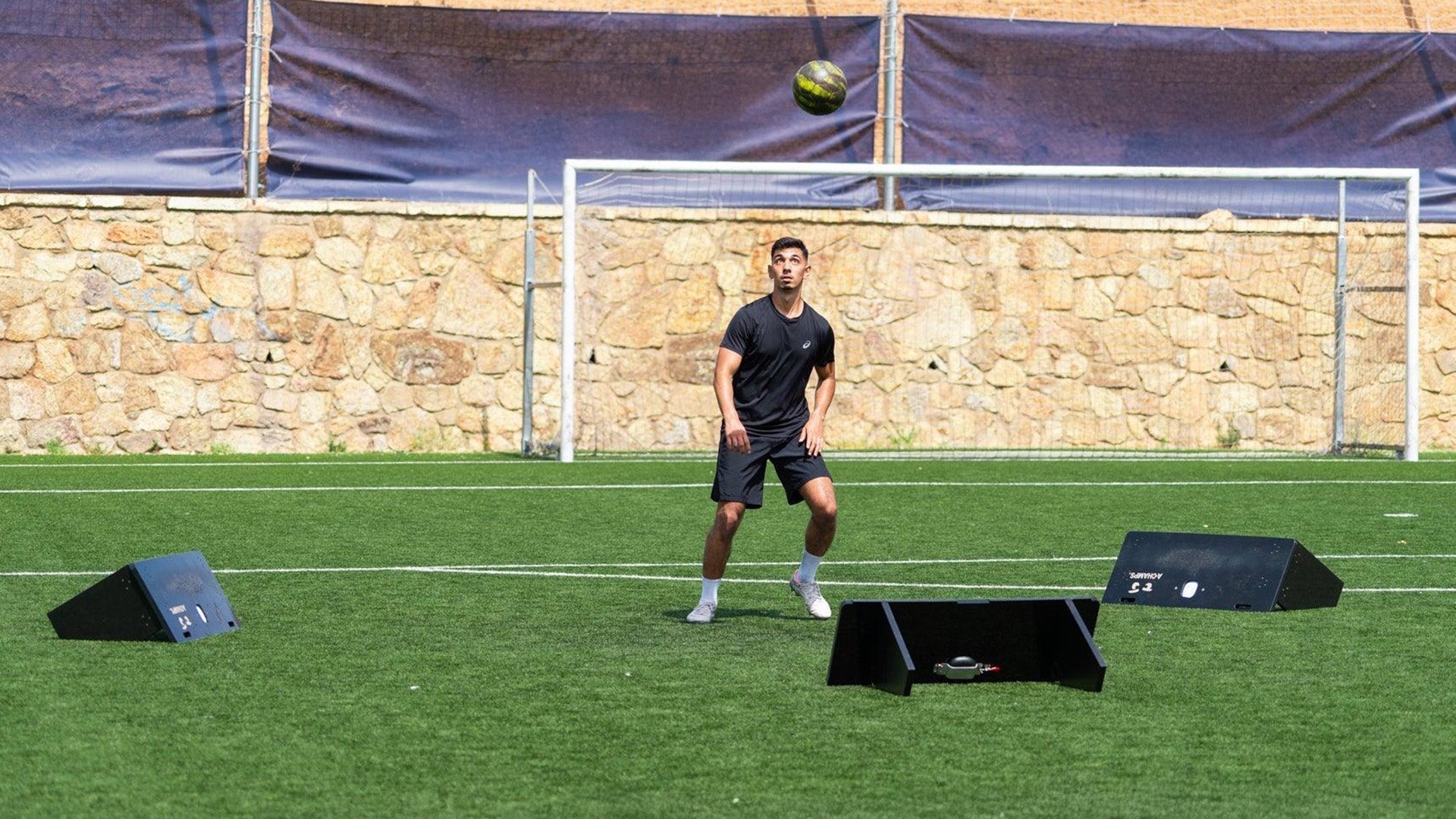
Al planificar la distribución de tu centro, considera cómo se integrará la tecnología de entrenamiento con el diseño del campo. Los sistemas de entrenamiento interactivos modernos usan sensores y luces reactivas que pueden montarse en paredes o colocarse alrededor de las zonas de entrenamiento, lo que requiere un espacio adecuado e infraestructura eléctrica. Planificar estos elementos durante la construcción es mucho más rentable que adaptarlos después.
Los sistemas de climatización (HVAC) robustos son esenciales. En las horas punta con más de 50 jugadores, una climatización insuficiente crea condiciones incómodas. La iluminación deportiva LED garantiza una iluminación adecuada minimizando los costes energéticos. Unos techos de al menos 6 metros permiten un vuelo de balón adecuado; entre 7,5 y 9 metros ofrecen condiciones óptimas.
Costes de un centro de fútbol indoor: desglose financiero
Abrir un centro de fútbol indoor requiere una inversión de capital sustancial. Comprender los costes reales evita una financiación insuficiente que descarrila los proyectos.
Costes de edificio y construcción
- Construcción nueva: De 1,5 a 4 millones de USD según el tamaño y la ubicación
- Conversión de almacén: De 800.000 a 2 millones de USD (aunque los edificios más antiguos pueden requerir mejoras importantes)
Equipamiento y capital operativo
- Instalación de césped artificial: 150.000–360.000 USD
- Porterías, redes, equipo tradicional: 50.000–100.000 USD
- Sistemas avanzados de tecnología de entrenamiento: 15.000–40.000 USD
- Mobiliario, montaje del vestíbulo y tecnología: 50.000–100.000 USD
- Reservas operativas (6–12 meses): 100.000–250.000 USD
El capital operativo debe cubrir las nóminas del personal, los suministros (5.000–12.000 USD mensuales), los seguros, el marketing y el mantenimiento mientras construyes tu base de clientes.
La inversión en tecnología de entrenamiento moderna, aunque incrementa los costes iniciales, crea una diferenciación que justifica precios premium y atrae programas de desarrollo serios que se convierten en tus clientes de mayor valor.
Financiar tu centro de fútbol indoor
La mayoría de los emprendedores se financian mediante préstamos SBA 504 (10–20 % de entrada), préstamos comerciales convencionales (20–30 % de entrada) o asociaciones con inversores. Los prestamistas exigen planes de negocio completos que demuestren demanda de mercado, análisis competitivo y proyecciones financieras detalladas.
Al presentar tu plan de negocio, enfatiza las ventajas tecnológicas y la diferenciación competitiva. Los centros que ofrecen capacidades de entrenamiento avanzadas obtienen tarifas de alquiler más altas y atraen clientes más comprometidos y a largo plazo en comparación con los lugares básicos de solo cancha.
Diferencia tu centro y obtén tarifas premium. El ROXProX convierte el tiempo de cancha ordinario en entrenamiento basado en datos por el que las academias y los jugadores serios pagan más.
Explora toda la gama de entrenamiento de A-Champs para construir un centro de entrenamiento potenciado por la tecnología.
Fuentes de ingresos: cómo ganan dinero los centros de fútbol indoor
Los centros de fútbol indoor rentables crean múltiples fuentes de ingresos que maximizan el uso del campo durante todo el año.
Ligas de fútbol juveniles y de adultos
El juego en liga constituye la base de los ingresos. Las ligas juveniles cobran de 800 a 1.500 USD por equipo por temporada de 6–8 semanas. Las ligas recreativas de adultos cobran de 600 a 1.200 USD por equipo. La mayoría de los centros organizan de 3 a 4 temporadas de liga al año. Un centro de dos campos que acomoda de 20 a 30 equipos por temporada genera de 400.000 a 900.000 USD en ingresos anuales por ligas.
Alquileres de cancha y programas de entrenamiento premium
Los clubes de fútbol y las academias de entrenamiento alquilan campos de fútbol indoor por hora a 100–250 USD por campo. Las franjas privilegiadas de tarde y fin de semana obtienen precios premium. Una gestión eficaz de reservas genera de 150.000 a 400.000 USD al año por alquileres.
El mayor potencial de ingresos proviene de programas de entrenamiento especializados que utilizan tecnología avanzada. Los centros con visión de futuro están implementando sistemas de entrenamiento interactivos —como sensores de luz reactiva que miden los tiempos de respuesta, la velocidad de toma de decisiones y los patrones de movimiento de los jugadores— creando programas de desarrollo basados en datos que obtienen precios premium.
Estos programas de entrenamiento potenciados por la tecnología atraen:
- Academias juveniles de élite que buscan ventajas competitivas para sus jugadores
- Atletas individuales dispuestos a pagar de 100 a 200 USD por hora por un desarrollo de habilidades de vanguardia
- Paquetes de entrenamiento de equipo de 500 a 1.000 USD por sesiones especializadas
- Servicios de pruebas y evaluación de rendimiento que generan ingresos adicionales
Asóciate con entrenadores experimentados que entiendan cómo integrar la tecnología de entrenamiento en programas de desarrollo eficaces. Muchos centros que usan sistemas como A-Champs ROX informan de que las sesiones de entrenamiento potenciadas por la tecnología se reservan a tarifas un 40–60 % más altas que los alquileres de cancha tradicionales, a la vez que generan un fuerte marketing boca a boca a medida que los jugadores ven una mejora medible.
Entrenamiento individual y desarrollo de habilidades
Crea opciones de membresía para jugadores que busquen acceso regular a la tecnología de entrenamiento y a programas de desarrollo guiados. Las membresías mensuales de 99 a 199 USD ofrecen a los jugadores rutinas de entrenamiento guiadas por app, seguimiento del progreso y acceso flexible al centro. Este modelo de ingresos recurrentes crea un flujo de caja predecible a la vez que construye una base de clientes comprometida.
La naturaleza interactiva del entrenamiento potenciado por la tecnología —donde las luces responden a los movimientos del jugador y las apps ofrecen feedback inmediato— mantiene a los atletas comprometidos y volviendo de forma constante, reduciendo la rotación de socios habitual en los modelos de gimnasio tradicionales.
Fuentes de ingresos adicionales
- Fiestas de cumpleaños: 300–600 USD por fiesta, mejoradas con juegos de entrenamiento interactivos que encantan a los niños
- Eventos corporativos y torneos: Precios premium para eventos especiales
- Puntos de venta y tienda pro: 5–10 % de los ingresos totales con márgenes saludables
- Servicios de pruebas de rendimiento: Cobra de 50 a 100 USD por evaluaciones completas que miden el tiempo de reacción, la agilidad y las habilidades técnicas con datos objetivos
Los centros de fútbol indoor bien gestionados suelen generar de 500.000 a 2 millones de USD al año con márgenes de beneficio del 15–25 %. Los centros en mercados más grandes con diferenciación tecnológica pueden superar los 3 millones de USD de ingresos anuales.
Crear una ventaja competitiva potenciada por la tecnología
El mercado de centros de fútbol indoor es cada vez más competitivo. Los centros que tienen éxito a largo plazo se diferencian mediante una experiencia de cliente superior y resultados medibles en el desarrollo de los jugadores.
La tecnología de entrenamiento interactiva transforma tu centro de un espacio de juego genérico en un centro de desarrollo premium. Cuando los padres y los jugadores pueden ver datos objetivos de mejora —tiempos de reacción más rápidos, mejores puntuaciones de agilidad, métricas de toma de decisiones mejoradas— justifican tarifas más altas y siguen siendo clientes leales.
Considera designar zonas de entrenamiento específicas equipadas con sistemas que midan y mejoren el rendimiento cognitivo-motor. Estas áreas dedicadas te permiten ejecutar sesiones de entrenamiento de alto valor de forma simultánea al juego de liga habitual, maximizando los ingresos por hora de operación.
La comunidad de entrenadores reconoce cada vez más que el desarrollo moderno del jugador requiere entrenar el cerebro tanto como el cuerpo. Los centros que ofrecen tecnología que desafía el procesamiento visual, la toma de decisiones bajo presión y la velocidad reactiva atraen programas de desarrollo serios que se convierten en inquilinos ancla que generan ingresos premium constantes.
El personal de tu centro de fútbol indoor
Tu equipo crea las experiencias de cliente que determinan si los jugadores vuelven o buscan alternativas.
Los puestos esenciales incluyen gerente del centro/propietario-operador, personal de recepción (2–4 a tiempo parcial), equipo de mantenimiento (1–2) y árbitros (contratistas independientes a 20–40 USD por partido). Los costes laborales suelen representar el 20–30 % de los ingresos.
Si incorporas tecnología de entrenamiento avanzada, considera contratar o asociarte con entrenadores certificados en metodologías de desarrollo cognitivo-motor. Estos especialistas pueden crear e impartir programas de entrenamiento premium que aprovechen tu inversión tecnológica, generando mayores ingresos por hora que el coaching tradicional.
Empieza con una estructura ligera de personal a tiempo parcial y ampíala a medida que crecen los ingresos.
Marketing de tu centro de fútbol indoor
Empieza con el marketing de 3 a 6 meses antes de la apertura para generar notoriedad y asegurar reservas anticipadas.
Estrategias previas a la apertura: Construye relaciones con organizaciones de fútbol con meses de antelación, enfatizando cómo las capacidades de entrenamiento avanzadas de tu centro beneficiarán el desarrollo de sus jugadores. Crea una web profesional con reservas online y muestra cualquier tecnología de entrenamiento única. Aprovecha las redes sociales para mostrar el progreso de la construcción y adelantar las experiencias de entrenamiento interactivo que ofrecerás.
Organiza eventos de inauguración donde los jugadores puedan experimentar tu tecnología de primera mano. Las sesiones de entrenamiento gratuitas con ejercicios interactivos crean primeras impresiones memorables que el juego libre tradicional no puede igualar. Los jugadores hablan de experiencias únicas: las sesiones de entrenamiento reactivo generan más boca a boca que el acceso estándar a la cancha.
Tácticas continuas: Desarrolla alianzas locales con escuelas y organizaciones juveniles. Patrocina equipos de fútbol juvenil. Construye listas de correo para actualizaciones de inscripción a las ligas. Fomenta las reseñas online para mejorar la visibilidad en las búsquedas locales. Organiza torneos que atraigan equipos de las zonas circundantes.
Crea contenido que demuestre las ventajas tecnológicas de tu centro. Los vídeos de mejora antes y después, los testimonios de jugadores sobre mejoras medibles de habilidad y las demostraciones de sesiones de entrenamiento interactivo aportan material de marketing convincente que los centros básicos no pueden replicar.
Reserva del 5 al 10 % de los ingresos previstos para el marketing del primer año, reduciéndolo al 3–5 % a medida que se refuerza el boca a boca.
Requisitos legales y protección de responsabilidad
El seguro de responsabilidad civil general es esencial: espera de 5.000 a 15.000 USD al año según el tamaño del centro. La mayoría de los centros contratan coberturas de 2 a 5 millones de USD. Considera también el seguro de inmueble, la cobertura de accidentes laborales y la cobertura de interrupción del negocio.
Todo jugador debe firmar exenciones de responsabilidad antes de participar. Pide a un abogado con experiencia en derecho deportivo que revise el texto de tu exención para garantizar su validez legal.
Los requisitos de licencia comercial varían, pero suelen incluir una licencia comercial general, permisos de instalación recreativa, aprobación del departamento de sanidad (si se sirve comida), inspección del cuerpo de bomberos, certificado de ocupación del edificio y permiso de impuesto sobre las ventas.
Errores comunes al abrir centros de fútbol indoor
Subestimar los costes operativos: Crea proyecciones conservadoras que asuman costes un 30–40 % más altos que las estimaciones. Este margen evita las crisis de flujo de caja.
Sobreestimar la demanda inicial: La mayoría de los centros tardan de 6 a 12 meses en construir un volumen constante. Planifica un crecimiento gradual.
Tratar tu centro como un espacio genérico: El mayor error que cometen los nuevos propietarios es ver su centro simplemente como “un lugar para jugar al fútbol”. Los centros modernos de éxito se posicionan como centros de desarrollo que ofrecen una mejora medible mediante entornos de entrenamiento y tecnología superiores. Este posicionamiento justifica precios premium y atrae clientes comprometidos y a largo plazo.
Recortar en calidad: Invierte en césped, climatización e iluminación de calidad. Los jugadores notan las diferencias de inmediato y no vuelven a centros de segunda categoría.
Descuidar la atención al cliente: Forma a tu personal para que sea amable y receptivo. Los pequeños gestos —recordar a los clientes habituales, celebrar campeonatos, una limpieza excepcional— crean lealtad que se traduce en ingresos a largo plazo.
Tu camino para abrir un centro de fútbol indoor
Abrir un centro de fútbol indoor representa un compromiso emprendedor significativo, pero para personas apasionadas dispuestas a planificar con cuidado y ejecutar con profesionalidad, las recompensas van más allá del retorno financiero. Los propietarios de éxito se convierten en pilares de la comunidad, creando espacios donde los niños desarrollan un amor por el juego que dura toda la vida.
Empieza con una investigación de mercado exhaustiva. Desarrolla relaciones con organizaciones de fútbol antes de la construcción. Crea proyecciones financieras detalladas con costes realistas y supuestos de ingresos conservadores. Reúne asesores experimentados que entiendan los negocios de instalaciones deportivas.
Los centros de fútbol indoor que prosperan a largo plazo se convierten en activos comunitarios donde la cultura futbolística local florece y crece. Aquellos que incorporan tecnología de entrenamiento moderna se sitúan a la vanguardia del desarrollo del jugador, obteniendo tarifas premium a la vez que ofrecen resultados medibles que hacen que los clientes vuelvan año tras año.
Lectura relacionada: cómo VOLTA construyó un centro de entrenamiento potenciado por la tecnología, pruebas atléticas con el entrenamiento inteligente ROX y la ciencia detrás del entrenamiento ROX.
Preguntas frecuentes sobre cómo abrir centros de fútbol indoor
¿Cuánto cuesta abrir un centro de fútbol indoor?
Los costes totales de puesta en marcha suelen oscilar entre 2 y 5 millones de USD para centros de tamaño completo, incluida la construcción del edificio, la instalación del césped, el equipamiento, la tecnología de entrenamiento y el capital operativo. Los centros más pequeños o las conversiones de almacenes pueden empezar entre 750.000 y 1,5 millones de USD.
¿Cuánto se tarda en construir un centro de fútbol indoor?
Espera de 12 a 24 meses desde la planificación hasta la apertura, incluidos la financiación (3–6 meses), la selección del sitio y el urbanismo (2–4 meses), la construcción (6–12 meses) y la preparación previa a la apertura (1–2 meses). Los edificios de acero prefabricados reducen los plazos en 3–6 meses.
¿Qué tamaño de edificio se necesita para un centro de fútbol indoor?
Un campo de fútbol indoor reglamentario requiere al menos unos 2.800 metros cuadrados para un campo de unos 60 por 26 metros más zonas de espectadores, vestuarios y vestíbulo. La mayoría de los centros de éxito operan en 3.700–5.600 metros cuadrados que acomodan varios campos y zonas de entrenamiento dedicadas.
¿Son rentables los centros de fútbol indoor?
Los centros bien gestionados en mercados con una fuerte participación futbolística generan de 500.000 a 2 millones de USD al año con márgenes de beneficio del 15–25 %. Los centros que ofrecen programas de entrenamiento premium potenciados por la tecnología pueden lograr mayores márgenes e ingresos. La rentabilidad depende de las tasas de ocupación, la diversidad de fuentes de ingresos y la eficiencia operativa.
¿Qué tecnología debería incluir en un nuevo centro de fútbol indoor?
Los centros modernos incorporan cada vez más sistemas de entrenamiento interactivos que miden el rendimiento del jugador y ofrecen feedback objetivo. Los sistemas que usan luces y sensores reactivos —como A-Champs ROX— te permiten ofrecer programas de entrenamiento basados en datos que obtienen precios premium. Reserva de 15.000 a 40.000 USD para tecnología de entrenamiento de calidad que diferencie tu centro y genere mayores ingresos por hora que los alquileres de cancha estándar.
¿Necesito experiencia en fútbol para abrir un centro de fútbol indoor?
Aunque el conocimiento del fútbol ayuda, los propietarios de éxito proceden de ámbitos muy diversos. Lo que más importa es una sólida visión empresarial, el enfoque en la atención al cliente y la disposición a conocer la comunidad futbolística. Muchos propietarios se asocian con profesionales del fútbol experimentados para el coaching, el desarrollo de programas de entrenamiento y la gestión de ligas, lo que les permite centrarse en las operaciones del negocio mientras los expertos se encargan de los aspectos técnicos.