

Perception shapes performance
Every movement begins with information. Training can challenge how people identify what matters before they act.
Real performance begins with information. Performance is not defined by movement alone. It depends on how effectively people perceive relevant information, make decisions, and move under changing conditions. From competitive sport to rehabilitation, the challenge is the same: connect information with purposeful action.
Predictable training has value. But athletes compete in changing situations, and patients return to environments that do not behave like the clinic.
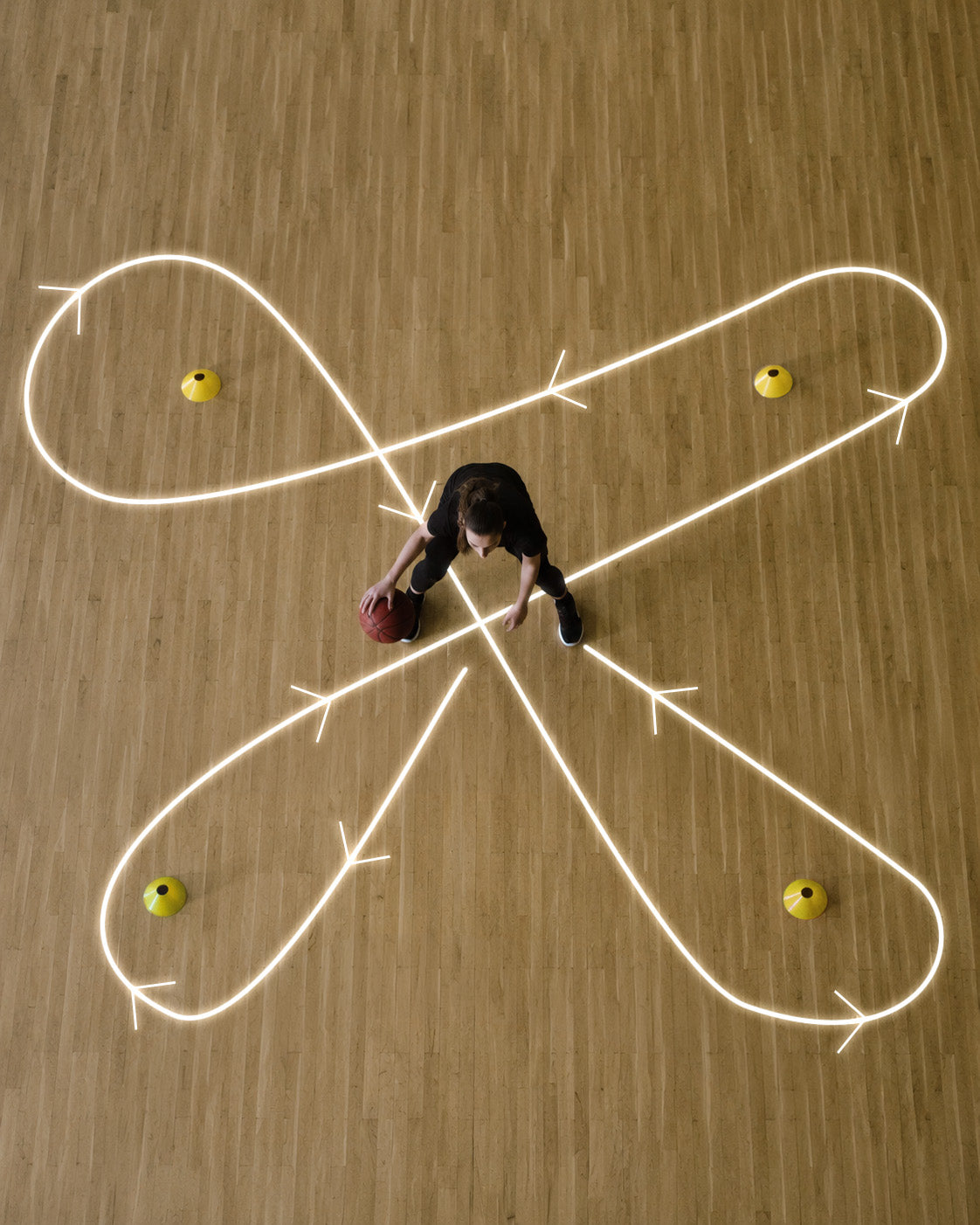
Real performance requires people to identify what matters, choose an action, and adapt movement as conditions change.
Movement is only one part of performance. Information comes first.
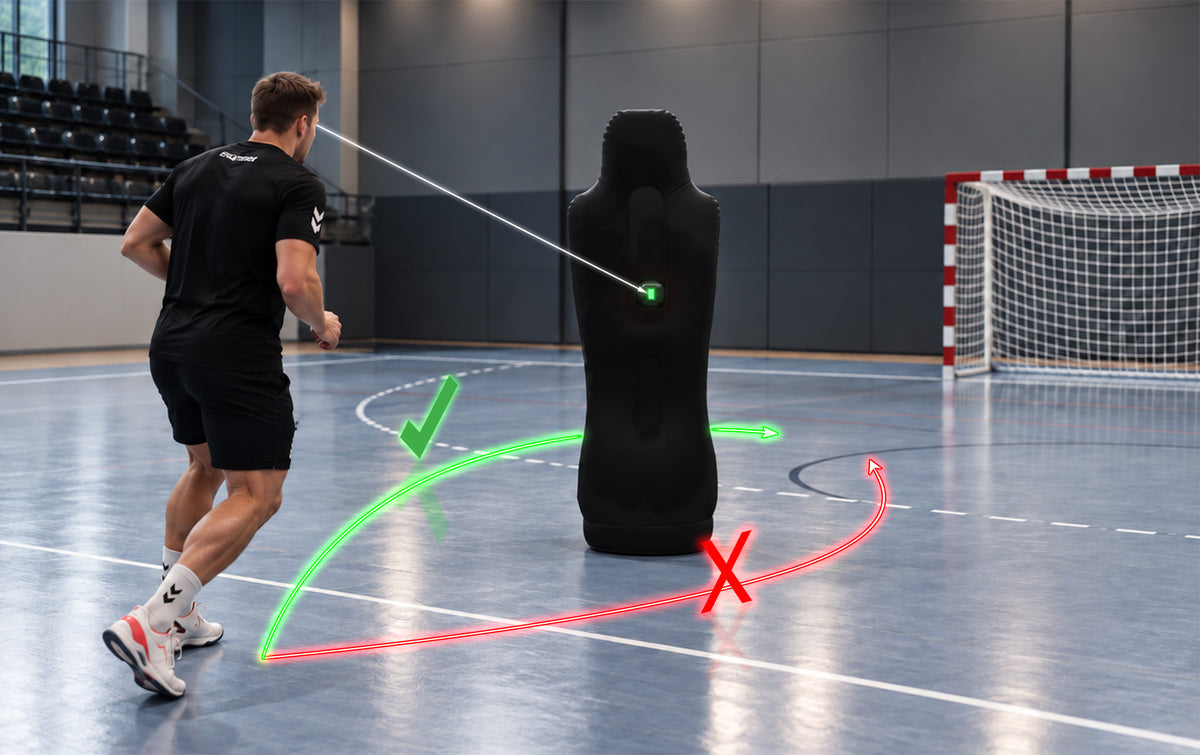
Reaction training remains useful. Professional Cognitive-Motor Training expands the challenge by connecting cueing, decision-making, movement, feedback, and progression in one structured task.
Reactive Intelligence is the ability to perceive relevant information, make effective decisions, and move with purpose under changing conditions.
Read the cue, environment, body, space, opponent, or task.
Process what matters, filter distractions, and select the appropriate response.
Execute with timing, control, balance, and adaptability.
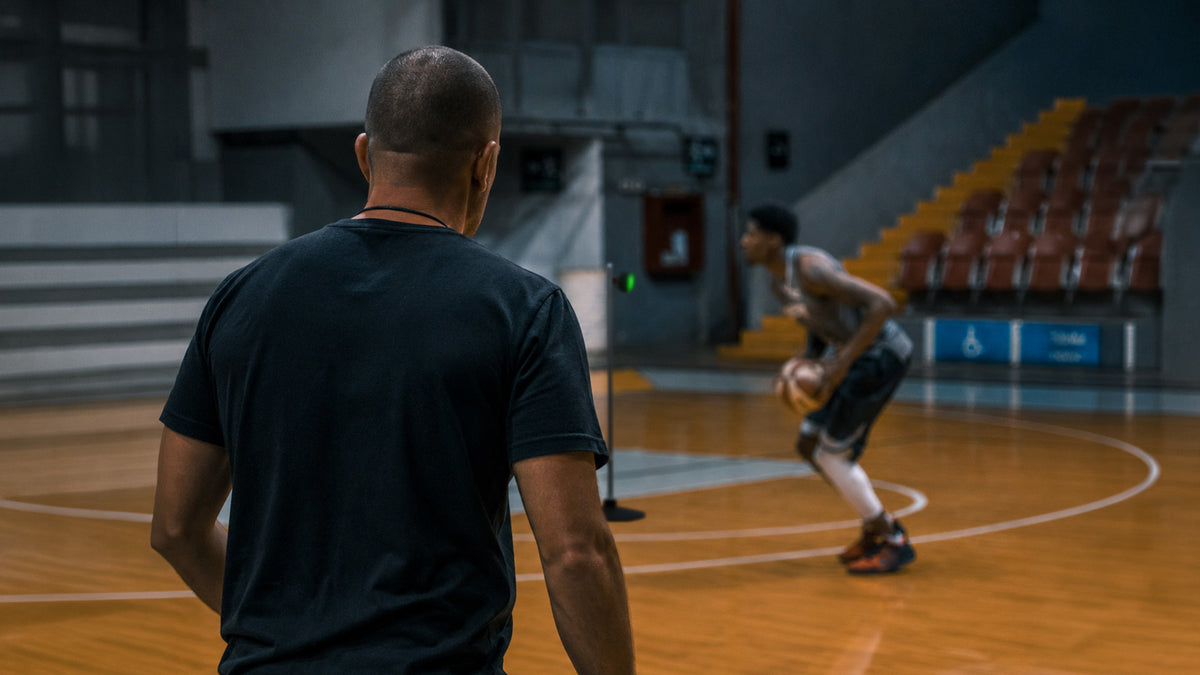
Professional Cognitive-Motor Training translates scientific principles into structured tasks that connect information, decisions, movement, feedback, and progression.
Professional Cognitive-Motor Training is grounded in established scientific principles from neuroscience, motor learning, sport science, rehabilitation, and cognitive science.
Every movement begins with information. Training can challenge how people identify what matters before they act.
Actions are selected, not simply executed. Attention, inhibition, anticipation, and choice shape the response.
The strongest tasks connect information to purposeful movement rather than isolated tapping.
Professionals can vary timing, rules, movement, uncertainty, and pressure without making training random.
Task data, coaching observations, and performance results help you adjust the next challenge.
Research across neuroscience, motor learning, sport science, rehabilitation, and cognitive science supports the importance of connecting information, decisions, and movement.
Understanding the evidence
The research referenced here explains the scientific rationale behind Professional Cognitive-Motor Training. A-Champs applies these principles through a professional system for designing structured cognitive-motor tasks.
Understanding the science is only the beginning. The value comes from how you design, observe, and progress the task.
Choose the training objective: scanning, balance, decision complexity, movement control, or pressure.
Select the cues, decision rule, movement response, and level of complexity.
Watch movement quality, decision quality, consistency, and task outcome.
Adjust uncertainty, speed, range, cognitive demand, or environmental context.
A-Champs helps you create, deliver, measure, and progress Professional Cognitive-Motor Training. The technology supports the task. Your expertise drives the process.
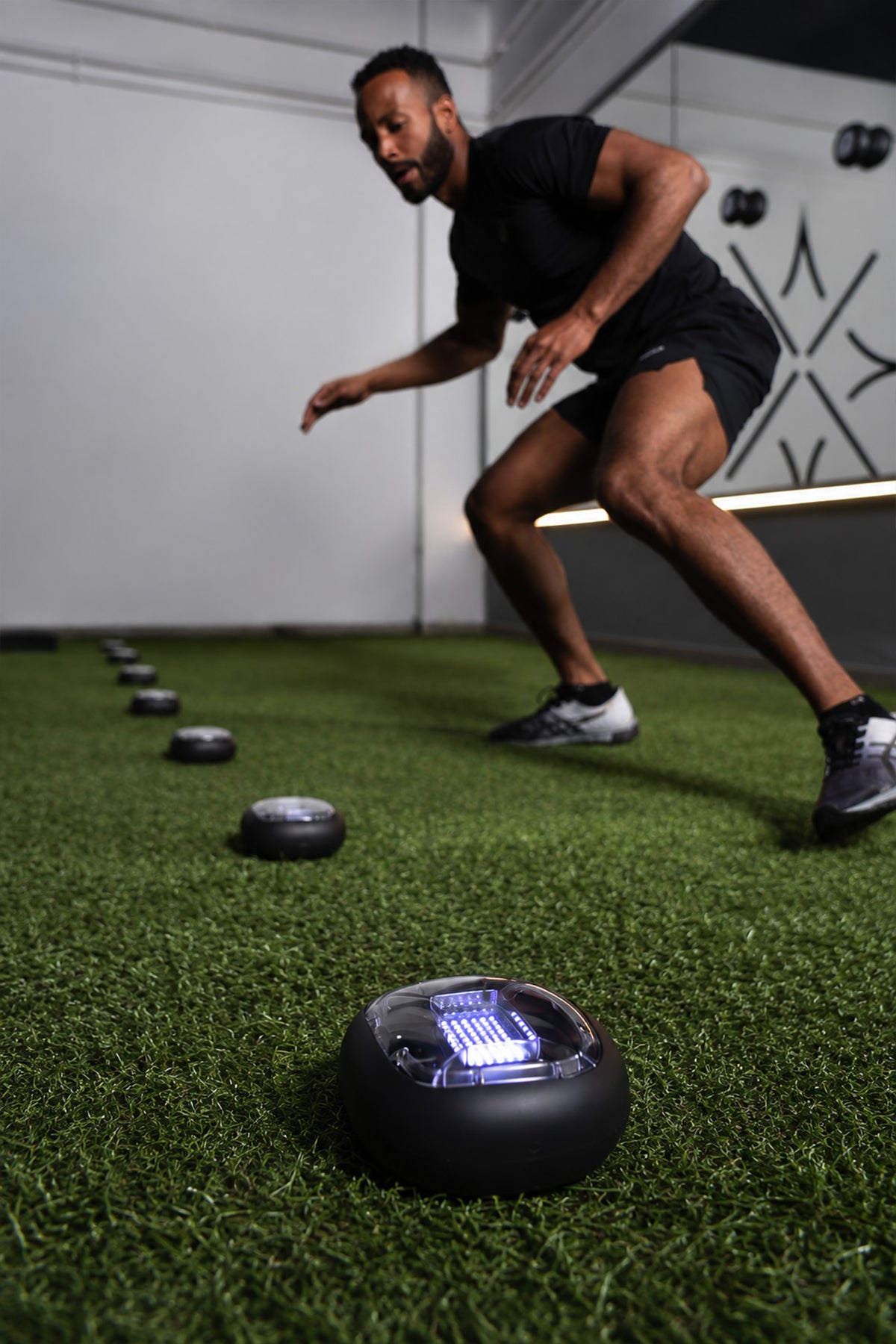
ROXProX Laser is the most advanced A-Champs system for Professional Cognitive-Motor Training. It combines visual, auditory, and tactile cueing with laser-beam sensing, LED matrix cognition, seamless movement, and advanced task design. Use lights, sound, vibration, symbols, numbers, letters, movement rules, and laser-based interaction to challenge perception, decision-making, movement, feedback, and progression without forcing tap-first responses.
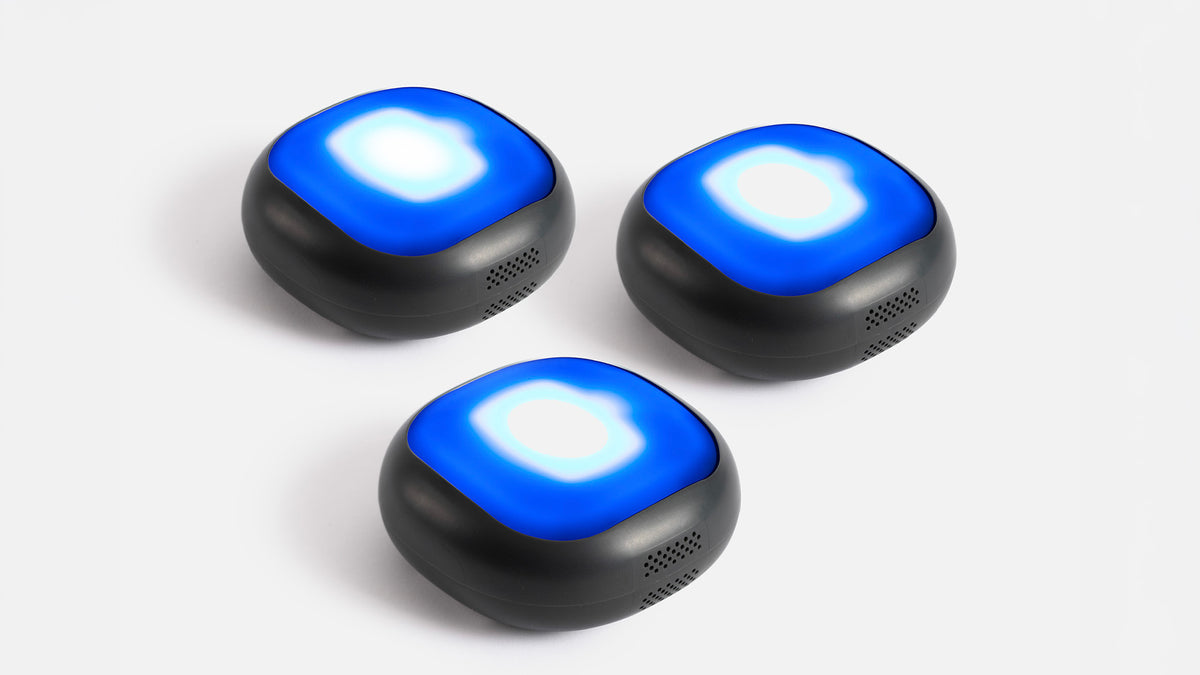
ROX Touch is the professional entry point into the A-Champs ecosystem. It supports accessible cognitive-motor tasks through visual, auditory, and tactile cueing, with 12 sensitivity levels that let you adjust the interaction to the user, the task, and the training environment.
Explore ROX Touch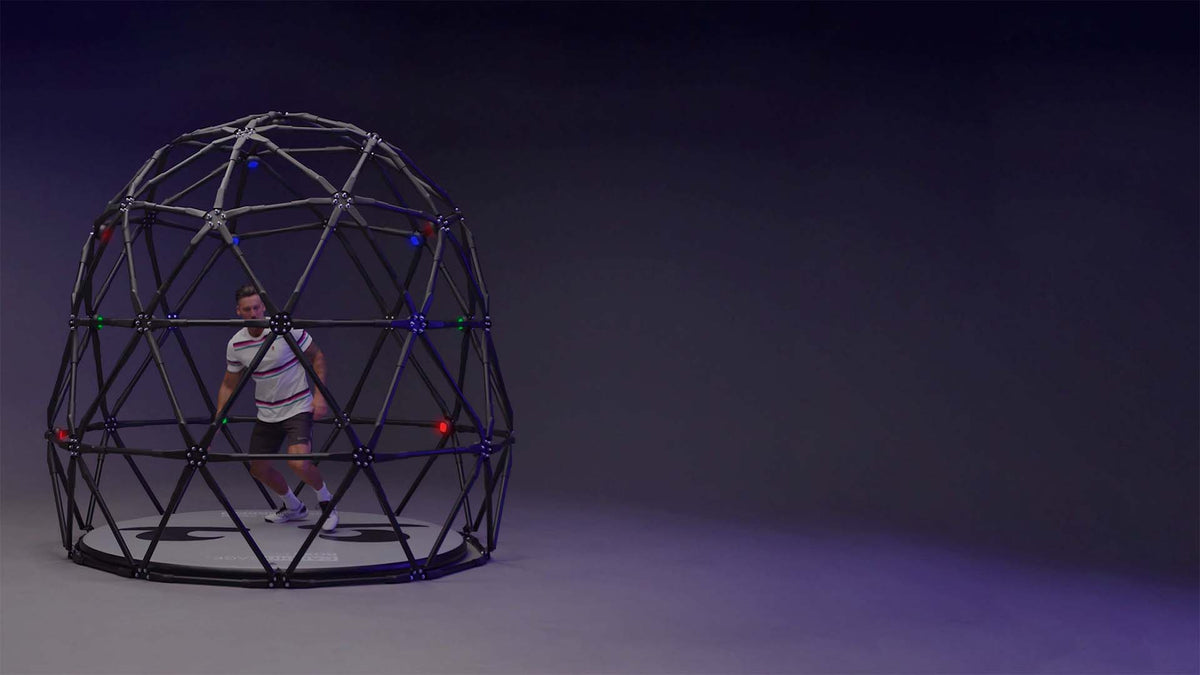
CogniCage extends the methodology into an immersive facility-level environment for whole-body, spatial, and multi-directional training.
Discover CogniCage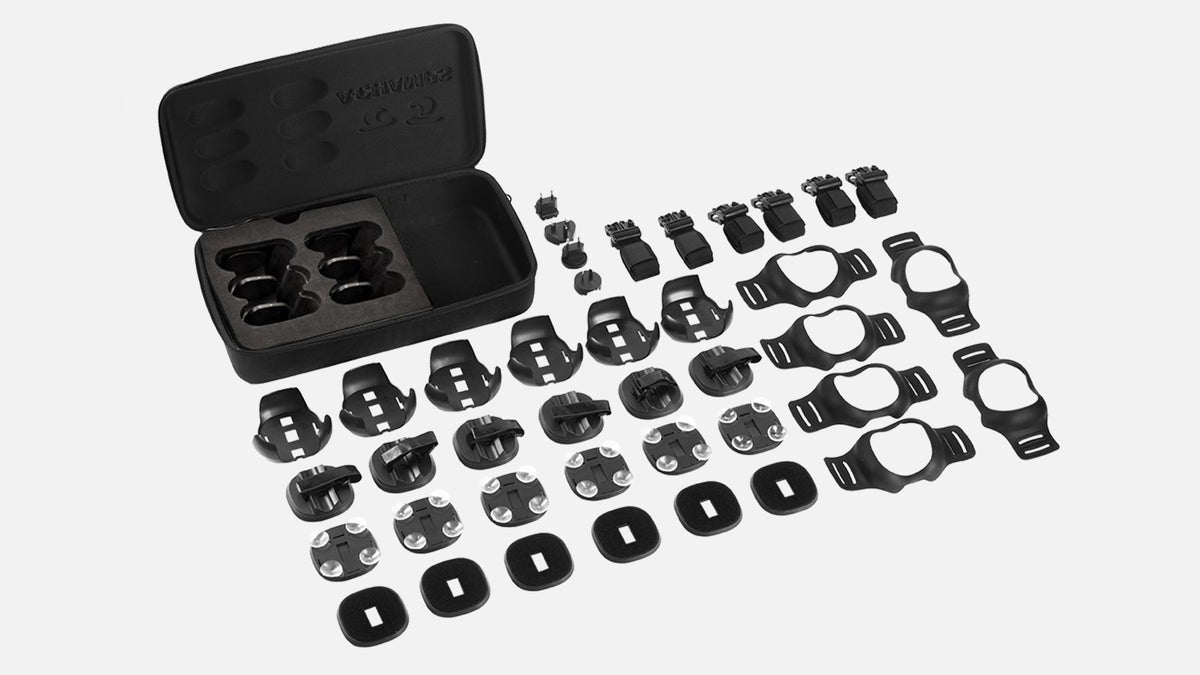
Accessories extend task design across sport-specific, functional, balance, and return-to-function applications.
Explore Accessories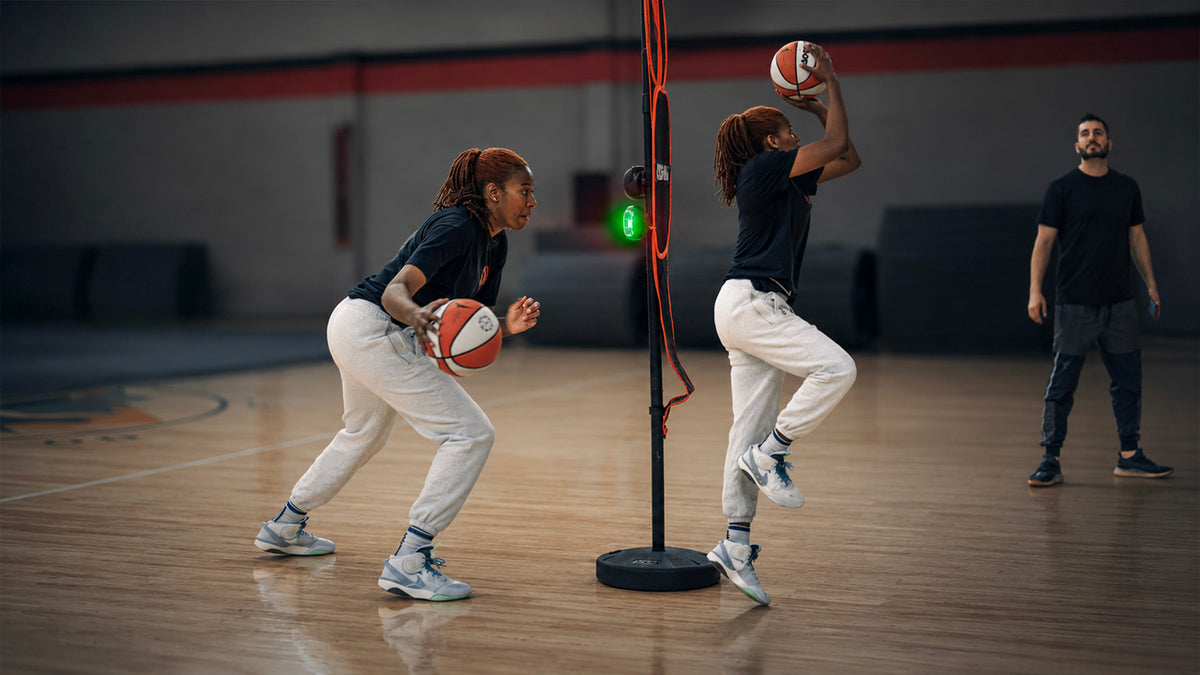
Create tasks that connect perception, decisions, and movement under speed, pressure, uncertainty, and sport-specific demands.
Explore Performance Training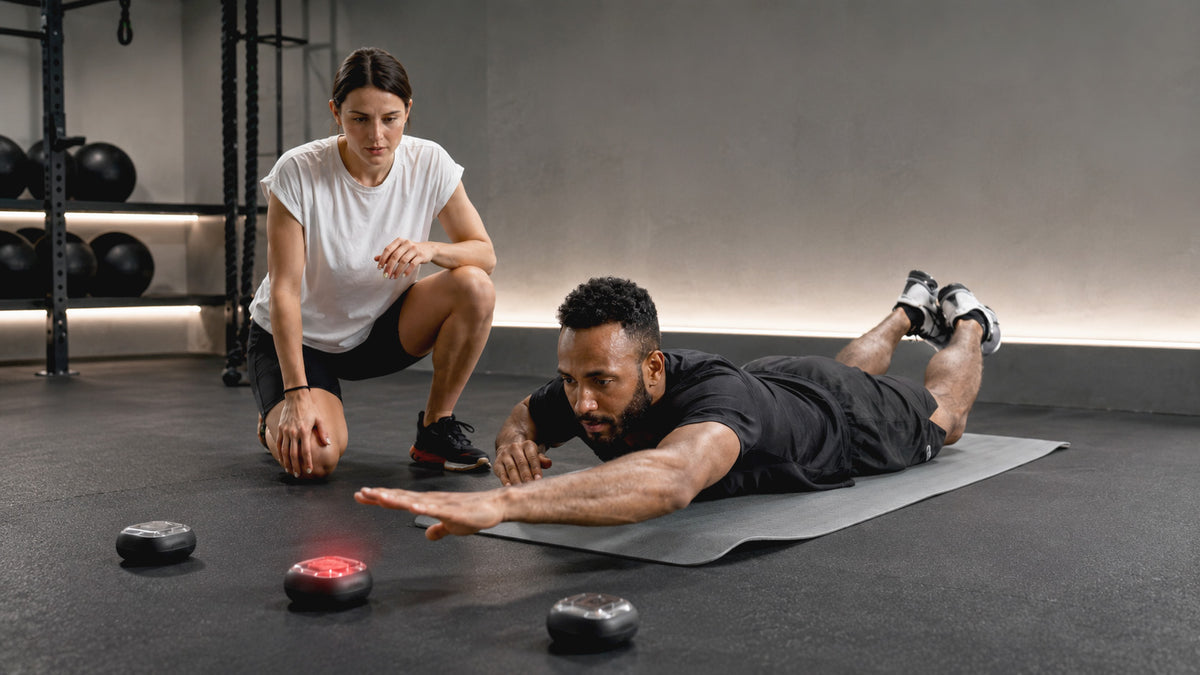
Create progressive cognitive-motor tasks involving attention, balance, body control, visual-cognitive response, and movement adaptability within your professional scope.
Explore Rehabilitation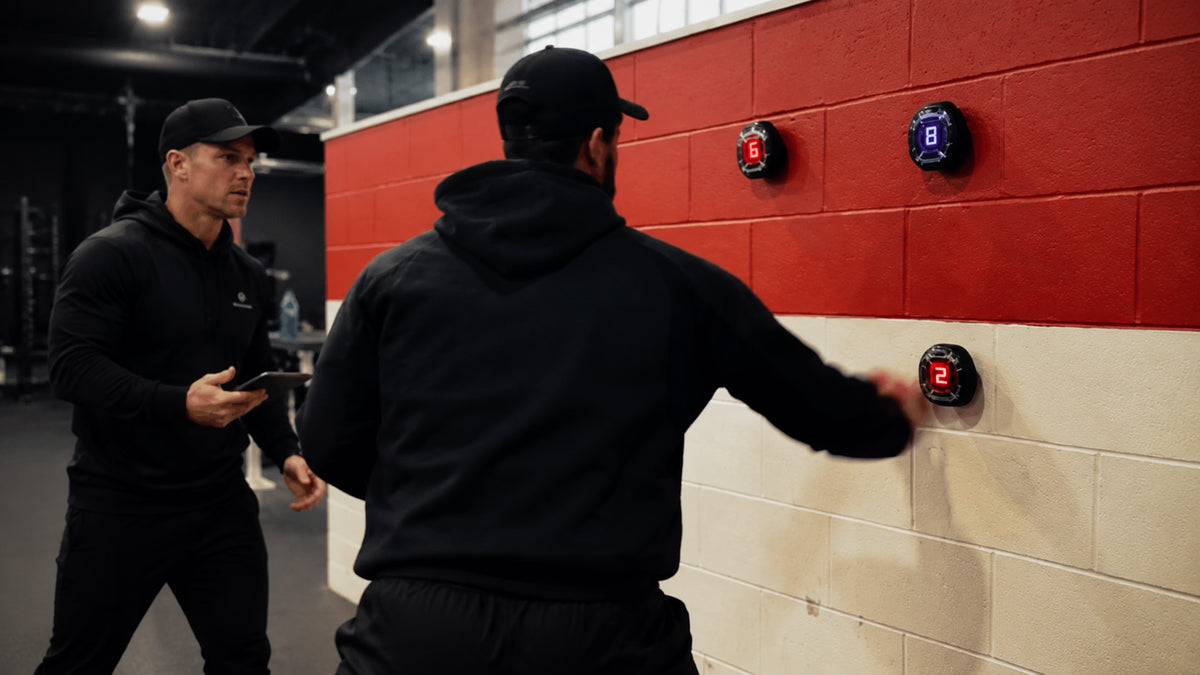
Bring sensory input, cognition, balance, coordination, timing, and movement control into dynamic professional training.
Explore Neuro-Athletic TrainingUse movement and decision-making to create engaging professional learning environments.
Reaction training is one component. Professional Cognitive-Motor Training also connects perception, decision-making, movement, cueing, feedback, and progression.
Yes. You can design tasks that integrate information, decisions, and movement under changing sport demands.
Qualified rehabilitation professionals can design structured tasks involving attention, balance, body control, movement, and progression within their professional scope.
No. The methodology can be scaled for high-performance sport, rehabilitation, education, youth development, and broader movement learning.
Visual, auditory, and tactile cues provide information that can shape perception, influence decisions, and guide movement. They are part of the task, not the outcome.
Technology supports the methodology. It gives you more control over task design, measurement, and progression while professional expertise remains central.
Reactive Intelligence is developed through thoughtful task design, progressive challenge, and professional expertise. Explore the methodology, see how the most advanced system supports decisions in motion, or discuss the right training environment for your organization.
Professional training. No mandatory subscription.