

Train your 7v7 squad to read the game faster with A-Champs soccer training equipment.
Whether you're a coach, player, or soccer enthusiast, understanding 7v7 soccer formations is key to success. This guide breaks down how to use the best soccer formations for 7v7, improve player roles, and train smarter with modern tools.
Understanding 7v7 Soccer Formations and Positions
In 7v7 soccer, the right setup keeps balance between offense and defense. Most teams use three defenders, two central midfielders, and two forwards. Each 7v7 soccer position has clear goals.
- Central defenders protect the goal and start build-up play.
- Midfielders connect defense and attack through the middle of the field.
- Wide players stretch the game and create scoring opportunities.
Common 7v7 formations include:
- 2-3-1: Great for attacking play and controlling midfield space.
- 3-2-1: Adds defensive strength with a holding defensive midfielder.
- 2-1-2-1: Compact, vertical, and perfect for quick transitions.
For a deeper look, check out Soccer Coaching Pro’s 7v7 guide.
How A-Champs Helps You Train Smarter
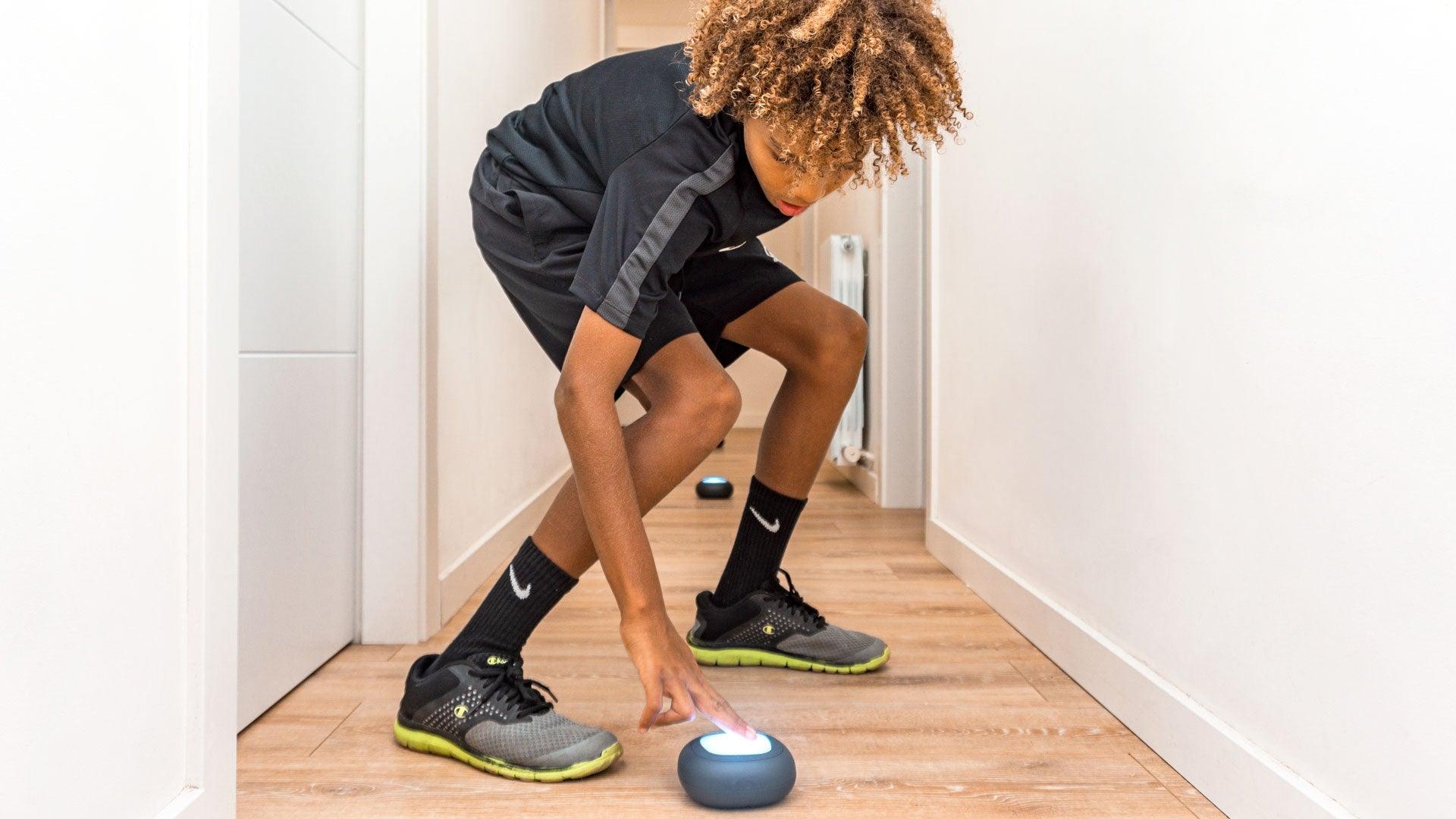
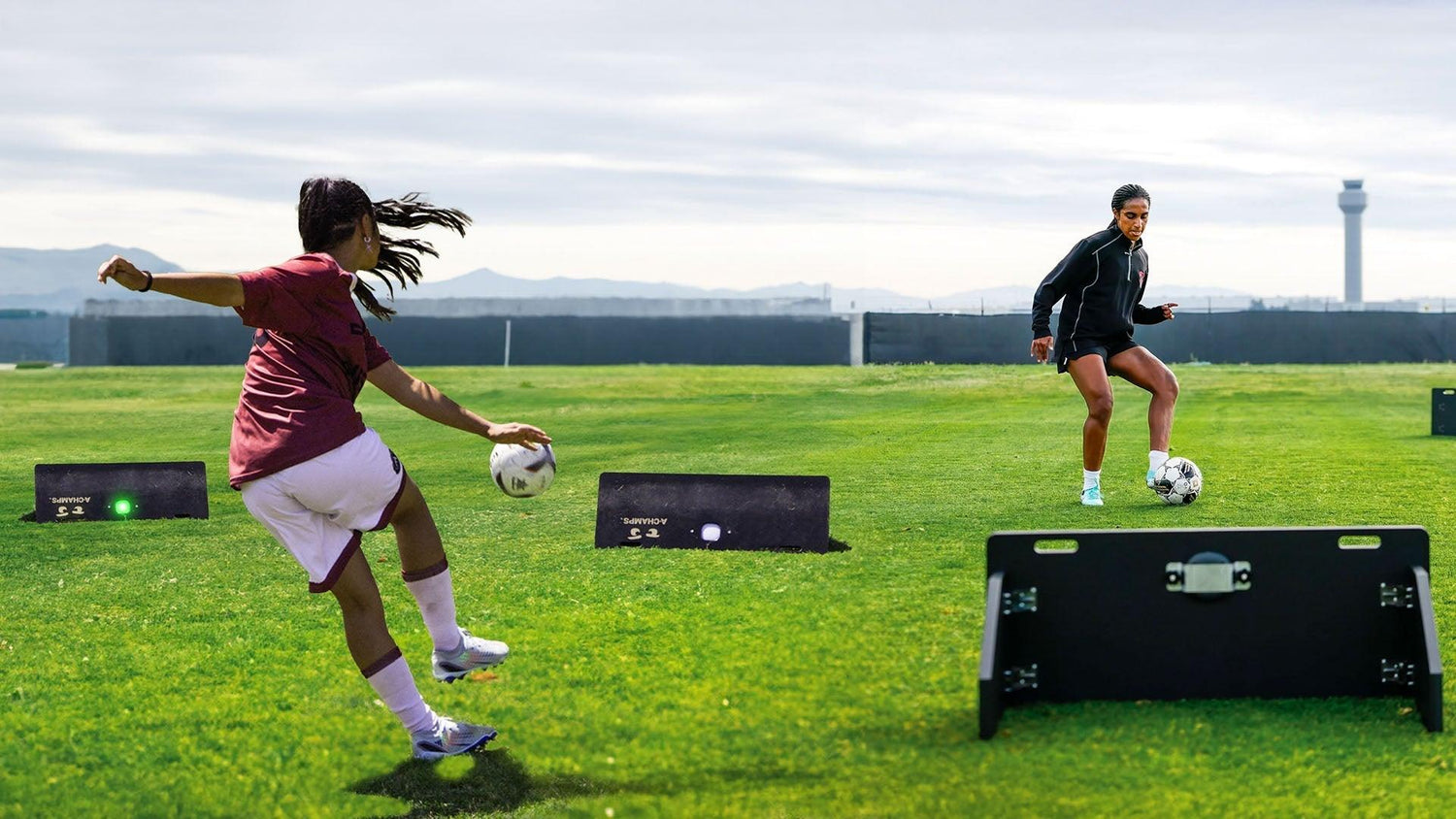
A-Champs’ innovative tools like the ROX and ROXPro help soccer teams train smarter. They improve reaction time, coordination, and quick thinking — all vital for 7v7 soccer formations.
- React Faster: The ROXPro App trains players to react quickly in tight spaces.
- Improve Transitions: ROXProX helps players switch faster between defense and attack.
- Custom Drills: Coaches can tailor drills to match each soccer formation 7v7 and style of play.
Training Transitions and Awareness
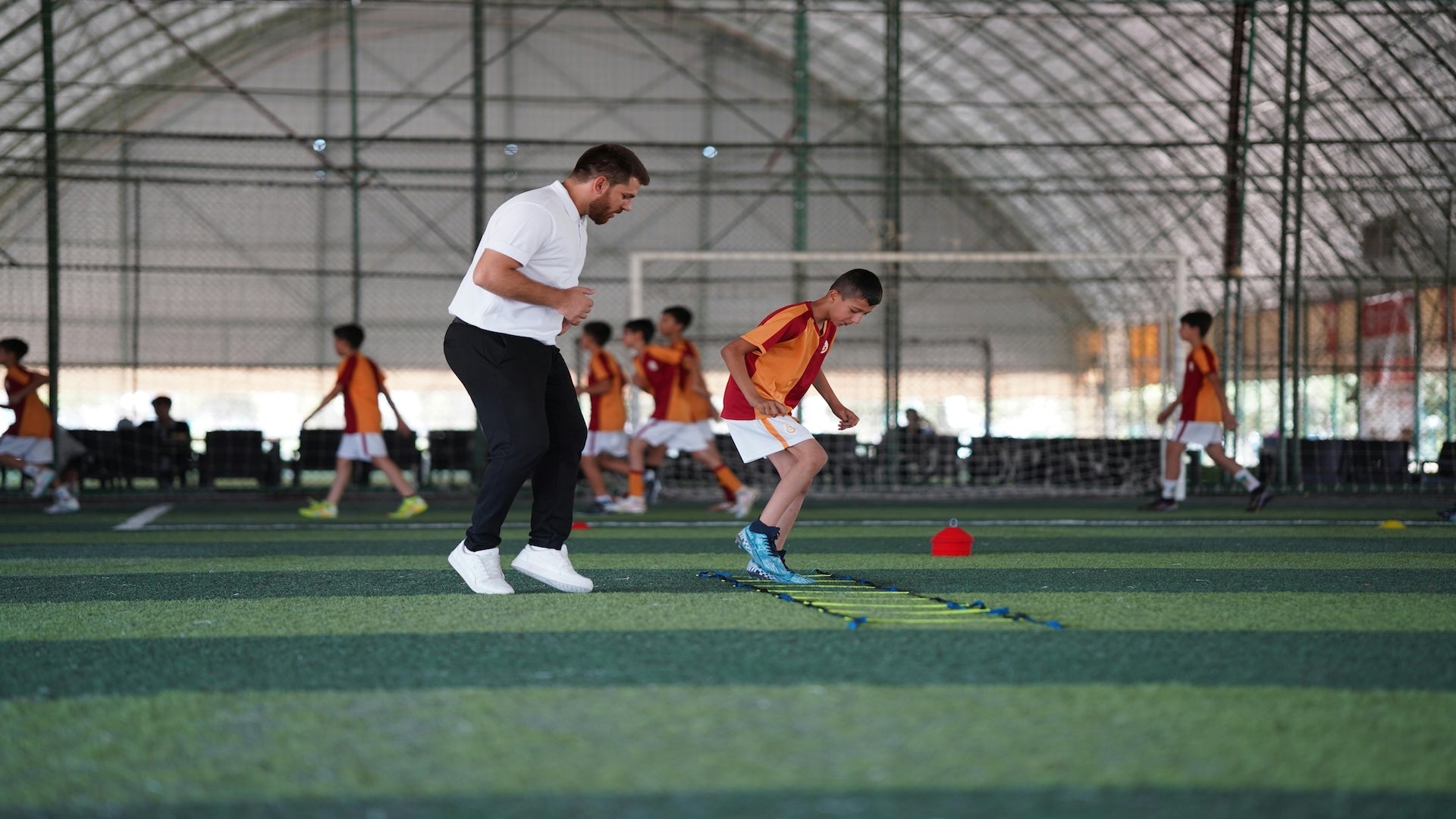
7v7 soccer moves fast. Players need to react, communicate, and change shape quickly. Using A-Champs soccer training equipment helps simulate real matches.
Learn how to improve reaction time and stay ready for every transition.
The Mental Side of 7v7 Formations
Formations affect more than movement — they shape mindset.
An attacking 2-1-2-1 boosts confidence and creativity. A defensive 3-2-1 builds patience and structure.
Coaches can use formation changes to lift morale and sharpen focus.
Key Player Roles in 7v7 Soccer
Every role matters. Here’s how individual players impact the game:
- Forwards: Press defenders and finish chances.
- Central midfielders: Control tempo and connect passes.
- Defenders: Communicate, organize, and block attacks.
Watch how top players move in 7v7 game examples.
Win the transition battle. The ROXProX reaction system trains the fast scanning and decision-making that make 7v7 shapes click.
Browse the full soccer training equipment range to drill every formation.
Training Drills by Formation
For a 2-3-1 formation, practice keeping the ball and moving it quickly.
For a 3-2-1 setup, focus on compact defense and counterattacks from midfield.
Explore more ideas at United Soccer Coaches – Small-Sided Games.
Fitness, Nutrition, and Conditioning
Strong formation play starts with strong bodies.
Players need stamina, agility, and proper fuel.
Conditioning plans should match your 7v7 soccer formation style — attacking teams need speed, defensive ones need endurance.
Team Chemistry and Communication
Team chemistry wins games. Players must talk, move, and trust one another.
Encourage communication between wide players and central defenders to stay organized during transitions.
Youth and Indoor 7v7 Soccer
Youth 7v7 soccer formations teach spacing, passing, and awareness.
In indoor soccer, space is smaller, so reactions must be quicker. Using ROX helps younger players develop fast decision-making and coordination.
Tournament and Competitive Prep
Before a 7v7 tournament, scout opponents and practice flexibility.
A good team can switch between 3-2-1 defense and 2-1-2-1 attack when needed.
Balancing offense and defense is what separates good teams from great ones.
Tactical Flexibility and Final Thoughts
Top 7v7 soccer teams adjust fast. Coaches who train players to adapt win more matches.
Use tools like ROXPro to improve reaction, communication, and awareness in real-time drills.
Mastering 7v7 soccer formations takes smart training and teamwork. Combine structured soccer tactics with reaction-based exercises and your team will perform better — and have more fun doing it.
Learn more innovative ways to train at A-Champs.
FAQs
What is the best formation for 7v7 soccer?
The 2-3-1 is the most popular 7v7 formation because it balances attack and midfield control. The 3-2-1 adds defensive solidity, while the 2-1-2-1 suits quick, vertical transitions. The best choice depends on your players' strengths and your style of play.
How many players are on a 7v7 soccer team?
A 7v7 match is played with seven players per team, typically a goalkeeper plus six outfield players arranged across defense, midfield and attack.
How can players improve at 7v7 soccer?
Players improve at 7v7 by training quick decision-making, transitions and spatial awareness. Reaction-light tools like the A-Champs ROX system sharpen reaction time and game intelligence in the tight spaces 7v7 demands.
📚 This guide is part of the Soccer Formation Hub. Explore all our related guides and drills in one place.