

¿Quieres convertir tu resultado de tiempo de reacción en una mejora real? El sistema de entrenamiento de reacción ROXProX convierte el test en un entrenamiento medible y gamificado que puedes seguir a lo largo del tiempo. Descubre ROXProX →
¿Con qué rapidez puedes reaccionar? Un test de tiempo de reacción mide la rapidez con la que respondes a una señal visual o auditiva. Es una forma sencilla pero potente de evaluar cómo trabajan juntos tu cerebro y tu cuerpo bajo presión. Tanto si eres deportista, jugador o simplemente sientes curiosidad, entender tu velocidad de reacción puede revelar mucho sobre tu rendimiento cognitivo.
En este artículo te explicamos qué es un test de tiempo de reacción, por qué importa, cómo hacer uno y las mejores formas de mejorar tu tiempo de reacción usando la tecnología de A-Champs.
¿Qué es un test de tiempo de reacción?
Un test de tiempo de reacción mide el tiempo entre un estímulo (como una luz o un sonido) y tu respuesta (como pulsar un botón). Es una de las formas más sencillas de evaluar la velocidad de procesamiento del cerebro y la coordinación motora.
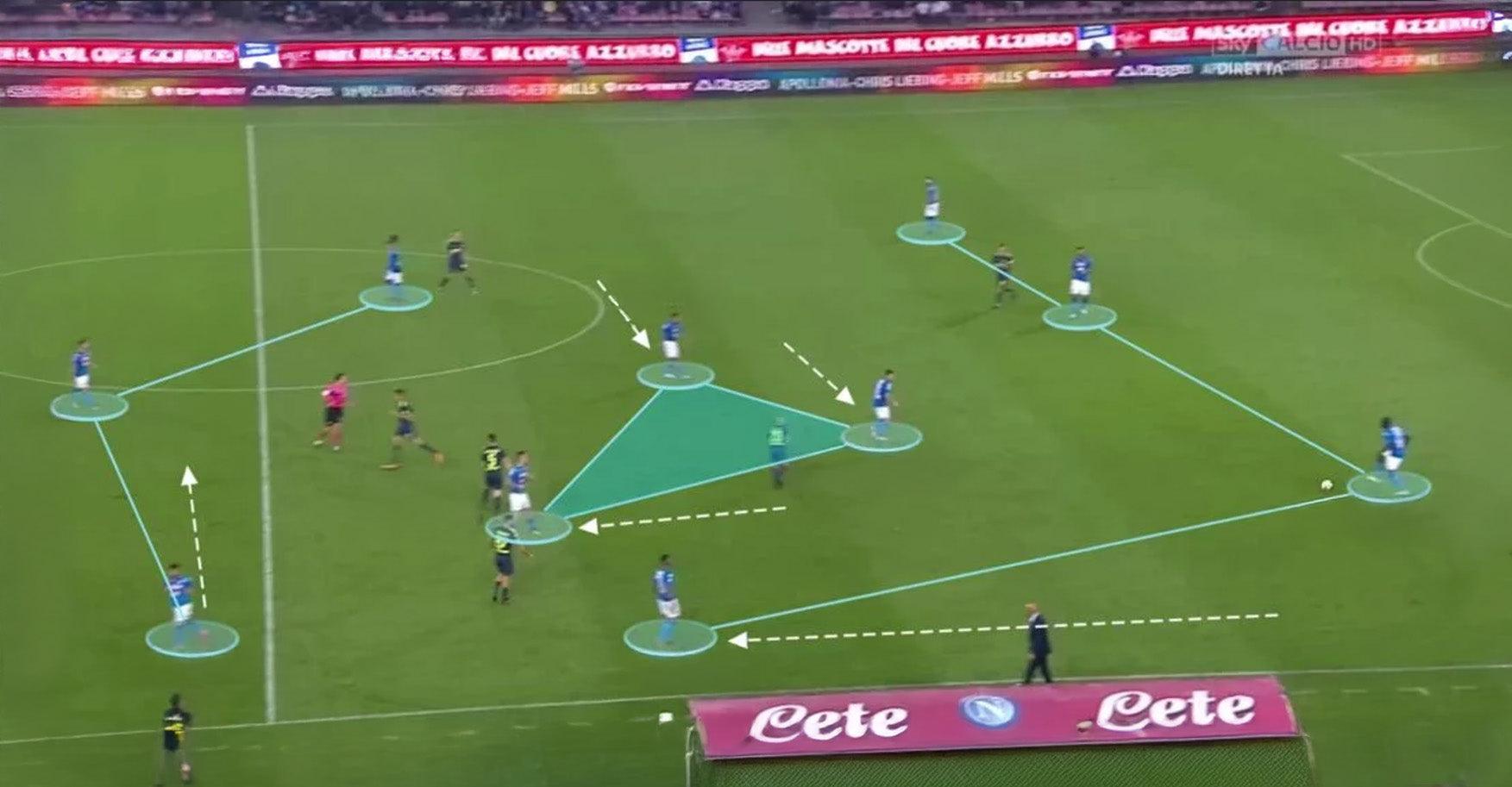
En el deporte, el tiempo de reacción determina con qué rapidez puede responder un atleta a situaciones impredecibles, como un portero que se lanza ante un disparo o un tenista que devuelve un saque. Las reacciones más rápidas suelen separar a los buenos de los de élite.
Prueba un test básico gratis en Human Benchmark o CPSTest para ver cómo se compara tu resultado con la media.

Resultados medios del tiempo de reacción
La mayoría de las personas reaccionan en unos 250 milisegundos (ms) ante una señal visual. Sin embargo, los deportistas profesionales suelen registrar tiempos más cercanos a 150-180 ms gracias a un entrenamiento de alto nivel y a ejercicios de reflejos. Según investigaciones de la base de datos de psicología de ScienceDirect, los tiempos de reacción están influidos por múltiples factores, como la fatiga, la atención y el tipo de entrenamiento.
- Excelente: menos de 200 ms
- Bueno: 200-250 ms
- Medio: 250-300 ms
- Lento: más de 300 ms
Para entender en detalle qué afecta al tiempo de reacción, factores como la edad, la calidad del sueño y los métodos de entrenamiento desempeñan un papel importante.
Por qué importa el tiempo de reacción en el deporte
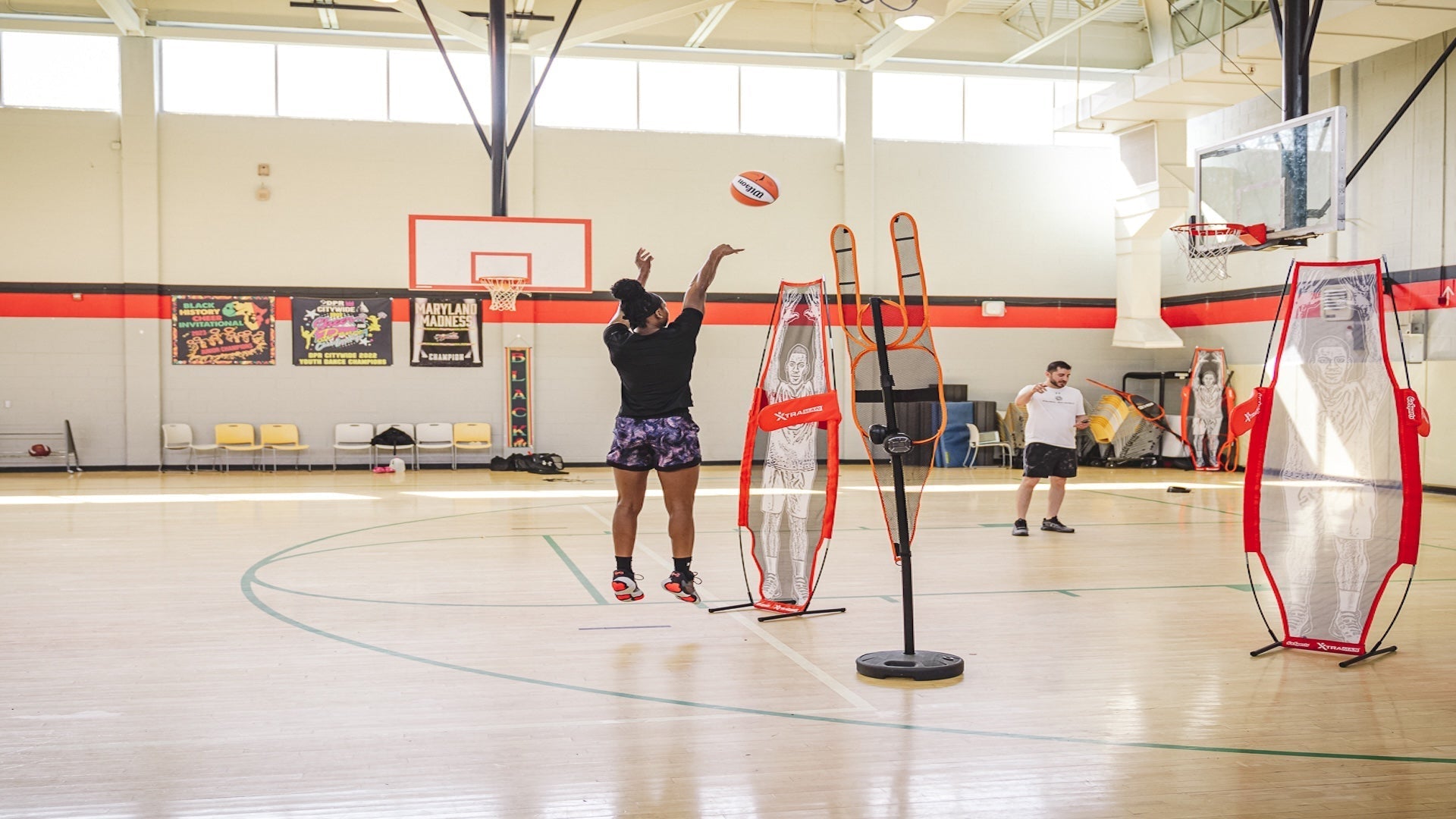
En el deporte de competición, los milisegundos pueden cambiar el resultado. La capacidad de percibir, decidir y actuar con rapidez da a los jugadores una ventaja medible. El entrenamiento del tiempo de reacción mejora la percepción, la toma de decisiones y el control corporal bajo presión.
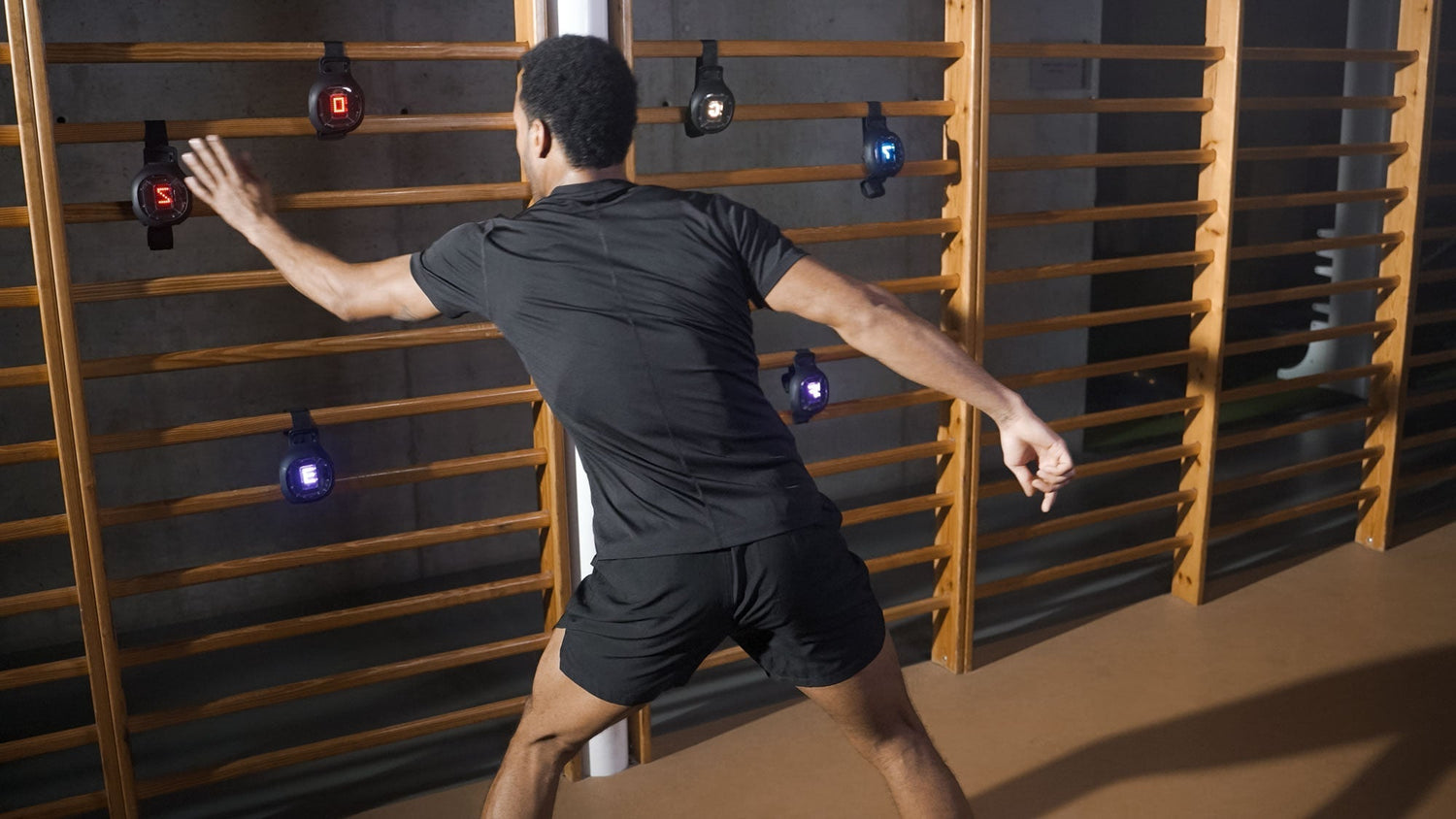
Sistemas como el ROX y el ROXPro de A-Champs hacen interactivo este entrenamiento. Sus configuraciones basadas en sensores simulan escenarios tipo partido en los que los jugadores reaccionan a luces, sonidos o señales de movimiento, mejorando tanto la velocidad como la precisión.
Del resultado a las mejoras reales. El ROXProX convierte un test de reacción puntual en un entrenamiento medible y gamificado con señales multidireccionales de luz y sonido.
Explora toda la gama de entrenamiento de A-Champs para construir reacciones más rápidas.
Cómo hacer un test de tiempo de reacción
Puedes hacer un test de tiempo de reacción en línea o con herramientas físicas. Los tests en línea pueden dar una medida básica de la velocidad de respuesta visual. Pero para conseguir un referente deportivo más realista, usa señales físicas que requieran movimiento, como sistemas de reacción basados en luz o multidireccionales.
- Busca un espacio tranquilo.
- Usa un disparador visual o auditivo.
- Toca, muévete o reacciona lo más rápido posible.
- Repite de 5 a 10 veces para mayor precisión.
Dispositivos como el ROXProX pueden registrar datos de reacción precisos mientras implican varios sentidos, dándote una imagen mucho más precisa que un test de clic estándar.

¿Qué afecta al tiempo de reacción?
La velocidad de reacción depende de factores físicos y mentales. Entre ellos:
- Atención: las distracciones ralentizan la velocidad de reacción.
- Sueño: la fatiga aumenta el retraso.
- Entrenamiento: los ejercicios regulares reducen la duda.
- Edad: el tiempo de reacción se ralentiza de forma natural con la edad.
- Estrés: una presión moderada ayuda; demasiada perjudica el rendimiento.
Puedes leer más sobre estos factores en la guía de A-Champs sobre qué afecta al tiempo de reacción.
Cómo mejorar tu tiempo de reacción
Mejorar el tiempo de reacción no consiste solo en ser más rápido, sino en ser más eficiente. Los ejercicios cognitivo-motores regulares, los ejercicios específicos del deporte y el entrenamiento basado en luz pueden hacer que tus respuestas sean más agudas.
- Usa la app ROXPro para seguir tu progreso y crear hábitos de reflejos constantes.
- Prueba ejercicios de tiempo de reacción como toques de luz o ejercicios de emparejamiento de colores.
- Incorpora material de entrenamiento de fútbol para una práctica de reflejos tipo partido.
- Lee la guía completa sobre cómo mejorar el tiempo de reacción con métodos científicos.
Por ejemplo, los deportistas de élite usan unidades ROX en ejercicios que mezclan señales visuales y auditivas, obligando a los jugadores a reaccionar rápido desde distintos ángulos. Este tipo de entrenamiento multidimensional construye la velocidad y la percepción necesarias para rendir bajo presión.
Tiempo de reacción y salud cognitiva
El test del tiempo de reacción no es solo para deportistas, también es valioso en los estudios de salud cognitiva. La investigación de los Institutos Nacionales de Salud (NIH) muestra que seguir los cambios en el tiempo de reacción puede indicar signos tempranos de fatiga, trastornos de atención o deterioro neurológico. Ejercicios sencillos con herramientas que responden a estímulos pueden ayudar a mantener la coordinación a medida que envejecemos.
Empieza a testar y entrenar hoy mismo
Un test de tiempo de reacción ofrece una visión instantánea de tu agudeza mental y física. Tanto si buscas reflejos más rápidos en el deporte como mejorar la concentración en tu día a día, la práctica constante marca la diferencia.
Explora las últimas herramientas y enfoques científicos en A-Champs y toma el control de tu entrenamiento hoy mismo.
Más información:
- Cómo mejorar el tiempo de reacción en el deporte
- Los 5 mejores ejercicios para el tiempo de reacción
- Qué afecta al tiempo de reacción
- Mejor material de entrenamiento de fútbol
Preguntas frecuentes sobre el test de tiempo de reacción
¿Qué es un buen tiempo de reacción?
Un tiempo de reacción visual típico ronda los 200-250 milisegundos. Cualquier valor por debajo de 200 ms se considera rápido, y los deportistas y jugadores entrenados suelen alcanzar 150-200 ms con la práctica.
¿Cuál es el tiempo de reacción humano medio?
El tiempo de reacción humano medio es de unos 250 ms para un estímulo visual, 170 ms para el sonido y 150 ms para el tacto.
¿Se puede mejorar el tiempo de reacción?
Sí. El tiempo de reacción mejora con un entrenamiento constante, como ejercicios con luces de reacción, trabajo de anticipación específico del deporte, un buen sueño y la reducción de distracciones. Consulta nuestros 5 mejores ejercicios para el tiempo de reacción y nuestra guía completa para mejorar el tiempo de reacción.